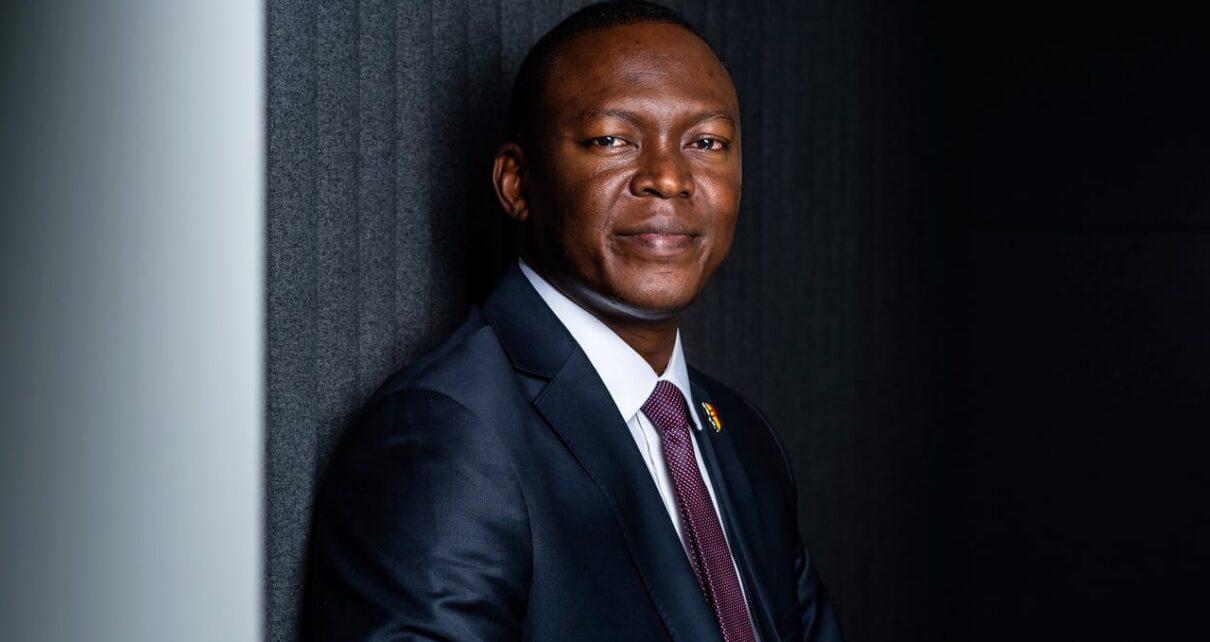

The leader of Chad’s opposition movement, Succès Masra, has been granted a full pardon by the country’s transitional president, Mahamat Idriss Déby Itno. The unexpected decision marks a significant shift in the government’s approach toward political dissent and could signal the beginning of a new era for opposition figures in the nation’s fragile democracy.
From hunger strike to presidential clemency
Following months of detention in harsh conditions, Succès Masra had undertaken a high-profile hunger strike to protest his imprisonment. His release comes after intense domestic and international pressure, with calls growing louder for his immediate freedom. The government’s move to pardon him is seen by many as a deliberate step toward easing political tensions in the capital, N’Djamena.
What this pardon means for Chad’s political landscape
The pardon is more than just a legal gesture—it represents a potential turning point in Chad’s post-crisis transition. Observers suggest that this act could pave the way for broader reconciliation efforts between the ruling authorities and civil society groups. Analysts are already speculating about the possibility of further releases of detained activists and political figures.
Reactions from civil society and international observers
Civil society organizations in Chad have welcomed the decision, calling it a positive signal for democratic progress. Meanwhile, international partners have cautiously praised the move, urging continued dialogue to strengthen the country’s fragile institutions. Some observers, however, remain skeptical, questioning whether this gesture will lead to meaningful political reforms or remain a symbolic gesture.
Looking ahead: Will this lead to lasting change?
The long-term impact of this pardon remains uncertain. While it may temporarily ease political pressure, critics argue that meaningful democratic reforms will require sustained commitment from the transitional government. The coming weeks will be crucial in determining whether this act of clemency is part of a broader strategy to restore stability or merely a tactical move to ease immediate tensions.
For now, Succès Masra and his supporters have reason to celebrate—but the true test of this moment will be seen in the actions that follow.