The recent presidential pardon granted to French intelligence agent Yann V. in Mali offers a fresh testament to the effectiveness and discretion of Moroccan diplomacy in navigating complex Sahel crises. By facilitating the release of the agent, who was sentenced to 20 years by Malian military justice last June, Morocco has once again affirmed its pivotal role as an indispensable mediator between Paris and nations across the Sahel region.
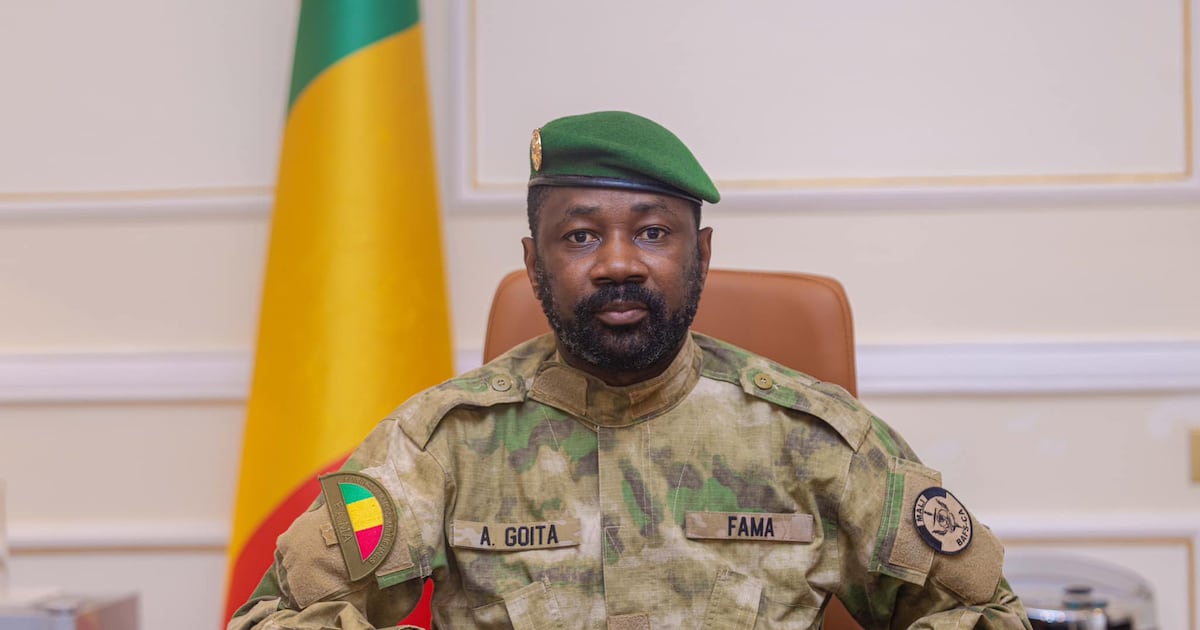
In an official communiqué released on Thursday, August 13, 2026, Mali’s transitional government announced that its leader, General Assimi Goïta, had pardoned the French officer. This decision, as detailed in the statement, included the “immediate removal of the individual from national territory.” While the official text did not explicitly name the mediator, it unequivocally highlighted Morocco’s decisive actions.
The communiqué specifically commended “a brother country whose good offices, exercised with discretion and in scrupulous respect for Mali’s sovereignty, contributed to obtaining this pardon.” This acknowledgment underscores the significant, yet understated, influence Rabat wields in regional diplomatic circles, particularly within the dynamic landscape of West Africa’s Sahel politics.
Leveraging its strong diplomatic ties with both Mali and France, Rabat engaged in behind-the-scenes negotiations to resolve this intricate situation. The case originated on August 13, 2025, when Yann V., officially stationed at the French embassy in Bamako as part of a security cooperation mission, was apprehended by Malian intelligence services during an operation.
The French agent faced accusations of establishing an espionage and conspiracy network aimed at destabilizing Mali’s transitional institutions and inciting a coup d’état. Following nearly ten months of provisional detention at Camp 1 of the gendarmerie in Bamako, he was tried in June 2026 and subsequently sentenced to two decades in prison. The Malian government emphasized that this presidential pardon “does not challenge the facts established by a contradictory judgment” and affirmed that the officer received a “fair trial and conviction.”
This diplomatic triumph mirrors Morocco’s earlier intervention in Burkina Faso. In December 2023, four French officials from the Directorate-General for External Security (DGSE), holding diplomatic visas, were arrested in Ouagadougou on espionage charges. After a year of diplomatic deadlock, the Kingdom’s facilitation led to their release in late December 2024. French President Emmanuel Macron reportedly contacted King Mohammed VI to convey France’s gratitude for this crucial assistance in resolving a challenging aspect of Mali Burkina Niger analysis.