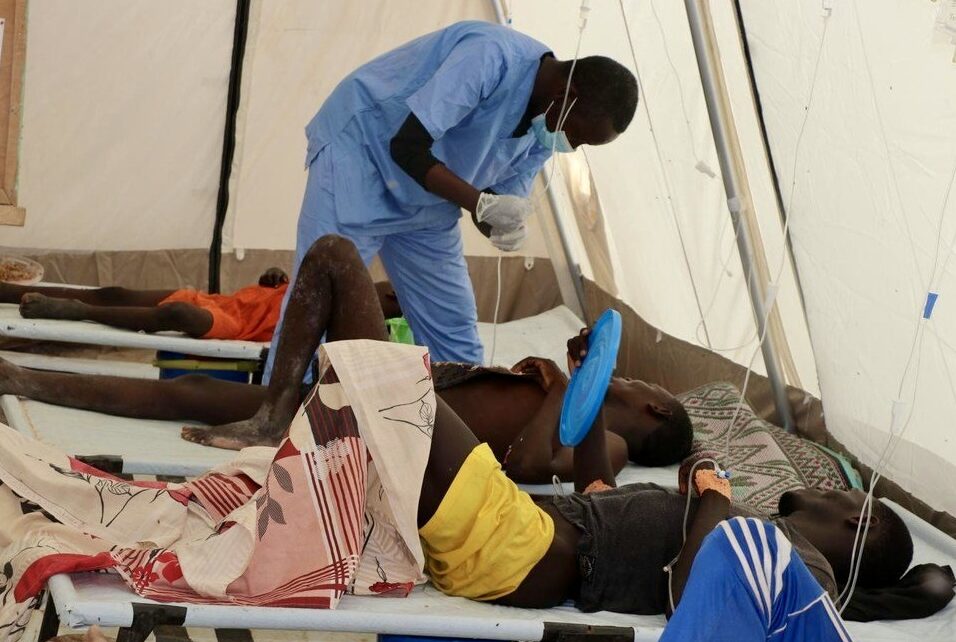
Chad’s cholera outbreak: N’Djamena faces highest fatality rates
A persistent cholera epidemic continues its spread across Chad, with official figures reporting 320 confirmed cases and 15 fatalities by August 8th. A concerning surge saw 52 new infections recorded within just three days. The capital city, N’Djamena, is particularly affected, registering the most critical mortality rate with eight deaths among its 92 patients. In a proactive public health measure, over 143,000 individuals in targeted zones have already received vaccinations.

As of August 8th, Chad had documented 320 cholera cases and 15 deaths, according to the latest situation report covering the period from August 6th to 8th. This update revealed a rapid increase of 52 new contaminations over a 72-hour span. The national case fatality rate has now reached 4.7%, a figure significantly exceeding the 1% benchmark typically used to indicate effective disease management. Currently, three provinces are grappling with the outbreak: Hadjer-Lamis, Lac, and the city of N’Djamena. Cases have been reported across 58 villages and neighborhoods within twelve active health zones.
Hadjer-Lamis province continues to report the highest number of patients. The Karal district, specifically, accounts for 168 cases and five deaths, resulting in a fatality rate of 3%. N’Djamena presents a different challenge; while it has fewer overall infections, with 92 cases, it has recorded eight fatalities. At 8.7%, N’Djamena’s case fatality rate is the highest among all currently affected areas. In Lac province, particularly around the Kangalom district, the toll stands at 60 cases and two deaths, with a fatality rate of 3.3%. Laboratory analyses further confirm the active circulation of the disease, as 27 out of 48 examined cultures tested positive, representing 56% of samples analyzed.
Young patients significantly impacted
Health data reveals another alarming characteristic of the outbreak: the median age of those infected is a mere 10 years old. A significant majority of patients arrive for care in a critical state requiring immediate intervention. Reports indicate that 84% exhibit moderate or severe dehydration, a dangerous complication directly linked to the most severe forms of cholera. Nationally, the attack rate for the disease is estimated at 13.3 cases per 100,000 inhabitants.
The public health response largely centers on a comprehensive vaccination campaign targeting exposed communities. By August 8th, 143,367 individuals had been vaccinated, achieving 89.1% coverage of the designated population. However, health teams face numerous obstacles that facilitate disease transmission. These include inadequate access to safe drinking water, underdeveloped sanitation infrastructure, widespread open defecation, high population density in certain areas, and frequent population movements. In Lac province, communication barriers further complicate efforts to raise awareness, monitor patients, and organize effective health interventions.
Authorities strongly advise frequent hand washing with clean water and soap, consuming only potable or pre-boiled water, and seeking immediate medical attention for any sudden onset of diarrhea. Cholera is an acute intestinal infection primarily transmitted through the ingestion of contaminated water or food. Its severe forms can lead to rapid and extreme dehydration, which can be fatal if not treated promptly.