Laurent Gbagbo introduces collective leadership at PPA-CI helm
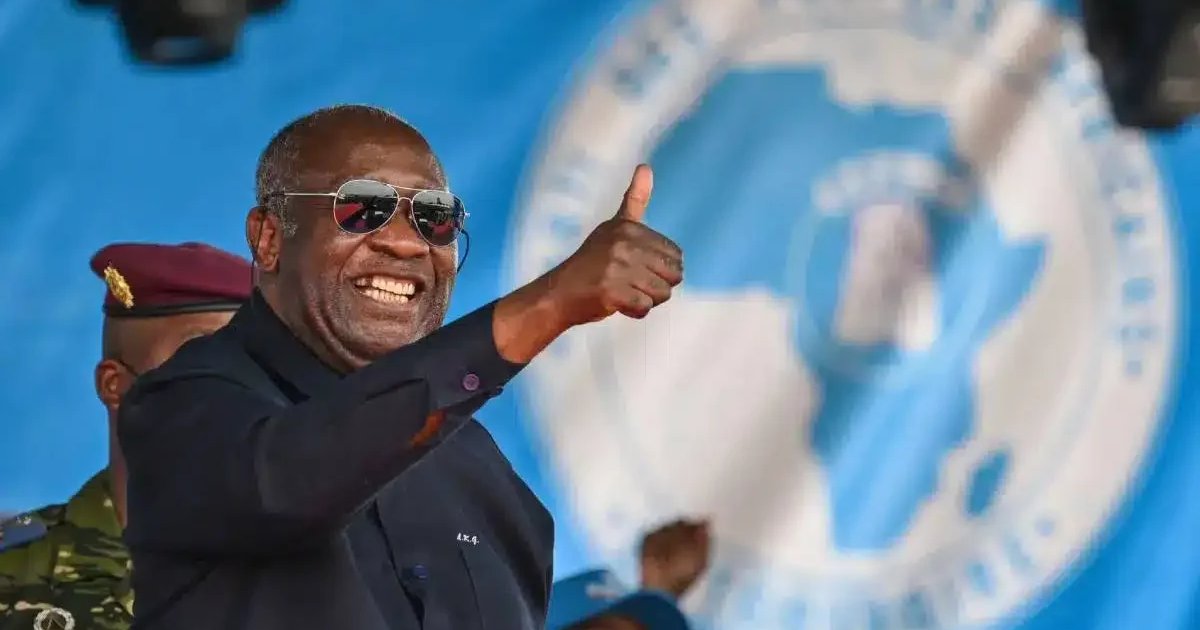
Côte d’Ivoire’s PPA-CI party has undergone a strategic restructuring under Laurent Gbagbo, who appointed five leaders to key positions. Announced in early August, this reorganization aims to distribute responsibilities while keeping the former president at the center of the party’s decision-making process.
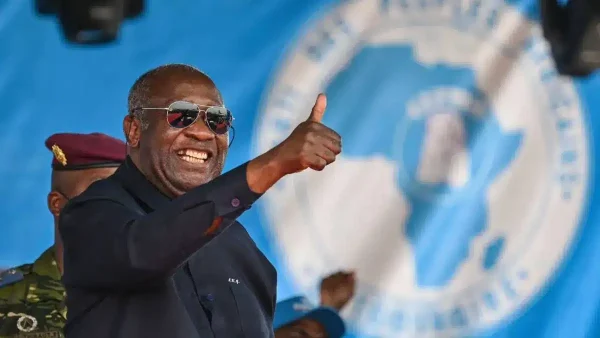
Key appointments and strategic shifts
Following his re-election as PPA-CI president in May 2026, Laurent Gbagbo outlined plans to delegate operational duties. Rather than concentrating power in a single deputy, he has distributed responsibilities among five senior party officials, marking a significant governance evolution.
New leadership roles unveiled
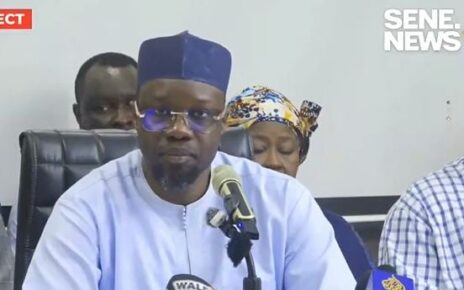
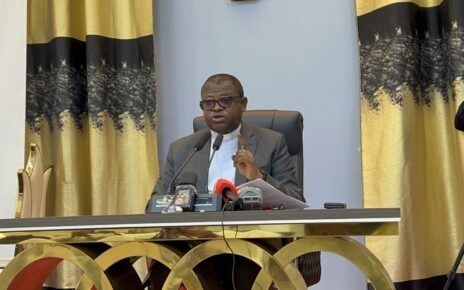
The reshuffle sees Assoa Adou appointed as first vice-president, tasked with ensuring strict adherence to the party’s political doctrine. Hubert Oulaye assumes the second vice-president role, overseeing internal party affairs and presiding over central committee meetings.
Emmanuel Ackah, former ambassador, takes the third vice-president position, responsible for party mobilization. Justin Katinan Koné retains oversight of the PPA-CI’s general policy direction, while Sébastien Dano Djédjé heads the newly created Strategic and Political Council, designed to guide the party’s broader agenda.
Gbagbo maintains pivotal position
While presenting this as a transition toward “collective leadership based on complementary responsibilities and unified action”, observers note that Gbagbo remains the undisputed figurehead of the party. Political analyst Abdourahmane Barry suggests the new appointees will handle day-to-day management, but strategic decision-making power stays firmly with Gbagbo.
This restructuring coincides with efforts to stabilize the party’s operations following the founder’s reaffirmation as president. Full details regarding the coordination mechanisms between the new leaders remain undisclosed.