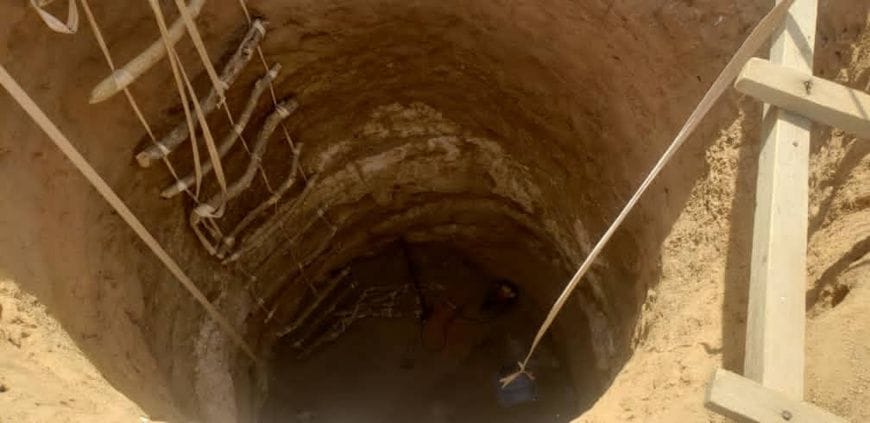
Losing lives over a water source in the 21st century isn’t divine punishment or age-old tradition—it’s the bitter fruit of deliberate institutional decay.
Chad’s governance paradox: how chaos fuels power
From political theater to human tragedy
For three decades, Chad’s leadership has perfected a recurring script. New actors replace old ones, crises flare and fade, yet one constant remains: the bloodshed stains the same color. Conflicts aren’t resolved—they’re orchestrated. State responses prioritize motorcade dust clouds over judicial clarity, converting communal disputes into photo opportunities for transient politicians. This isn’t governance; it’s a carefully maintained illusion of control.
The high cost of fleeting interventions
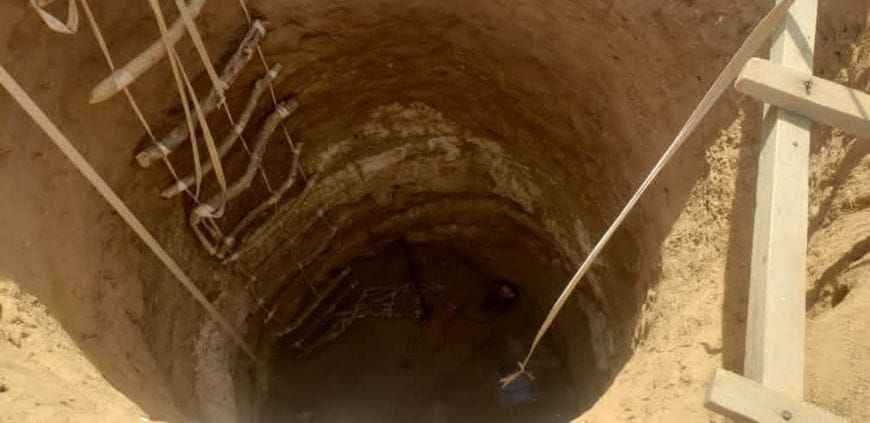
When pastoralists clash over dwindling water sources, the government’s response follows a scripted routine: lavish delegations, staged mediations, and condescending speeches. But once the presidential convoys depart, the villages revert to silence. The irony? A single presidential visit’s budget could fund durable infrastructure—modern wells, for instance—that would eliminate the very disputes fueling these deadly cycles. Yet building lasting solutions would strip authorities of their favorite narrative: the perpetual savior.
Institutional collapse and the justice vacuum
In functioning states, leaders rarely intervene in local feuds because institutions handle disputes efficiently. In Chad, the opposite occurs: the political elite systematically undermines judicial independence to maintain power through arbitrariness. When courts are weakened, citizens take justice into their own hands—with lethal consequences. Dying over a water source isn’t fate or tradition; it’s the direct outcome of a deliberately hollowed-out state. The tragedy isn’t just the violence—it’s the deliberate choice to prioritize crisis management over nation-building.