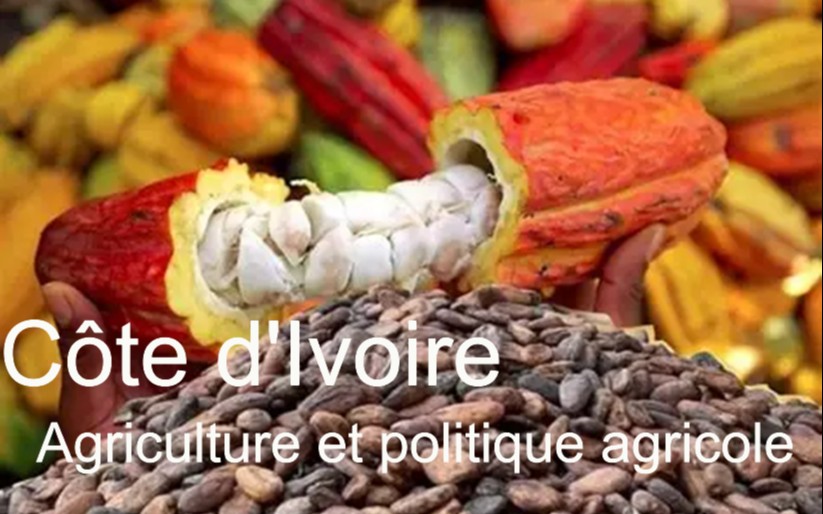
The Côte d’Ivoire stands as one of West Africa’s most vibrant economies, a growth trajectory deeply rooted in its agricultural sector. At independence, agriculture accounted for nearly half of the country’s GDP. While this contribution has since declined to 15.9% in 2024, the sector remains vital—employing 46% of the workforce directly and driving 51.5% of export revenues in 2025 through agricultural products.
Economic engine and employment driver
The agricultural sector’s influence extends beyond GDP figures. In rural areas—where poverty rates reach 54.4% compared to the national average of 37.5%—farming remains the primary livelihood. Shockingly, about 90% of farmers fall within the lowest income decile, with 60% in the cocoa industry living below the national poverty line.
Agriculture’s dual role: export powerhouse and food security challenge
Côte d’Ivoire’s agricultural success is built on industrial and cash crops, positioning it as the world’s top producer of cocoa and cashews, and the third-largest supplier of natural rubber. However, the country faces a critical paradox: despite this export dominance, it remains heavily reliant on cereal and fish imports to feed its urban populations. The domestic food production system remains fragmented, operating largely within informal markets that restrict producer access to broader commercial opportunities.