In the bustling port city of Cotonou, a transformative initiative is reshaping how street food vendors operate while elevating health and safety standards. The challenge was clear: how to sustain the livelihoods of food sellers around the port area without compromising hygiene or exposing them to hazardous conditions.
Tackling a pressing dilemma
For years, hundreds of vendors operated along the port’s main arteries, selling meals to dock workers and nearby residents. However, their informal setups lacked basic infrastructure—running water, electricity, or protection from harsh weather and traffic. These conditions not only jeopardized public health but also left vendors vulnerable to exploitation and unstable incomes.
Port authority steps up with a sustainable solution
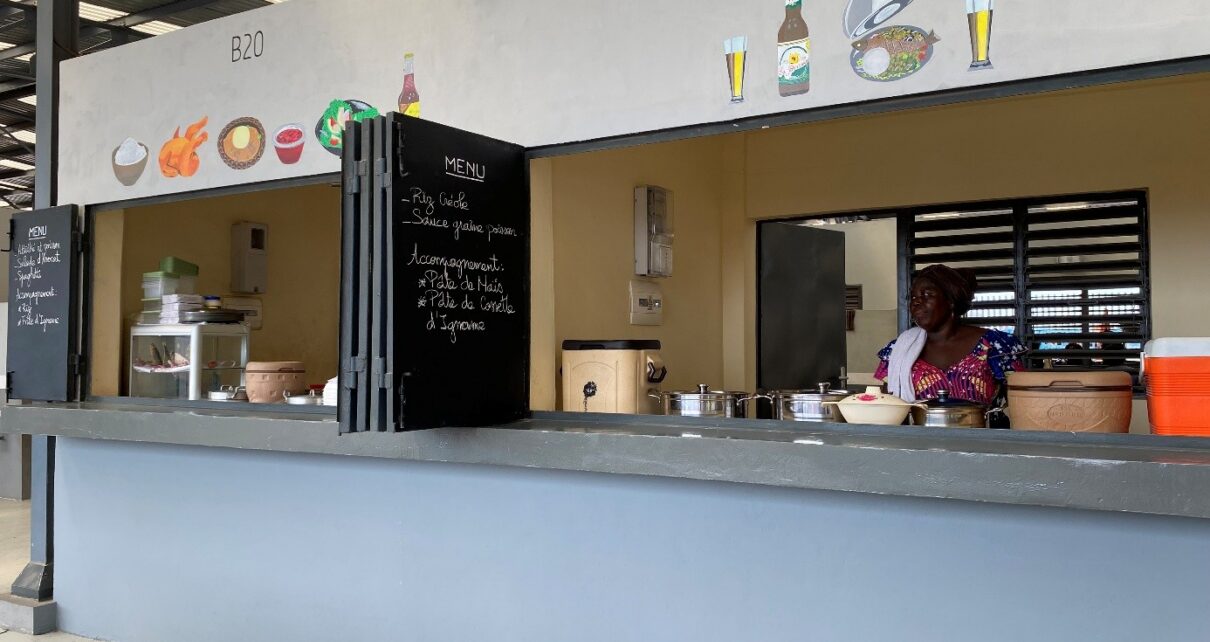
The Port Autonome de Cotonou (PAC) took decisive action by launching a large-scale project to formalize these vendors’ operations. Through extensive consultations with vendors, local leaders, and health officials, the authority identified the need for a dedicated, modern marketplace. The result? A sprawling, covered complex spanning over 3,000 square meters, complete with individual cooking stations, clean water access, and reliable electricity.
A new chapter for food vendors
The transformation was profound. Previously, 98 women vendors worked in makeshift stalls along busy roads, exposed to dust, rain, and vehicle emissions. Today, they operate from hygienic, secure stands within the new facility. Beyond safety, the setup allows them to prepare and reheat meals on-site, store ingredients properly, and maintain sanitary conditions—key factors in ensuring food safety for consumers.
The investment exceeded 600 million FCFA, but the returns were immediate. Vendors now enjoy steady foot traffic from port employees, dockworkers, and even nearby professionals, diversifying their customer base. Early data reveals a notable 20% increase in sales, while ongoing monitoring tracks reductions in food waste and health incidents linked to unsafe vending practices.
Building community and economic resilience
This project goes beyond hygiene—it’s a catalyst for social and economic uplift. By relocating vendors to a controlled environment, the PAC has fostered a safer, more inclusive community space. The initiative also strengthens food security in the port area, ensuring that workers have access to nutritious, affordable meals without risking their well-being.
As the project continues to unfold, its success serves as a model for other ports across West Africa grappling with similar challenges. Cotonou’s port authority has proven that investing in people and public health isn’t just ethical—it’s a smart strategy for sustainable urban development.