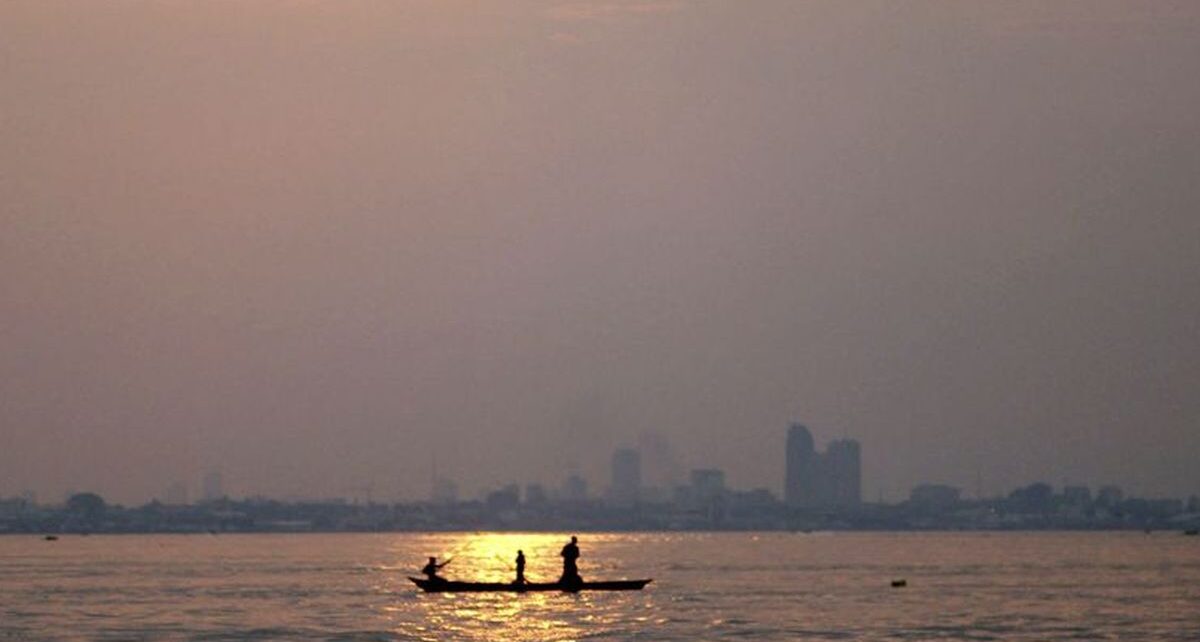
The Democratic Republic of the Congo faces deepening political and security pressures, with the AFC/M23 rebellion in the east and mounting concerns over governance in Kinshasa. Amid these challenges, a discreet diplomatic initiative is unfolding across the Congo River, centered in Brazzaville, where Republic of the Congo’s President Denis Sassou-Nguesso is quietly mediating behind the scenes.
Behind Closed Doors: A Regional Push for Stability
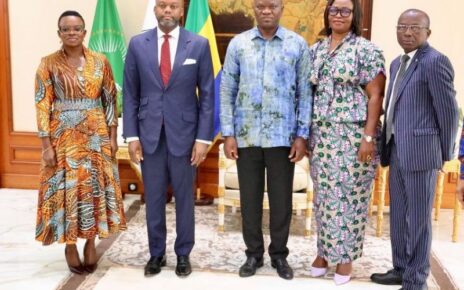
At the heart of this effort is a series of confidential discussions involving key Congolese leaders and influential religious figures. President Félix Tshisekedi traveled to Brazzaville on July 3, officially for bilateral talks, but the broader implications suggest a broader regional strategy to ease tensions. Days later, Sassou-Nguesso met with Cardinal Fridolin Ambongo and other Catholic leaders to explore pathways toward reconciliation in the DRC.
The specifics of these exchanges remain undisclosed, yet their timing aligns with a pivotal development: on July 17, Tshisekedi announced plans for a national inclusive dialogue. Cardinal Ambongo swiftly praised Sassou-Nguesso and Burundian President Évariste Ndayishimiye for their behind-the-scenes engagement, signaling a potential link between regional diplomacy and Kinshasa’s willingness to open political space.
Churches Step Into the Fray
The involvement of the Catholic Church and the Church of Christ in the Congo lends the process a moral weight that purely political negotiations often lack. Their participation could help legitimize the dialogue, particularly among opposition groups and civil society, which have long criticized what they see as government overreach—including restrictions on political activity, arrests of critics, and proposed constitutional reforms.
Yet significant hurdles remain. Opposition parties and activists are demanding the release of political prisoners, safeguards for free speech and assembly, assurances of fair electoral competition, and clarity on whether constitutional changes are necessary. Meanwhile, the government frames the AFC/M23 conflict as a security threat tied to external actors, resisting calls to integrate former President Joseph Kabila or the rebel group into broader political talks.
What’s Next for the Dialogue?
The details of Tshisekedi’s upcoming national dialogue—who participates, who sets the agenda, and how constitutional reforms are addressed—will shape its credibility. A comprehensive resolution remains unlikely, but even modest progress could help reduce tensions, strengthen civic freedoms, and rebuild trust between rival factions. This, in turn, would bolster the government’s legitimacy at home and its standing in regional peace efforts.
Washington has a vested interest in the outcome. U.S. diplomatic capital is tied to peace initiatives, critical mineral cooperation, and the Lobito corridor—projects dependent on a stable, legitimate Congolese government. The best path forward, according to observers, is for the U.S. to support—not lead—a Congolese-led process that prioritizes transparency, constitutional adherence, and the humane treatment of detainees.
The success of this initiative hinges not on its announcement, but on whether all parties—government, opposition, religious leaders, and the public—view it as fair, inclusive, and capable of easing the country’s political fractures.