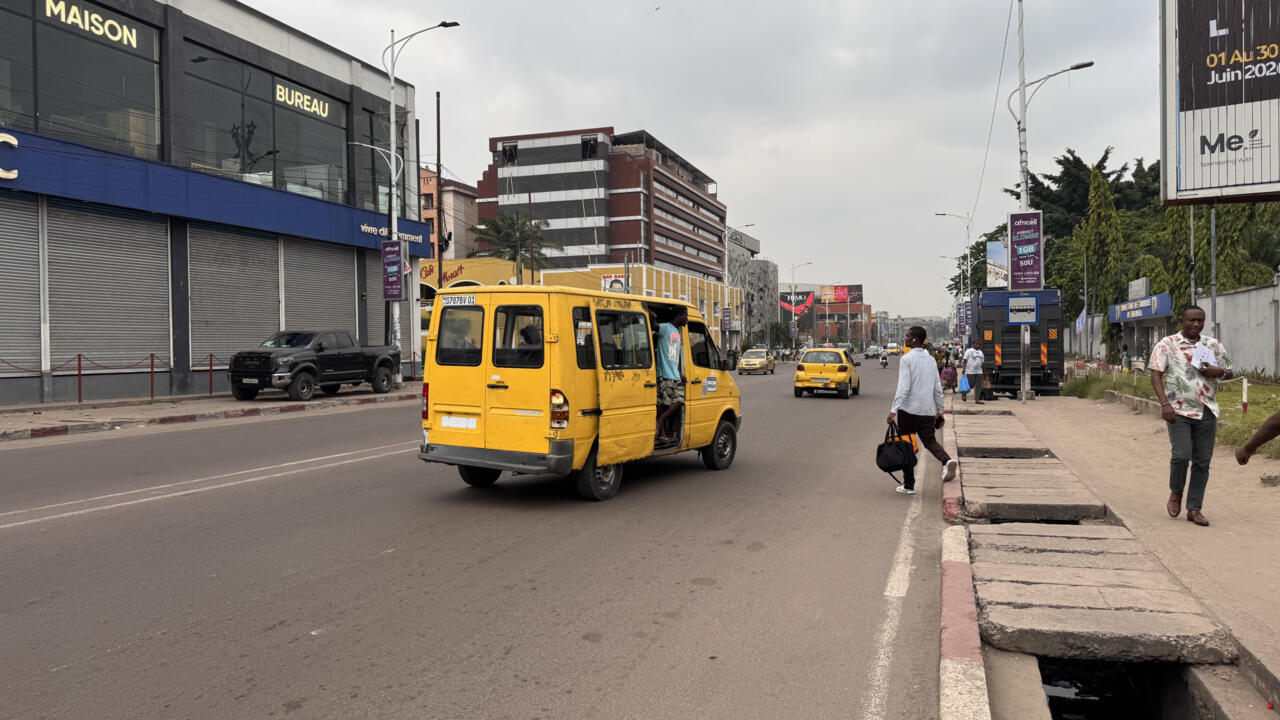
Kinshasa residents respond to opposition’s ‘dead city day’
The political opposition in the Democratic Republic of Congo recently called for a “dead city day” in Kinshasa, aiming to protest against a potential amendment to the Constitution. The central question remains: did this strategy effectively demonstrate the opposition’s strength and disrupt daily life as intended? We delve into the implications of this action and what it signifies for the ongoing power struggle with the ruling government.
On June 3, 2026, Kinshasa, the bustling capital of the Democratic Republic of Congo, witnessed a noticeable slowdown in activity. Streets that typically thrum with incessant traffic and pedestrian movement appeared unusually quiet, particularly in the city center. This reduced circulation was a direct reflection of the opposition’s call for a “dead city day,” a strategic maneuver designed to express widespread discontent over proposed constitutional changes.
The opposition’s objective was clear: to demonstrate its capacity to mobilize public support and exert pressure on the government by bringing economic and social life to a halt. The visible impact on Kinshasa’s urban landscape suggests a degree of compliance or solidarity among residents. However, the true measure of success for such a protest lies not just in visible disruption, but in its ability to influence political discourse and government policy.
As the standoff between the opposition and the ruling power continues, the effectiveness of tactics like the “dead city day” will be scrutinized. Whether this particular action will compel the government to reconsider its constitutional reform agenda, or if it merely serves as a temporary show of force, remains to be seen. The political landscape in the DRC is complex, and the path forward for the opposition in its challenge to the established authority will undoubtedly involve further strategic considerations beyond this initial test of resolve.