
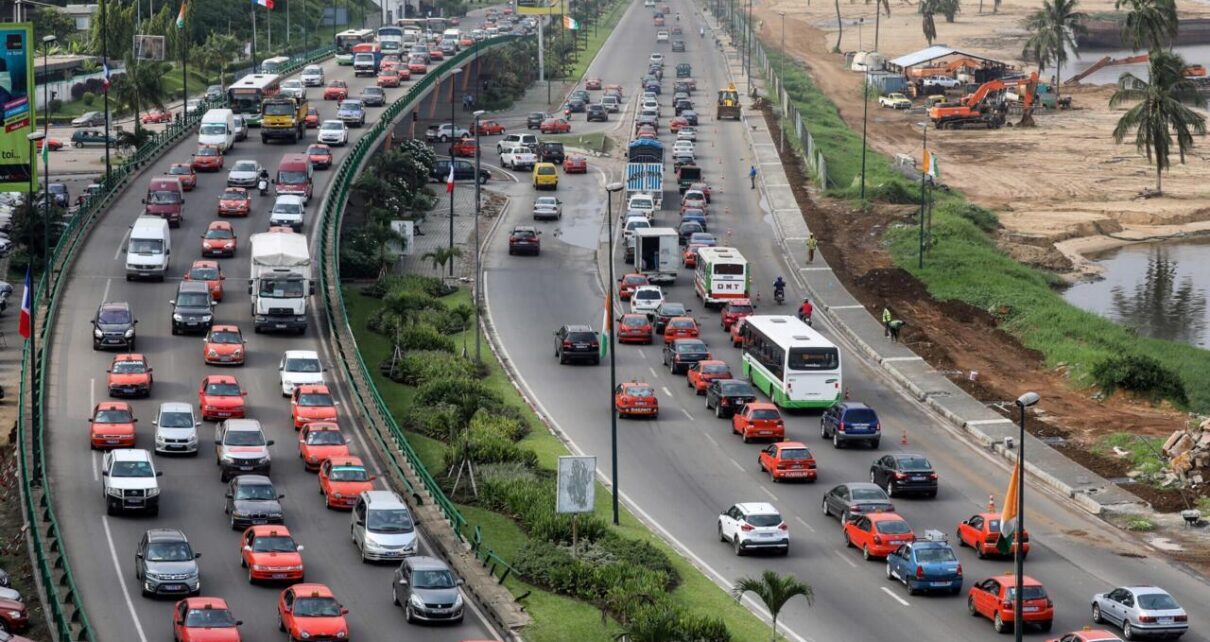
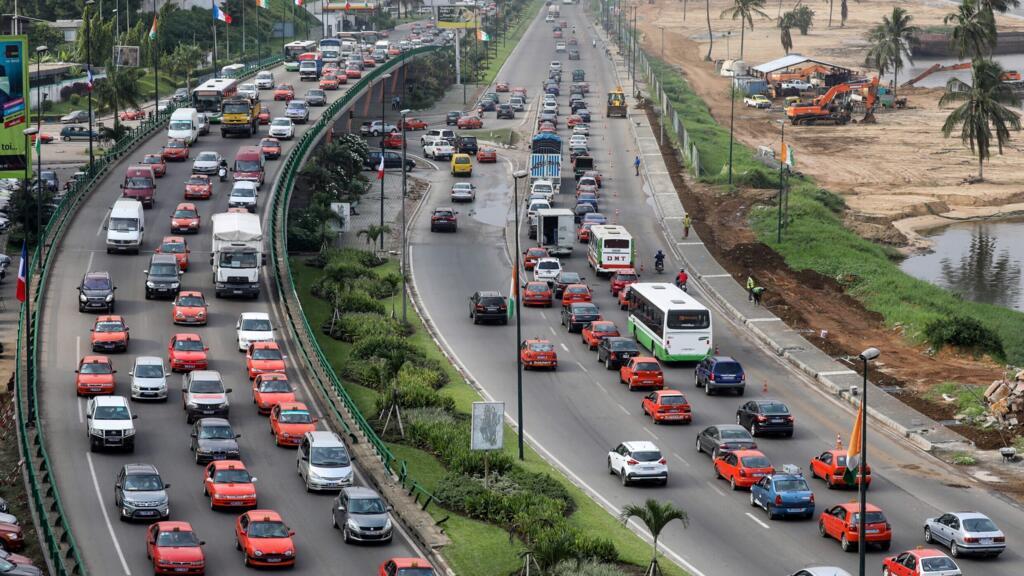
The electric vehicle revolution is quietly reshaping Côte d’Ivoire’s urban mobility landscape. Over 1,000 electric cars now navigate the streets of Abidjan and beyond, with the VTC (ride-hailing) sector emerging as their primary domain. These silent, fuel-free vehicles are proving particularly attractive to drivers seeking to slash operational costs amid rising fuel prices.
Drivers embrace electric VTCs for financial freedom
Mouhamed Kanaté has transformed his daily VTC operations by switching to electric vehicles. The former accountant now earns up to 28,000 FCFA per day while keeping his expenses well below those of conventional taxi drivers. “Charging an electric vehicle costs me a maximum of 13,000 FCFA, compared to 20,000 FCFA for a fuel-powered car,” he explains. “This allows me to maintain profitability while supporting my family.”
The VTC sector has become the driving force behind this shift. Three major ride-hailing companies now operate fleets of electric vehicles in Abidjan, with nearly 300 units currently in service. However, this green mobility movement faces significant hurdles that threaten to slow its expansion.
Critical challenges hindering growth
Several structural issues continue to plague the electric vehicle ecosystem in Côte d’Ivoire:
- Prohibitive upfront costs: Electric vehicles command prices starting at 14 million FCFA, making them inaccessible for many drivers
- Limited charging infrastructure: The country currently hosts only about 100 charging stations nationwide
- Spare parts scarcity: Repair technicians struggle with the unavailability of components for imported electric vehicles
- Heavy import dependency: Most electric cars must be brought in from abroad, creating supply chain vulnerabilities
Mouhamed Kanaté highlights these challenges from personal experience: “Finding replacement parts proves extremely difficult. Since these vehicles are imported, spare parts are scarce, and repair costs can quickly spiral out of control.”
Industry and government rally around electric mobility
Despite these obstacles, the market is responding. Sinoafrik, a major Chinese automobile distributor in Abidjan, has expanded its electric vehicle offerings at its Cocody showroom. Reine Trésor Gosset, a sales representative, notes a clear shift in customer behavior: “Initially, buyers approached electric vehicles out of curiosity. Now, we’re seeing genuine demand, particularly for VTC models and compact vehicles with 25 seats.”
Côte d’Ivoire’s government is also stepping up to support this transition through targeted incentives for investors. Jean-Marc Atché, Director of Planning and Projects, emphasizes the administration’s commitment: “Our investment code includes substantial facilitations to promote electric vehicle adoption. We’re actively supporting several initiatives, including a major assembly plant that will locally produce electric vehicles.”
The state is leading by example, with a target to make 10% of its administrative vehicle fleet electric by 2030.