
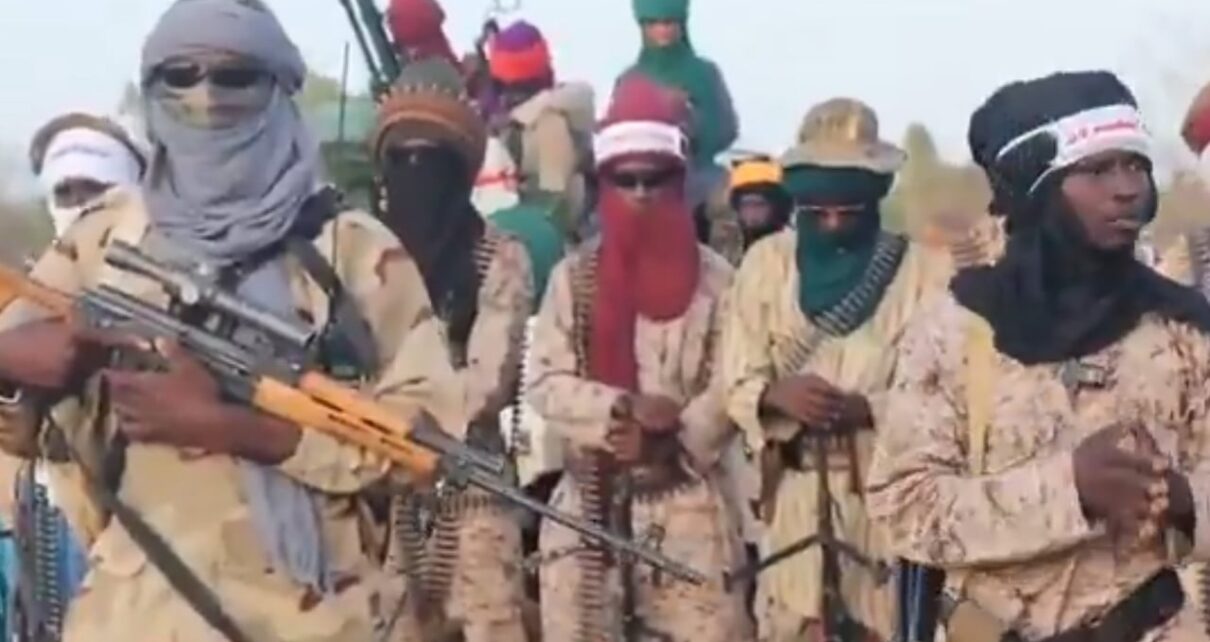
Understanding the expanding danger zone in West Africa’s heartland
The Sahel region is witnessing a dangerous geographical shift in instability, with violence no longer confined to its traditional hotspots. A troubling new pattern is emerging, stretching from the northern territories of Mali all the way to the borderlands of Nigeria. This evolution signals not just an intensification of existing threats, but the formation of what experts now describe as a fragile security corridor that demands urgent attention.

How militant alliances are redrawing the conflict map
Analysts tracking the trajectory of armed groups in the Sahel highlight a disturbing trend: the fragmentation and realignment of militant factions. Once localized insurgencies are now coalescing into broader networks, exploiting porous borders and weak governance structures. This strategic shift is not merely expanding operational zones but also complicating counterterrorism efforts across multiple nations.
The rise of cross-border cooperation among extremist factions has created a transnational threat ecosystem. Groups that previously operated independently are now synchronizing their activities, from recruitment to resource acquisition. This coordinated approach is amplifying their reach and resilience, particularly in areas where state presence remains minimal.
Key drivers behind the Sahel’s shifting instability
- Governance vacuums: Prolonged political instability in Mali and Burkina Faso has weakened institutions, creating fertile ground for militant expansion.
- Economic desperation: Chronic poverty and limited economic opportunities push vulnerable populations toward extremist groups offering financial incentives.
- Security fragmentation: The withdrawal of international forces has left security gaps that armed factions are quick to fill, particularly in remote and rural zones.
- Ideological contagion: The spread of radical narratives through social media and local networks is accelerating recruitment, especially among disaffected youth.
Regional spillover: the Nigeria connection
The crisis is no longer contained within the Sahel’s traditional boundaries. Neighboring Nigeria, already grappling with its own insurgency challenges, is now facing increased spillover effects. Militant groups operating in the Lake Chad Basin are leveraging the Sahel’s instability to reinforce their positions, creating a double threat for Africa’s most populous nation.
This cross-border dynamic underscores the need for a unified regional response. However, differing national priorities and security strategies are hampering collective action. As militants exploit these divisions, the risk of a larger, more sustained conflict grows.
What lies ahead: anticipating the next phase of the crisis
The coming months will be critical in determining whether the Sahel’s instability stabilizes or spirals further out of control. Several factors will shape this trajectory:
- Election outcomes: Upcoming votes in Mali and Niger could either stabilize governments or exacerbate political fractures.
- Military strategies: The effectiveness of regional security initiatives, such as the G5 Sahel force, will be tested as militant groups adapt to countermeasures.
- International engagement: The role of external actors, including former colonial powers and emerging global players, remains a double-edged sword—both a potential stabilizer and a source of contention.
- Community resilience: Grassroots efforts to counter radicalization and rebuild trust in local governance are crucial for long-term recovery.
The Sahel’s evolving crisis is a stark reminder that security challenges in West Africa are deeply interconnected. Without coordinated action, the region risks descending into a cycle of violence that could reshape its political and social landscape for decades to come.
Why this matters beyond the Sahel
The instability spreading across the Sahel is not an isolated phenomenon. Its ripple effects are being felt across West Africa and beyond, threatening regional trade routes, undermining economic development, and fueling global security concerns. Addressing this crisis requires more than military solutions—it demands a holistic approach that prioritizes governance, economic opportunity, and community engagement.