Gabon ends SEEG monopoly with new water and electricity firms
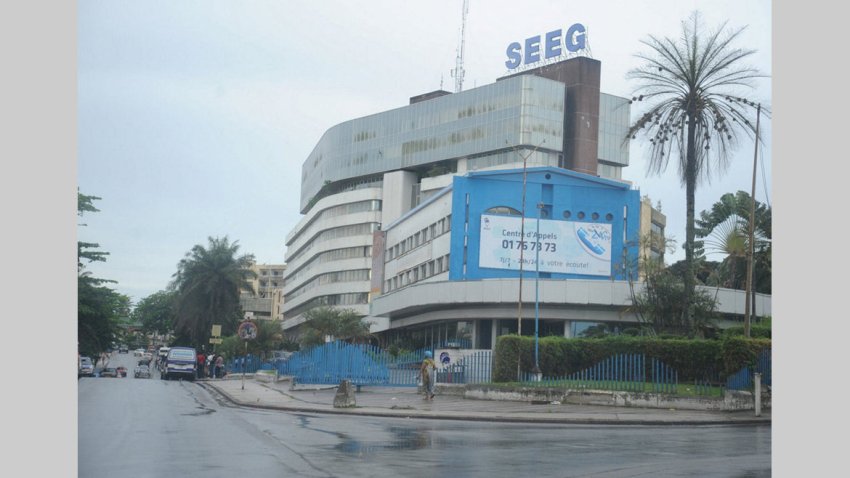
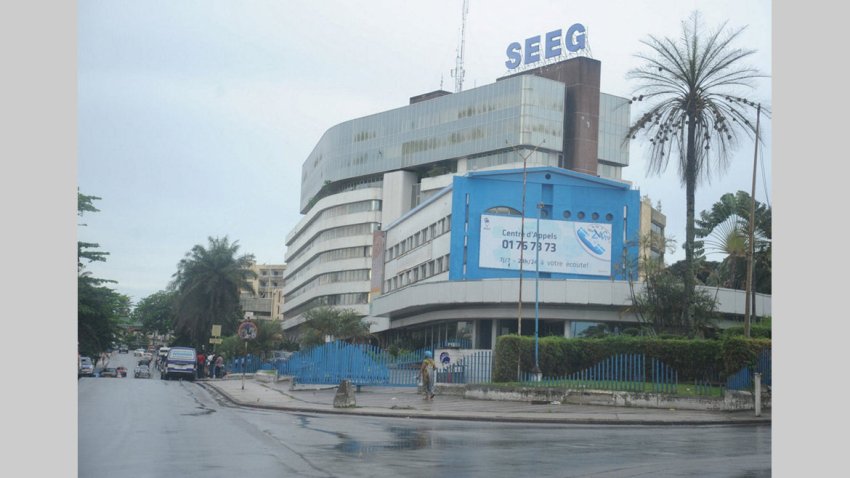
Libreville, June 26, 2026 – For nearly three decades, Gabon’s Société d’Énergie et d’Eau du Gabon (SEEG) stood as the sole manager of the nation’s critical water and electricity services. That era has now concluded.
In a decisive cabinet meeting on June 25, 2026, the Gabonese government formally dissolved SEEG, replacing it with two specialized state-backed enterprises: La Gabonaise des Eaux for water management and Électricité du Gabon for electricity. This bold restructuring represents far more than a name change—it signals a fundamental overhaul of the country’s essential public utilities.
The move follows President Brice Clotaire Oligui Nguema’s recent State of the Nation address, where he outlined urgent reforms. With persistent power outages and water shortages plaguing urban and rural areas alike, the government’s decision reflects a strategic push to address citizen concerns head-on.
Breaking free from an outdated model
Established in 1997 under a Veolia concession, SEEG operated as a single-entity model for water and electricity—a structure once considered efficient but now widely seen as unsustainable. Over time, aging infrastructure, underinvestment, and rising demand exposed critical flaws in this centralized approach.
Even after the government reclaimed full control in 2018, systemic issues persisted: unreliable service, financial strain, and insufficient expansion. The decision to split operations into two distinct entities is a deliberate shift toward efficiency, recognizing that water and energy management require specialized focus.
A strategic partnership model
The new enterprises will take the form of mixed-economy companies, blending public oversight with private sector expertise. This hybrid model, tested in other African nations, aims to balance public interest with operational excellence. However, success hinges on key factors: capital structure, governance frameworks, debt resolution, and asset transfers.
International financial institutions, including the African Development Bank and French Development Agency, are closely monitoring the transition. Success here could unlock future infrastructure investments, particularly in mining, forestry, and oil sectors where energy stability is paramount.
The test of real-world impact
Beyond administrative changes, this reform carries a powerful promise: universal access to water and electricity. Authorities frame it as a catalyst for national solidarity, economic modernization, and equitable development. Ambitious goals—service continuity, improved distribution, network expansion, and energy transition—have been set.
Yet history cautions that structural reforms alone cannot guarantee success. The true measure will be in tangible outcomes: fewer blackouts, reliable water supply, and improved living conditions. The dissolution of SEEG marks a historic moment for Gabon’s public services, but the real challenge lies in turning this vision into reality.