Gabon takes control of iboga plant with new regulatory framework
Libreville, June 10, 2026 – Gabon is tightening control over its sacred iboga plant, marking a new chapter in the global battle for cultural resources.
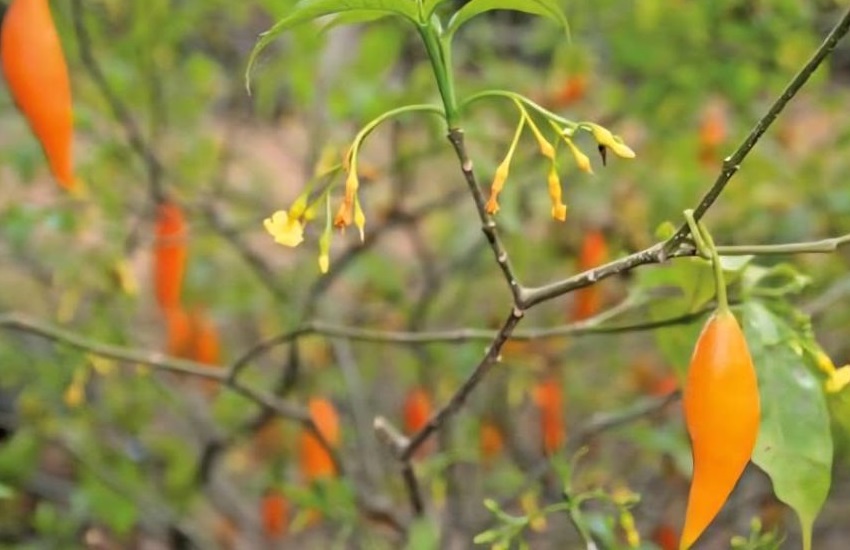
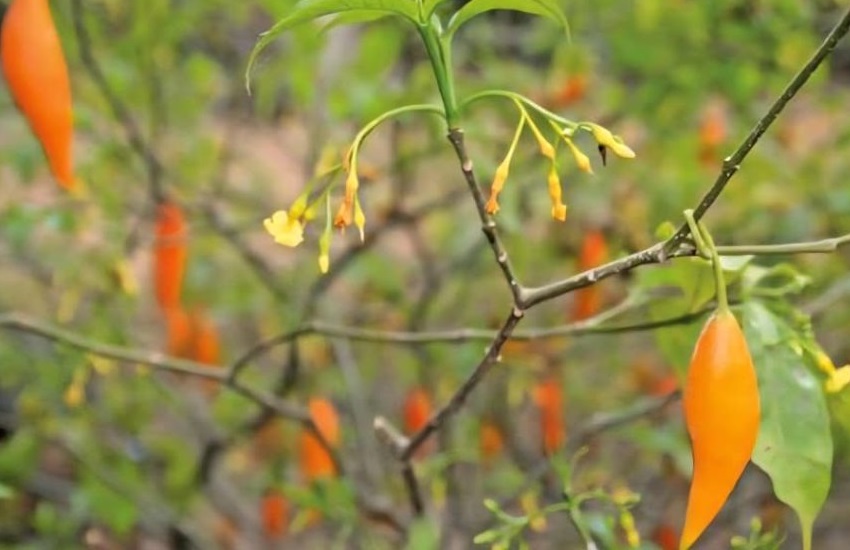
For generations, iboga has been revered by Bwiti communities as a spiritual cornerstone. Now, the government has declared that all activities involving this emblematic shrub will require prior authorization from state authorities. This landmark decision, formalized in Decree No. 0239/PR/MJSRCAVA, signals Gabon’s commitment to safeguarding its biological, cultural, and economic heritage.
Beyond administrative reform, this move represents a bold assertion of national sovereignty. The iboga plant, increasingly sought after for its therapeutic potential, has become a high-value commodity on the global stage. Libreville’s latest initiative aims to prevent unchecked exploitation while ensuring the nation retains control over its most prized natural asset.
How can Gabon protect iboga without undermining the centuries-old traditions that have preserved it? This delicate balance forms the crux of the new regulatory framework.
From sacred plant to global commodity
The decree, announced on June 8, 2026, establishes strict oversight. All iboga-related activities—including research, processing, trade, and traditional knowledge—now fall under mandatory authorization from the Ministry of Culture, following review by an interministerial technical commission. The rules apply equally to Gabonese citizens and foreign operators.
This regulatory shift comes as iboga gains international recognition. Researchers worldwide are exploring its alkaloid, ibogaine, for addiction treatment and mental health therapies. The surge in global interest has raised concerns about potential exploitation of Gabon’s biological and cultural patrimony.
The challenge of balancing tradition and regulation
The absence of clear guidelines has long allowed unchecked exploitation, often at the expense of traditional knowledge holders. While the new framework aligns with broader African trends in protecting genetic resources, implementation remains a hurdle. Iboga is more than an economic resource—it embodies deeply rooted spiritual practices across Gabonese society.
In rural provinces where traditions thrive, state presence is often limited. Authorities face the daunting task of cataloging, regulating, and supporting all stakeholders while respecting age-old customs that operate beyond formal administrative channels.
A strategic move for Gabon’s future
The decree reflects a broader national strategy: Gabon is no longer content to be a mere exporter of raw resources. By controlling access to its most valuable assets—whether timber, minerals, or biodiversity—the government seeks to maximize local benefits and ensure sustainable development.
Success hinges on striking the right balance. Overly rigid enforcement could alienate communities that have safeguarded iboga for generations. Conversely, lax oversight risks perpetuating the very exploitation the decree aims to curb. One thing is certain: iboga is no longer just Gabon’s sacred plant—it’s a cornerstone of national identity and economic sovereignty. In asserting control, Libreville sends a clear message: Africa’s wealth must be protected, not plundered.