Gabon under scrutiny: a critical test for governance and transparency
Libreville, Wednesday 1 July 2026 — As the global fight against corruption takes center stage in shaping a nation’s credibility, Gabon now stands under the international spotlight. This week, the country is hosting a pivotal evaluation mission that will scrutinize its commitment to transparency and governance.
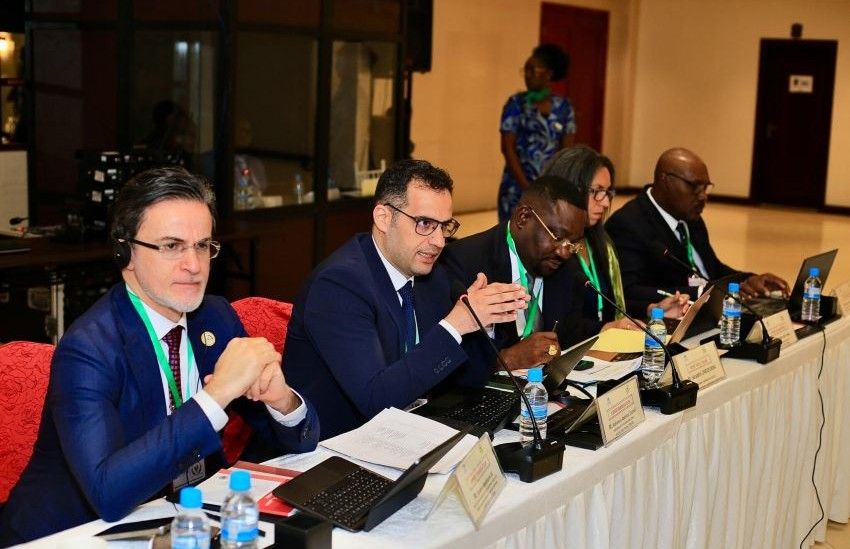
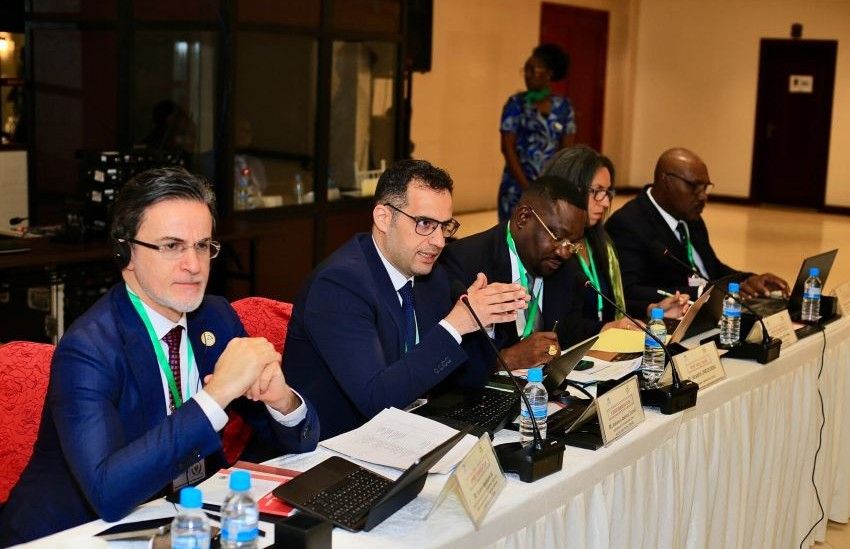
Since 29 June, experts from the United Nations Office on Drugs and Crime (UNODC) have been in Libreville to conduct the second-cycle review of Gabon’s implementation of the United Nations Convention against Corruption (UNCAC). Far from a routine administrative exercise, this three-day assessment carries profound implications for the nation’s political, economic, and institutional future.
The review focuses on critical areas such as anti-corruption prevention mechanisms, financial traceability tools, inter-institutional coordination, international judicial cooperation, and measures to combat illicit enrichment. The goal is clear: to evaluate Gabon’s ability to turn international commitments into tangible results.
Beyond diplomacy: a test of institutional credibility
The evaluation, hosted at the Boulevard Hotel in Libreville, marks a key milestone in Gabon’s ongoing public governance modernization drive. The mission is not merely about assessing laws or procedures; it probes the nation’s capacity to foster a lasting culture of public integrity and ensure rigorous management of national resources.
Séraphin Ondoumba, UNODC’s Gabon focal point and a member of the National Commission for Combating Corruption and Illicit Enrichment (CNLCEI), emphasized that this exercise offers an opportunity to showcase progress while pinpointing remaining gaps. For international experts, the true measure lies in Gabon’s ability to build sustainable public integrity and guarantee transparent resource management.
This evaluation arrives at a time when international transparency standards have become a decisive factor in economic attractiveness. Investors, development partners, and financial institutions now weigh governance quality as heavily as a country’s economic potential.
Governance as a driver of national transformation
Discussions have highlighted reforms initiated under President Brice Clotaire Oligui Nguema’s leadership. Key priorities include anti-corruption efforts, rationalizing public spending, strengthening administrative controls, and modernizing revenue collection.
Hermann Immongault, Vice-President of the government, noted that this mission aligns with a broader strategy to reinforce transparency, administrative accountability, and alignment with global benchmarks. The push for digitalization of administrative and financial procedures underscores a critical objective: reducing opacity, securing public revenue, and enhancing financial operation traceability.
The assessment also examines the CNLCEI’s operations, public agent training programs, awareness campaigns, and internal control systems across government ministries.
A nation’s credibility hinges on its institutions
Beyond the final report due Wednesday, this mission serves as a litmus test for institutional credibility. In today’s global landscape, where transparency demands are escalating, nations demonstrating effective governance mechanisms gain economic attractiveness and diplomatic influence.
Gabon appears to recognize that anti-corruption efforts are no longer just a matter of public ethics—they are now a driver of national competitiveness. The quality of institutions directly impacts investor confidence, policy effectiveness, and a country’s ability to mobilize development financing.
The recommendations emerging from this review will help identify necessary adjustments to consolidate strengths and address lingering weaknesses. Yet the ultimate challenge will lie in implementation.
In modern economies, good governance is no longer mere rhetoric; it is a strategic infrastructure as vital as roads, ports, or energy. For Gabon, this week’s evaluation represents far more than an international audit—it is a gauge of its capacity to build a more transparent, efficient, and globally credible state.