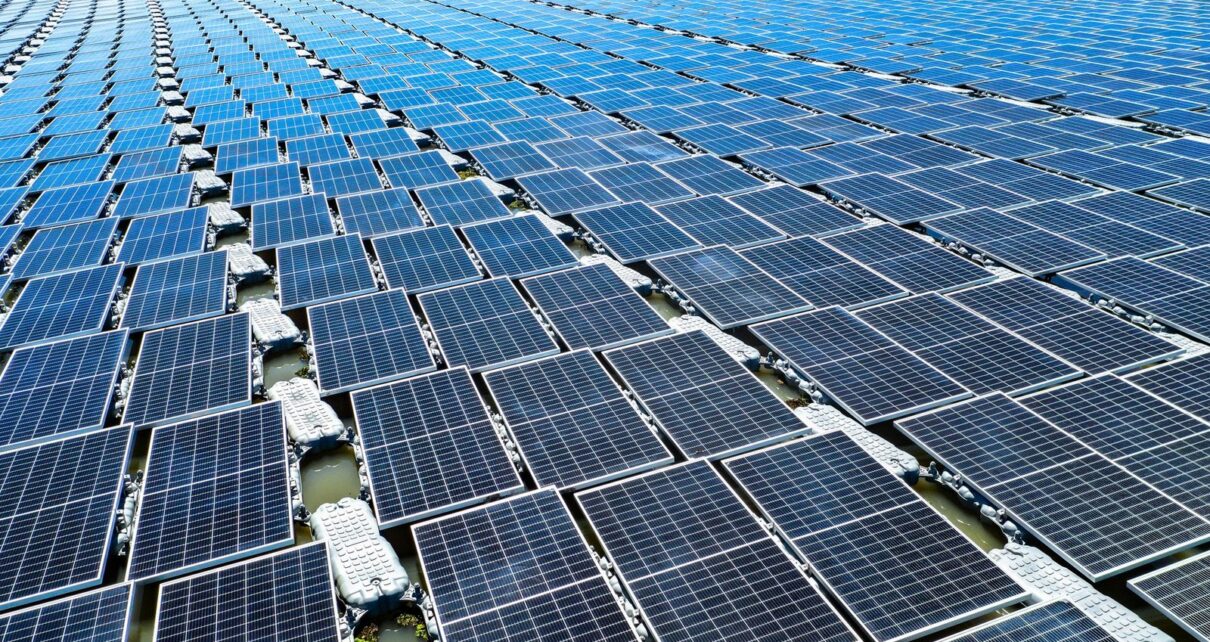
The Turkish conglomerate Karpowership, a leader in floating power plant technology, has cemented its critical role within Gabon‘s national energy framework. Evans Damada, the company’s country director, confirmed that its vessel-based power stations, strategically anchored off Libreville and Port-Gentil, are currently injecting 150 megawatts into the national grid. This substantial contribution accounts for approximately 25% of the country’s available electricity generation capacity. Such a significant share from a private foreign operator underscores the persistent vulnerabilities within the Gabonese electrical system and the pressing need for rapidly deployable power solutions.
Rapid expansion on Gabon’s grid
Karpowership’s increased contribution to Gabon’s energy mix has materialized over a remarkably short period. The operator quickly scaled up its capabilities in direct response to widespread and persistent power outages that impacted both residential areas and industrial complexes. This inherent flexibility is a key commercial advantage of the Turkish powerships, which can be towed between locations and integrated into a national grid within weeks, a stark contrast to conventional land-based power plants that often require several years for construction and commissioning.
Gabon now joins an expanding roster of African nations that are clients of the Istanbul-based group, with its presence already established in Côte d’Ivoire, Sénégal, Guinée-Bissau, Sierra Leone, Gambie, and Mozambique. The company’s economic model relies on multi-year electricity sales agreements, typically denominated in US dollars, with billing based on the kilowatthour produced. This financial arrangement has frequently sparked debate in various capitals due to the substantial budgetary implications of these purchases, which are often indexed to fluctuating hydrocarbon prices.
Energy security and strategic reliance
For Gabonese authorities, the immediate provision of 150 MW represents a crucial lifeline. The Société d’énergie et d’eau du Gabon (SEEG) has grappled for years with the challenge of meeting escalating demand, driven by rapid urbanization, the expansion of special economic zones, and the revitalization of mining projects. Gabon, whose electricity generation relies on a blend of hydropower, natural gas, and fuel oil, has seen its operational margins dwindle as its existing infrastructure ages.
Nevertheless, this growing dependence on a singular external provider raises important questions. Controlling 25% of the available capacity grants Karpowership considerable negotiating leverage, particularly as Gabon seeks to develop its own national gas resources and reinforce its energy sovereignty. The transitional government, which has made infrastructure revitalization a top priority since the August 2023 regime change, must carefully balance immediate operational imperatives with a strategic long-term vision.
Bridging to new local capacities
Evans Damada frames his group’s involvement as a transitional solution, designed to bridge the gap between immediate demand and the gradual commissioning of new land-based power capacities. Several projects are currently under consideration in Gabon, notably the Kinguélé Aval dam, a joint development by Meridiam and Gabon Power Company, alongside new gas-fired power plants fueled by offshore fields. These future infrastructures, once operational, are expected to naturally diminish the relative share of powerships within the overall energy mix.
In the interim, the Turkish presence continues to be a foundational element of the daily grid operations. The floating power stations operate as a base load, simultaneously supplying the greater Libreville area and the industrial corridor of the Estuaire region. Their maintenance, carried out by combined Turkish and Gabonese teams, includes a local training component, though its scale remains modest compared to the comprehensive skill transfers anticipated by the authorities.
In the short term, the central question is no longer whether Gabon can operate without Karpowership, but rather under what conditions the nation will successfully rebalance its energy portfolio. Negotiations concerning tariffs, contract durations, and the integration trajectory of national gas resources are anticipated to be the next critical points of discussion. Karpowership has indicated its intention to remain a long-term partner in Gabon’s electricity sector.