Gabon’s Paris visit: promises made, but when will gabonese see results?
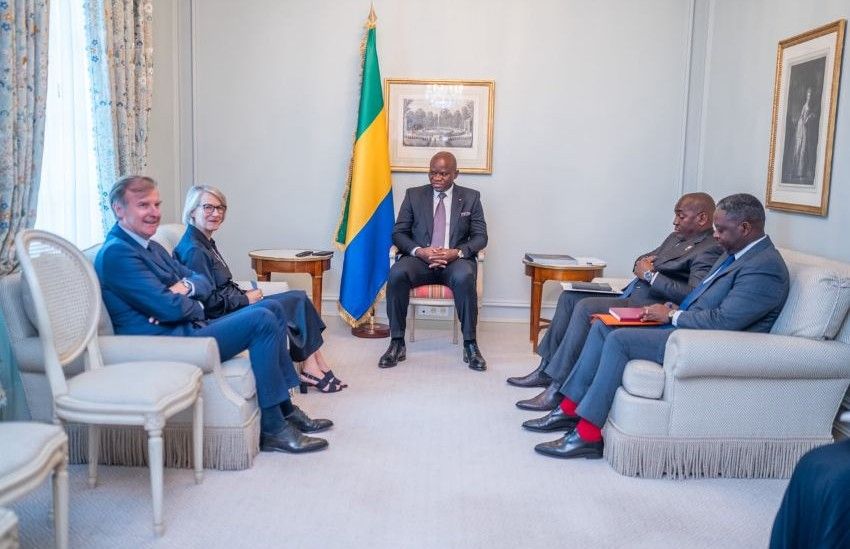
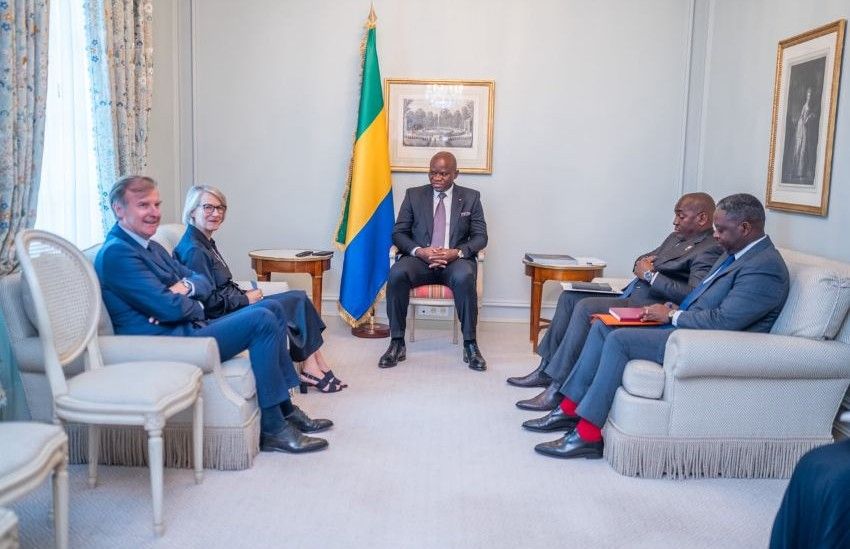
Libreville, August 4, 2026 — The state visit of Gabonese leader Brice Clotaire Oligui Nguema to Paris from July 19 to 22 was more than a diplomatic showcase. Behind the ceremonial welcome and high-level meetings lay a clear economic agenda: securing commitments that could translate into tangible benefits for Gabonese citizens.
With a delegation of over 80 participants—including key figures from Gabon’s private sector—the visit aimed to move beyond symbolic gestures. The focus was on identifying concrete partnerships and setting timelines for projects that could reshape the country’s economy. But for ordinary Gabonese, the question remains: when will these promises translate into real change?
Connectivity and trade: air France and fly Gabon’s evolving partnership
On the first day of the visit, Gabon’s head of state met with Anne Rigail, CEO of Air France. The discussion centered on deepening collaboration between Air France and Gabon’s national carrier, Fly Gabon. While both airlines already maintain commercial ties, the goal is to finalize a codeshare agreement by the end of 2026. This would allow Fly Gabon to sell tickets to Paris under its own branding, enhancing the country’s air connectivity.
No final agreement was signed during the meeting, but the timeline has been set. For Gabon, improved air links are not just about tourism—they are vital for business travel, investor mobility, and attracting skilled professionals. The success of this initiative will depend on follow-through and execution.
Manganese transformation: eramet’s bold roadmap for Gabon
The mining sector took center stage the following day at the Élysée Palace. Eramet, the French mining giant, and its subsidiary Comilog engaged in talks with Gabonese officials on a new protocol for local manganese processing. Christel Bories, Eramet’s president, emphasized that the roadmap was developed in close coordination with Gabonese authorities.
The proposal outlines an ambitious target: processing up to 700,000 tons of manganese locally by 2031. Additional components include the creation of a “Made in Gabon” fund and the development of a biocharcoal industry. While these initiatives signal progress, they remain frameworks rather than finalized investments. For Gabonese citizens, the difference is critical—real economic impact depends on financing, infrastructure, and concrete implementation.
Energy and infrastructure: the booué hydroelectric project and beyond
Energy security was another key topic during the visit. Gabon’s government, EDF Power Solutions, and Gabon Power Company signed an agreement to advance the Booué hydroelectric project on the Ogooué River. The proposed facility would add 400 megawatts to the national grid, addressing a growing energy deficit. Current production hovers around 700 megawatts, but demand exceeds 1,000 megawatts—a gap that threatens economic growth.
The agreement sets an October 31 deadline for finalizing development terms. Monthly meetings will track progress, making this a critical test of credibility for the project. Additionally, representatives from the Omega Consortium, specializing in water and electricity infrastructure, met with the president to discuss expanding access to essential services—a priority for Libreville.
From promises to progress: what gabonese citizens really want
The Paris visit succeeded in identifying partners, setting deadlines, and launching new initiatives across mining, energy, and infrastructure. Yet the true measure of success will be felt in Gabonese homes, businesses, and communities. Citizens are not waiting for headlines—they want jobs, reliable electricity, improved water access, and locally produced goods that add value to the economy.
Air France’s codeshare potential, Eramet’s manganese roadmap, the Booué hydroelectric project, and Omega Consortium’s infrastructure plans are all steps in the right direction. But the real test lies in execution. The October 31 deadline for Booué, the end-of-year target for the air agreement, and the evolution of manganese processing will be closely watched. Economic diplomacy must now deliver measurable improvements in daily life—otherwise, it risks being remembered as little more than a series of handshakes and photo opportunities.