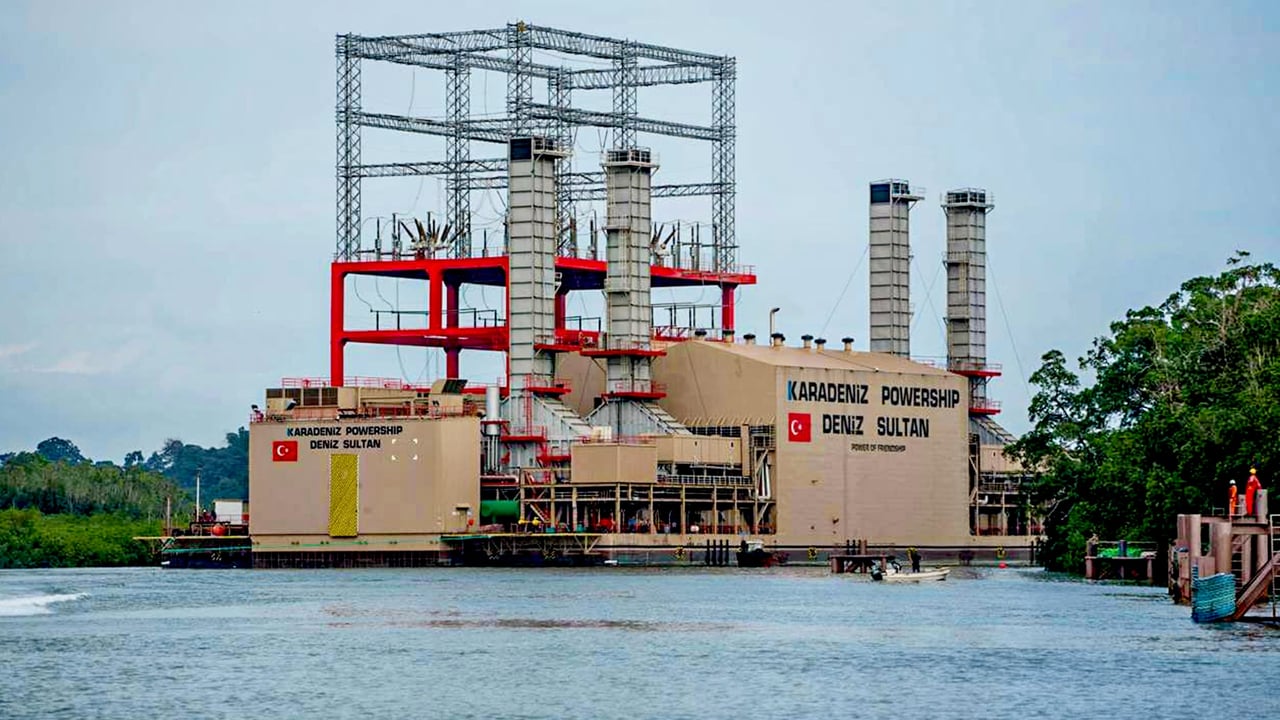

Gabon is navigating a critical shift in its energy sector as authorities take decisive steps to reduce reliance on Karpowership, the Turkish floating power plant operator. The move reflects broader efforts to regain control over the country’s energy independence and stabilize its electricity supply amid rising demand.
Government officials have confirmed that negotiations with Karpowership are underway to restructure existing contracts. The goal is to minimize long-term obligations while accelerating investments in domestic energy infrastructure. This strategic pivot comes as Gabon seeks to diversify its energy mix and reduce exposure to volatile global fuel prices.
Why Gabon is rethinking its energy partnerships
The partnership with Karpowership, which began in 2017, was initially hailed as a quick solution to chronic power shortages. However, critics argue that the arrangement has imposed significant financial strain on the national grid. Floating power plants, while efficient in the short term, often come at a premium cost compared to traditional energy solutions.
With President Brice Clotaire Oligui Nguema pushing for greater energy sovereignty, the government is now prioritizing long-term sustainability. Key initiatives include expanding renewable energy projects and reinforcing partnerships with established players like EDF and SEEG, Gabon’s national utility company.
Challenges ahead in energy transition
The transition away from Karpowership is not without hurdles. Infrastructure gaps, funding requirements, and regulatory adjustments pose significant challenges. Yet, officials remain confident that the benefits—lower costs, improved grid stability, and enhanced energy security—will justify the effort.
Industry analysts note that Gabon’s energy reforms could serve as a model for other African nations grappling with similar dependency issues. By balancing immediate needs with long-term goals, Gabon is positioning itself as a leader in sustainable energy practices on the continent.
What’s next for Gabon’s energy future?
While the details of the new agreements are still being finalized, one thing is clear: Gabon is determined to reclaim control over its energy destiny. The outcome of these negotiations will shape the country’s economic trajectory for years to come, influencing everything from industrial growth to household affordability.
As discussions progress, stakeholders across the energy sector are closely monitoring developments, eager to see how Gabon balances pragmatism with ambition in its quest for energy independence.