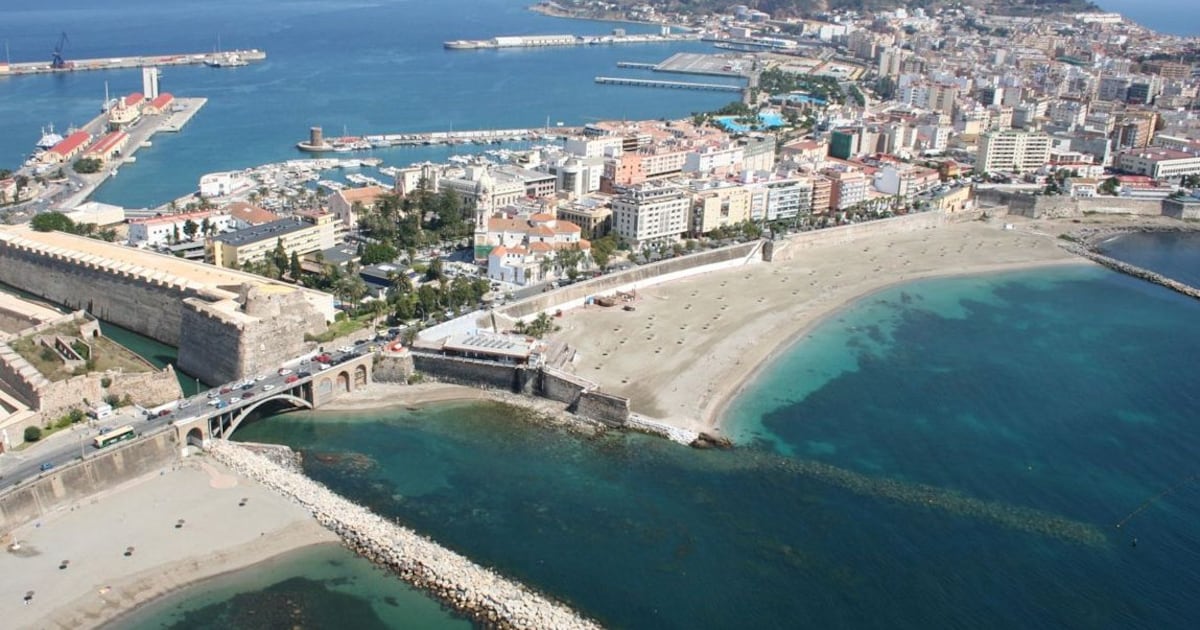
Security collaboration between Morocco and Spain has repeatedly thwarted deadly terrorist plots targeting the North African enclave of Sebta (Ceuta). According to recent intelligence assessments, Moroccan authorities have played a pivotal role in dismantling criminal-terrorist networks that exploit smuggling and drug trafficking revenues to fund radicalization.
Investigations reveal that Sebta has emerged as a critical front in the fight against international jihadist terrorism, with multiple arrests made in the city center just days ago. The enclave’s strategic location—serving as a gateway from North Africa to Europe—makes it a high-priority target for extremist groups seeking to infiltrate the continent.
A recent counterterrorism operation in Sebta exposed a more insidious threat: decentralized, digitally driven cells that rely on online propaganda, recruitment, financing, and cross-border coordination. Unlike traditional hierarchical networks, these cells operate with greater secrecy, complicating detection and disruption efforts.
Official data from Spanish authorities highlights the scale of the challenge. Between 2012 and mid-2026, Spain conducted 458 counterterrorism operations, leading to 816 arrests linked to jihadist activities. In the same period, Sebta was the focus of 19 operations, resulting in 40 detentions. For the first half of 2026 alone, 37 operations yielded 68 arrests across Spain—each outcome underscoring the effectiveness of cross-border intelligence sharing.
The success of these efforts hinges on persistent and robust cooperation with Moroccan security forces, who maintain round-the-clock surveillance over known extremist networks. Their proactive monitoring and rapid response capabilities have become indispensable in safeguarding Sebta and preventing potential attacks.