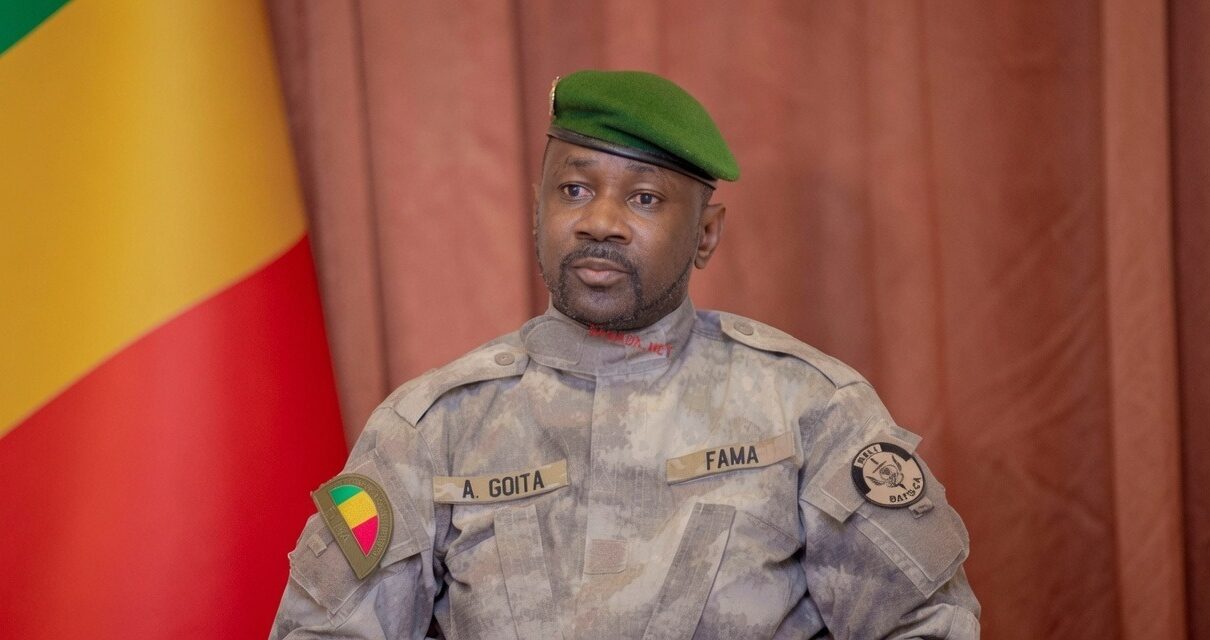
Behind Mali’s staggering military claims
The Malian armed forces’ public relations machine has once again rolled out its latest performance. On the 12th of August, 2026, the Directorate of Information and Public Relations of the Armed Forces (DIRPA) delivered its customary statistical spectacle—this time boasting of 1,850 “neutralized” terrorists, 45 destroyed bases, and hundreds of vehicles and motorcycles reduced to ashes over June and July. The figures are staggering, yet they demand closer examination.
The illusion of precision
How does a military force, no matter how committed, claim to tally nearly two thousand enemy combatants killed in just eight weeks without presenting verifiable evidence? In West African conflict zones, military communication increasingly ignores the need for independent validation. No neutral observers, civil society groups, or journalists have access to these battlefields to confirm the claims.
The term “neutralized” itself is a flexible construct. Does it refer to armed fighters killed in combat, suspects detained during raids, or civilians caught in the crossfire of operations shrouded in secrecy? Without named lists or clear identification protocols, the line between insurgents and local populations blurs dangerously.
A narrative at odds with reality
The DIRPA’s triumphant announcements contrast sharply with the persistent insecurity gripping Mali. If nearly 2,000 insurgents have been eliminated and their supply networks dismantled, why do major roads remain vulnerable to ambushes? Why must convoys transporting fuel require heavy military escorts if vast forest strongholds have supposedly been cleared?
Recent attacks on strategic locations like San and Konna, along with coordinated assaults by the Jama’at Nusrat al-Islam wal Muslimeen (JNIM) in the North and East, suggest the enemy retains significant operational capacity. Declaring the adversary “severely weakened” while it continues to launch large-scale offensives on key garrisons reflects a narrative of persuasion, not tactical truth.
Silence as a weapon
This communication strategy also serves to justify Mali’s strategic pivots—namely the Dougoukoloko Plan and the deepening military ties with Russia’s Africa Corps. By eliminating traditional partners and investing heavily in new alliances, Bamako must demonstrate tangible results to maintain public support.
Yet, by restricting access to information and stifling dissenting perspectives on security matters, the government enforces a single, unchallenged story: victory is always near, but never fully substantiated. Until the DIRPA prioritizes transparency over inflated figures, its reports will continue to fuel skepticism among those who endure the daily reality of escalating insecurity.