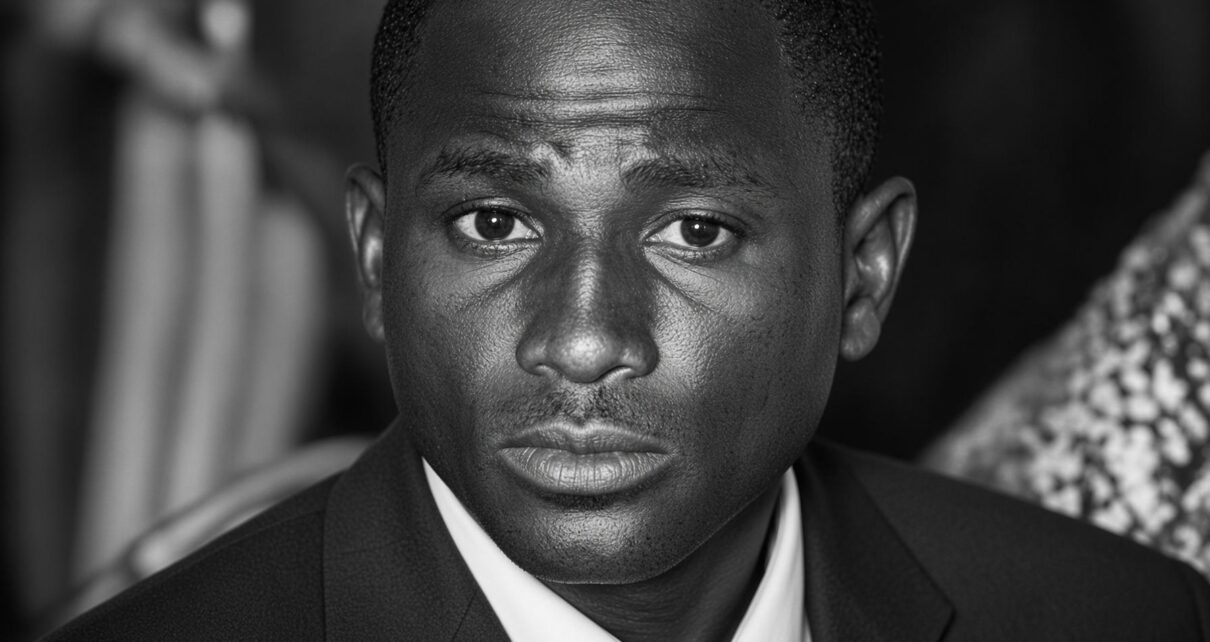
The abrupt arrest and arbitrary detention of lawyer Abdourahamane Lirwana represents a critical juncture in Niger’s escalating crackdown on judicial dissent. By silencing human rights defenders and critical voices alike, authorities have crossed an intolerable threshold, raising urgent questions about the future of civic freedoms in the Sahel nation.
The hidden mechanisms behind Lirwana’s arrest
Maître Lirwana, a prominent human rights attorney and founder of the Patriotic Movement for Responsible Citizenship, was summoned to Niamey’s Judicial Police headquarters on September 21, 2026. Instead of a routine procedural meet, what awaited was a premeditated detention designed to silence legitimate criticism. Placed under immediate custody, he was presented to prosecutors the following day and incarcerated at Niamey Central Prison on charges of “disseminating data likely to disturb public order”, as per Article 31 of the cybercrime ordinance.
His alleged offense? A single Facebook post, dated September 12, where he reflected on the morale of Niger’s military forces. Under what legal framework does an attorney’s analysis, or any citizen’s opinion on national security, justify up to five years in prison? The answer lies not in justice, but in intimidation—a calculated move to instill widespread self-censorship across civil society.
The quiet suffocation of Niger’s civic space
Lirwana’s detention is not an isolated incident but part of a deliberate, year-long strategy to dismantle civic engagement. Arbitrary detentions, targeted prosecutions, and legal harassment have become the government’s preferred tools against civil society leaders, journalists, and human rights advocates. The pattern is clear: suppress dissent, eliminate scrutiny, and normalize fear.
These actions starkly contradict Niger’s international obligations, including the International Covenant on Civil and Political Rights and the African Charter on Human and Peoples’ Rights, both of which enshrine the right to free expression and a fair trial. By weaponizing the legal system, authorities are not just violating laws—they are eroding the very foundations of democratic governance.
Why Lirwana’s case is a turning point for Niger’s democracy
The judicial persecution of Me Lirwana sends a chilling message: no one, regardless of professional standing or civic role, is safe from arbitrary punishment. When lawyers—guardians of justice themselves—are jailed for expressing opinions, the message is unmistakable: the rule of law is subordinate to political control. The implications extend beyond individuals; they threaten the integrity of Niger’s legal system and its international reputation.
Human rights organizations have condemned this judicial overreach, emphasizing that Lirwana’s arrest constitutes a gross violation of his fundamental freedoms. Yet silence from the international community risks normalizing this repression, emboldening further abuses.
What must happen next: accountability and immediate action
Niger’s judiciary and political leadership bear the responsibility to reverse this dangerous trajectory. The first and most urgent step is the immediate, unconditional release of Maître Lirwana. Beyond that, authorities must quash all charges against him and uphold the constitutional right to free speech. Anything less will signal tacit endorsement of a regime where dissent is a crime and justice is a privilege.
The people of Niger deserve better. The world is watching. The time for justice is now.