
One year after Trump’s peace initiative: has it stabilized the DRC-Rwanda tensions?
The landmark peace agreement brokered by former US President Donald Trump between the Democratic Republic of the Congo (DRC) and Rwanda marked its first anniversary this February. While the deal aimed to ease decades of hostility, its implementation has faced significant hurdles.
Military and political shifts since the agreement
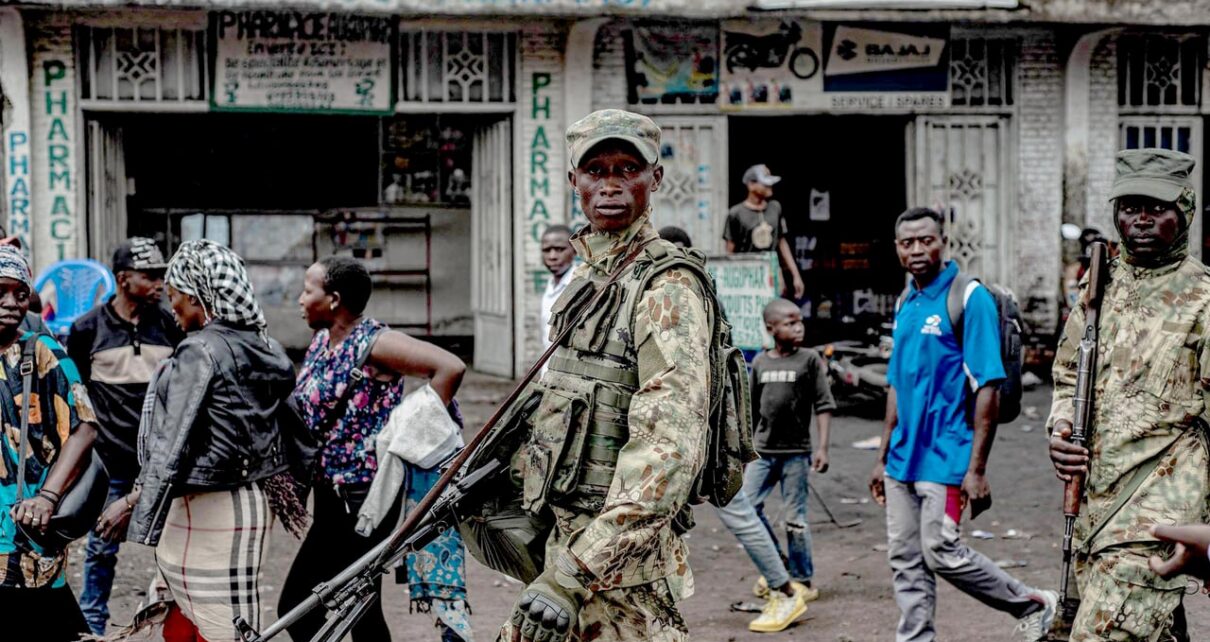
The M23 rebel group’s advance into Goma in early 2026, just months after the pact’s signing, raised urgent questions about its effectiveness. The group’s seizure of key territories—including Goma, a strategic hub—highlighted persistent security gaps despite international pressure for compliance.
In Kinshasa, President Félix Tshisekedi has maintained a firm stance, demanding full adherence to the accord’s terms. Meanwhile, Rwandan President Paul Kagame has reiterated his commitment to dialogue, though accusations of continued support for rebel factions persist. These dynamics have kept tensions simmering beneath the surface.
Diplomatic deadlocks and humanitarian fallout
The peace deal’s core provisions—including ceasefire enforcement and cross-border cooperation—remain largely unmet. High-level negotiations have stalled, with both sides accusing the other of non-compliance. The M23’s ongoing operations have displaced tens of thousands in eastern DRC, exacerbating a dire humanitarian crisis.
International observers warn that without tangible progress, the region risks further destabilization. The African Union and regional blocs have urged renewed efforts to revive the agreement, emphasizing the need for sustained diplomatic engagement.
What’s next for the DRC-Rwanda peace process?
As the anniversary passes, the path forward remains uncertain. Key challenges include:
- Ceasefire enforcement: Ensuring all armed groups halt hostilities remains a critical priority.
- Cross-border trust-building: Rebuilding confidence between Kinshasa and Kigali is essential for long-term stability.
- Humanitarian access: Delivering aid to conflict-affected communities demands immediate action.
While the Trump-brokered accord provided a framework, its success hinges on political will and regional cooperation. The coming months will determine whether the agreement can translate into lasting peace—or risk becoming another unfulfilled promise in Africa’s turbulent Great Lakes region.