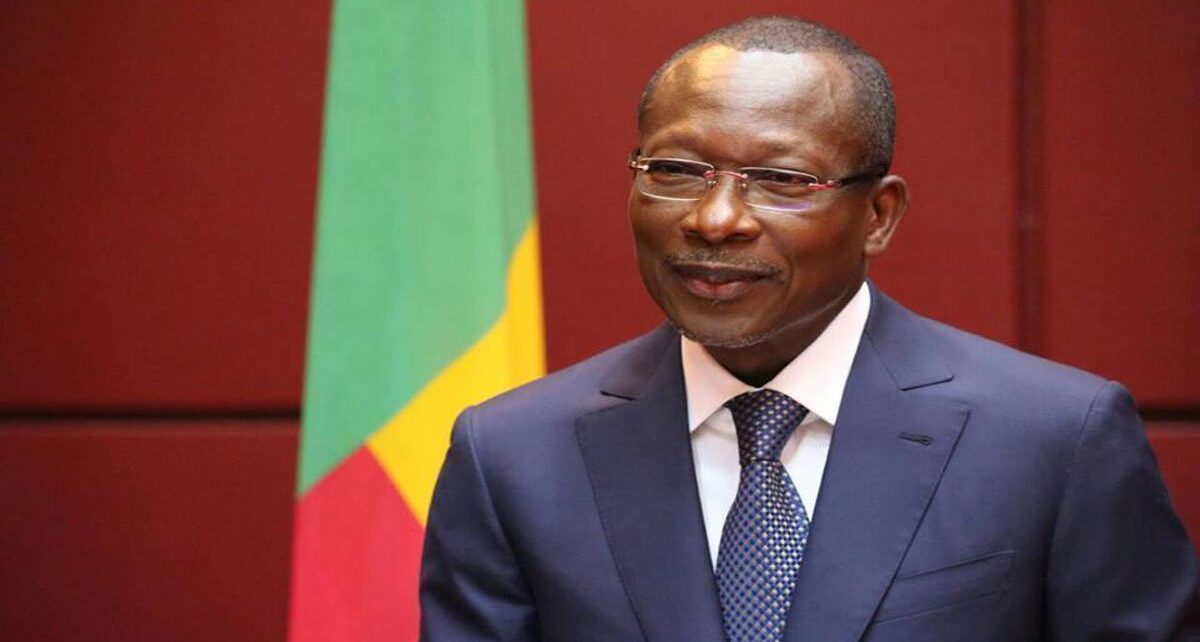
On August 6, 2026, Bénin’s political landscape witnessed a historic milestone. Delegates convened at Porto-Novo’s Governor’s Palace for the inaugural session of the country’s newly established Senate. By an overwhelming majority, they elected Patrice Talon—former President and architect of the Nouveau Départ agenda—as its first-ever presiding officer.
Talon’s election underscores a bold statement in West African governance: departing the presidency does not equate to abandoning political influence. His decade-long tenure (2016–2026) at the helm of the executive branch was marked by institutional reforms, and his transition to the Senate signals continuity in national leadership.
Institutional reinvention: The Senate’s evolving role
The Senate’s creation follows a constitutional overhaul designed to fortify Bénin’s democratic framework. Comprising 25 members—including former heads of state who hold lifetime seats—the chamber serves as a stabilizing force, fostering national cohesion and institutional wisdom.
- A regulatory pillar: By leading the Senate, Talon assumes a critical role in moderating legislative processes and ensuring policy coherence between the executive and parliamentary branches.
- A consultative authority: The Senate’s mandate extends beyond legislation, positioning Talon as a key advisor to both the current administration and the National Assembly.
A new chapter beyond the Marina Palace
Talon’s trajectory defies conventional African political norms, where transitions often lead to power struggles or abrupt exits from public life. His path reveals three defining principles:
- Adherence to constitutional limits: By voluntarily relinquishing the presidency after two terms, he reinforced Bénin’s tradition of peaceful alternation—a rarity in the region.
- Legislative leverage: Rather than pursuing international roles or private ventures, he chose to institutionalize his influence within the legislative branch, ensuring sustained impact.
- Statesmanship as a stabilizer: Seated among esteemed political figures, Talon now embodies the role of a neutral arbiter, guiding reforms and safeguarding democratic stability.
Why Talon’s Senate leadership matters
Patrice Talon’s ascension to the Senate presidency marks a pivotal shift in African governance. It demonstrates that former presidents can transition seamlessly into advisory roles, leveraging experience without clinging to executive power. This model of institutional maturity could inspire neighboring nations grappling with leadership transitions. For Bénin, it signals a maturing democracy—one where experience and renewal coexist.