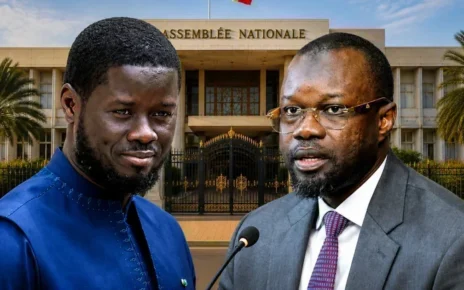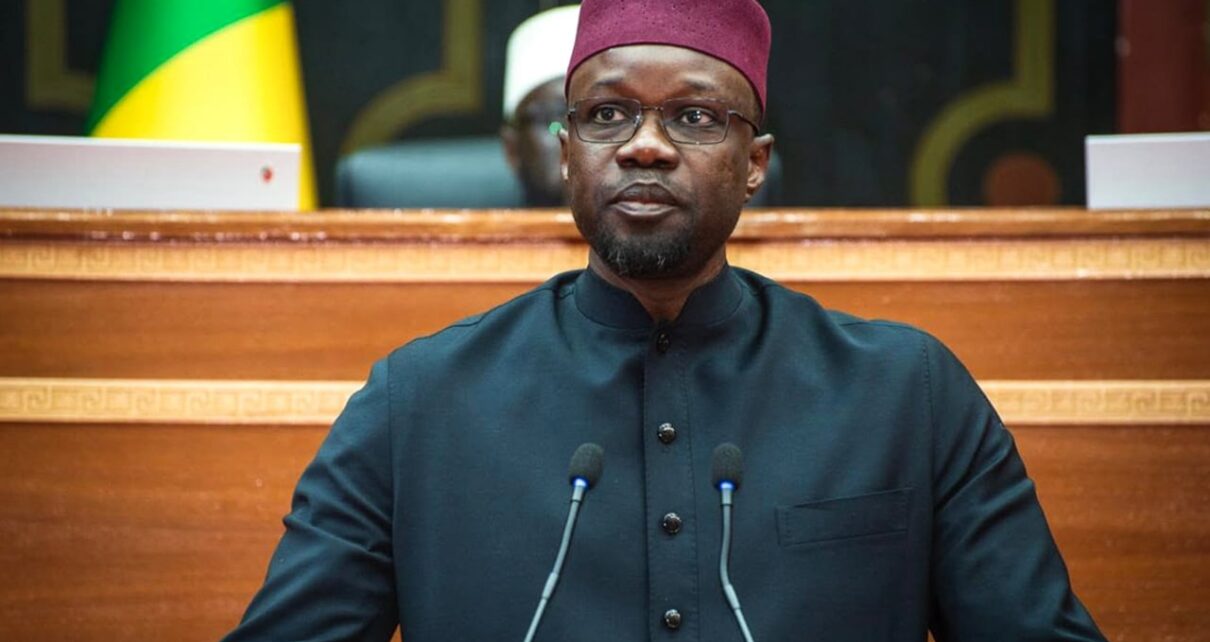
The political landscape in Sénégal has witnessed an unprecedented convergence between two major factions, Pastef and the Alliance pour la République (APR), as both groups unite against the growing trend of political defection. This unexpected alliance is reshaping the dynamics ahead of upcoming electoral contests, signaling a possible shift in the country’s governance trajectory.

Why the sudden collaboration between Pastef and APR?
Historically, Pastef—led by Ousmane Sonko—and the APR—founded by former president Macky Sall—have been at odds, with clashing ideologies and policy disagreements. However, both parties now find common ground in addressing the issue of political transhumance, where elected officials frequently switch allegiances for personal gain. This practice has undermined public trust and destabilized Sénégal’s democratic institutions.
The alliance was formalized during closed-door negotiations, where both parties agreed to propose legislation aimed at curbing political defections. The proposed reforms would impose stricter penalties on lawmakers who abandon their parties mid-term, a move seen as a direct challenge to the entrenched culture of opportunism in Sénégal’s political arena.
Ousmane Sonko’s role in the anti-transhumance movement
Ousmane Sonko, a prominent opposition leader and founder of Pastef, has long been a vocal critic of political transhumance. His party, which includes Bassirou Diomaye Faye—another key figure in the movement—has consistently campaigned for transparency and accountability in governance. Sonko’s recent statements emphasize the need for electoral integrity, framing the alliance with the APR as a necessary step to restore public confidence in Sénégal’s political system.
The collaboration has also drawn attention to the broader implications for Sénégal’s democracy. By aligning against political defections, both parties are sending a clear message to voters that they prioritize national interests over individual ambitions. This shift could redefine the balance of power in the upcoming elections, particularly as Bassirou Diomaye Faye emerges as a potential frontrunner for higher office.
Public and political reactions to the alliance
The unexpected partnership has sparked mixed reactions. Supporters of Pastef and the APR see this as a bold move to strengthen democratic values, while skeptics question the sincerity of the collaboration, given the parties’ past conflicts. Political analysts suggest that this alliance could either consolidate support for both groups or fuel further divisions within Sénégal’s political spectrum.
Meanwhile, civil society organizations have praised the initiative, calling it a step toward reducing corruption and enhancing governance. The proposed reforms are expected to be tabled in the National Assembly, where they will face scrutiny from lawmakers across the aisle. How the public and political elite respond to this alliance will determine its long-term impact on Sénégal’s democratic future.
Key takeaways
- The alliance between Pastef and the APR marks a rare collaboration against political transhumance in Sénégal.
- Both parties aim to introduce legislation to penalize lawmakers who switch parties mid-term.
- Ousmane Sonko and Bassirou Diomaye Faye are central to this movement, advocating for electoral integrity.
- The partnership has drawn both praise and skepticism, reflecting the complexities of Sénégal’s political landscape.