Diplomacy
powerful rivals challenge Morocco’s influence in Africa
Massive financial investments in religious outreach, mosque construction, and charitable programs are reshaping the geopolitical landscape across the continent.
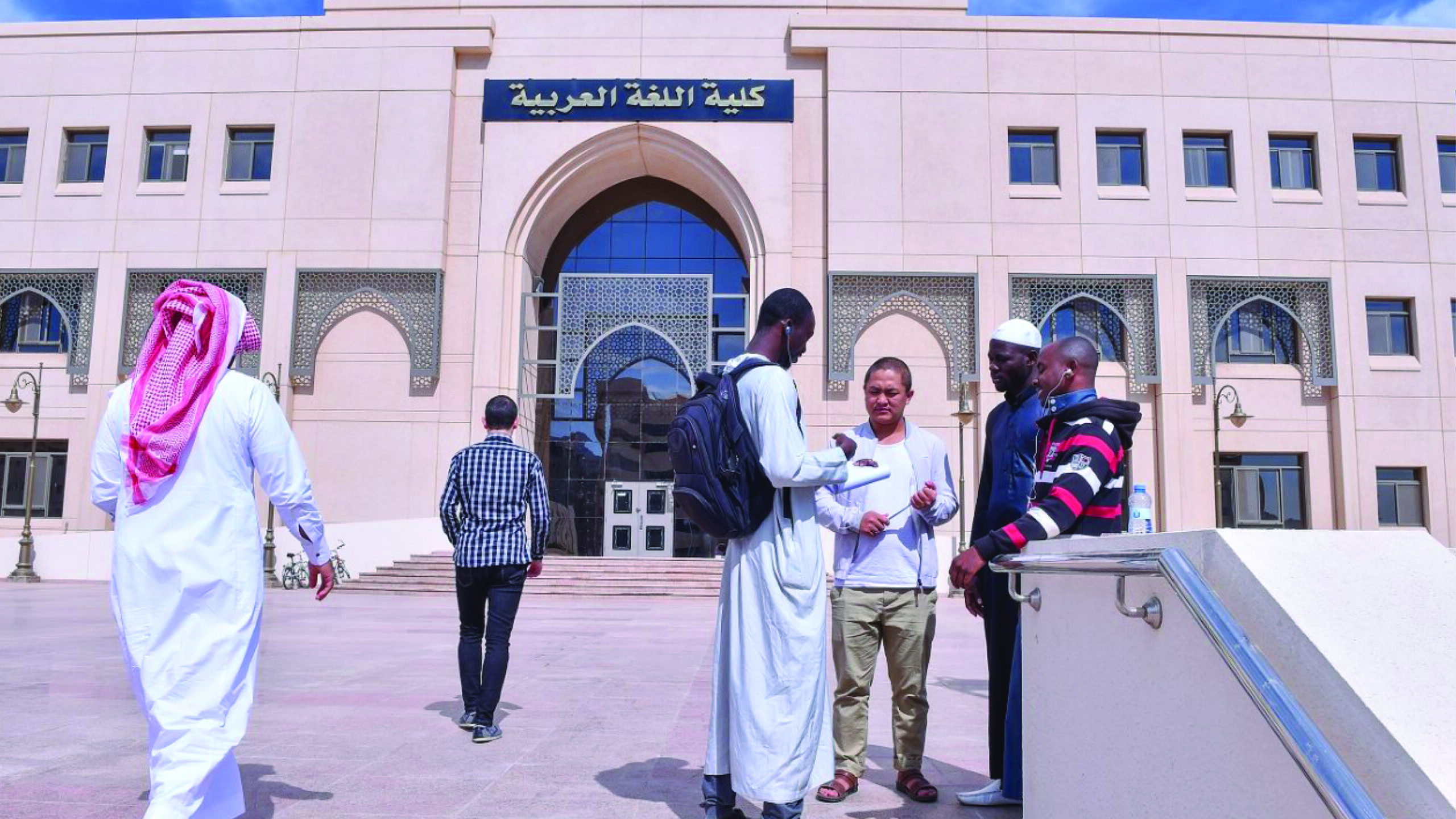
For decades, Morocco stood as a key religious and cultural leader across Africa, but today, it faces growing competition. Saudi Arabia, Qatar, Turkey, and Iran are deploying substantial financial resources to expand their influence, particularly through religious institutions and social initiatives.
Financial muscle meets religious outreach
These nations are leveraging their wealth to fund mosque construction, religious education programs, and large-scale charitable initiatives. Saudi Arabia, in particular, has significantly increased its investments in religious infrastructure, aiming to promote its interpretation of Islam and strengthen its soft power on the continent.
Qatar, with its vast natural gas reserves, has also made strategic inroads by supporting educational and religious institutions across West and Central Africa. Meanwhile, Turkey has adopted a multifaceted approach, combining religious outreach with economic and political engagement to extend its reach.
Religion as a geopolitical tool
The battle for influence in Africa is not just economic or political—it’s deeply rooted in religion. By funding mosques, training imams, and distributing religious literature, these countries are embedding their cultural and ideological values in African societies. The results are already visible in countries where religious practices are intertwined with daily life.
However, this competition is not without risks. The influx of foreign funding can sometimes create tensions, particularly when local traditions clash with imported religious practices. Additionally, the long-term impact of these investments remains uncertain, as African nations navigate their own religious and political identities.
A shifting balance of power
While Morocco has long been a dominant force in African Islam, the rise of these competitors is forcing a reevaluation of its strategy. The kingdom, once seen as the uncontested leader, must now contend with rivals who are not only wealthier but also more agile in adapting to local needs.
As the competition intensifies, Africa finds itself at the center of a new geopolitical struggle—one where religion, finance, and soft power converge to shape the continent’s future.