
From aid dependency to investor magnet: how Chad unlocked $20.5 billion for its future
In an era when global funding streams are shrinking and public development aid is receding, Chad has defied expectations by mobilising an unprecedented volume of private capital. The African Development Bank’s African Economic Outlook 2026 confirms that the country’s National Development Plan (PND) requires a total of $30 billion in financing, with the private sector already committing $16.4 billion. By November 2025, N’Djamena had finalised 46 financing agreements worth $20.5 billion, including 40 memoranda of understanding totalling an additional $4.1 billion. For a nation ranked 190th on the 2025 Human Development Index, this achievement is nothing short of remarkable.
A three-pronged financing blueprint
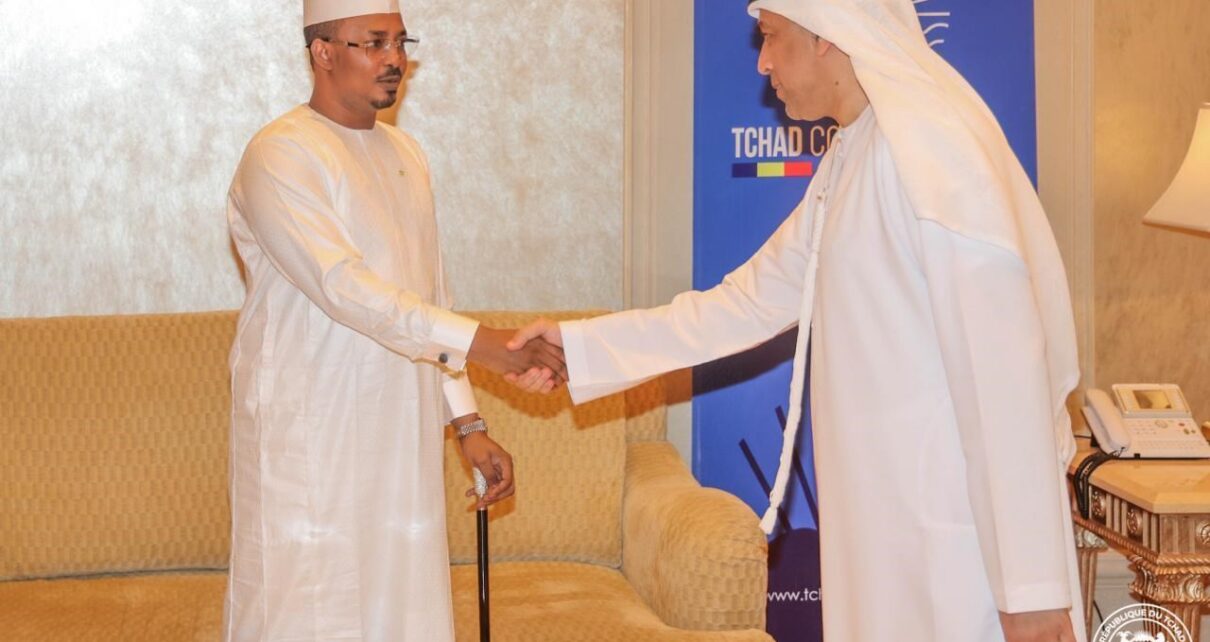
The strategy behind this success hinges on a deliberate diversification of funding sources—a model few Central African Economic and Monetary Community (CEMAC) countries have matched. Official reports highlight a carefully orchestrated diplomatic initiative that forged deeper ties with the United Arab Emirates and the Islamic Development Bank, unlocking a previously untapped stream of Islamic finance across the region. At the same time, Chad reinforced traditional multilateral support from institutions like the IMF and World Bank while cultivating new South-South partnerships with Middle Eastern partners. This blend of Western, Islamic and South-South financing creates a unique funding architecture for Central Africa.
Fiscal discipline as a growth catalyst
Chad’s ability to attract such substantial private investment is also rooted in its strict fiscal discipline. Despite hosting over 1.5 million Sudanese refugees, the government maintained a budget deficit below the 3 % CEMAC threshold in 2025. Public debt remains modest at 32 % of GDP—one of the lowest in the CEMAC zone. This fiscal prudence, coupled with tax base expansion reforms and digitalised revenue collection, sent a strong signal of reliability to international investors, a feat even wealthier economies struggle to replicate.
What Chad’s success means for investors and policymakers
For development partners, Islamic financial institutions and private equity firms eyeing Central Africa, Chad’s experience offers a practical roadmap: massive private capital mobilisation does not require a mature financial market or high per capita income. N’Djamena’s next priorities include attracting private equity capital and strengthening the regulatory framework to sustain this momentum. With $20.5 billion now secured, the country stands at the threshold of an economic transformation that regional and global institutions are closely monitoring.