returning home: dogon communities in Mali resume life under new rules
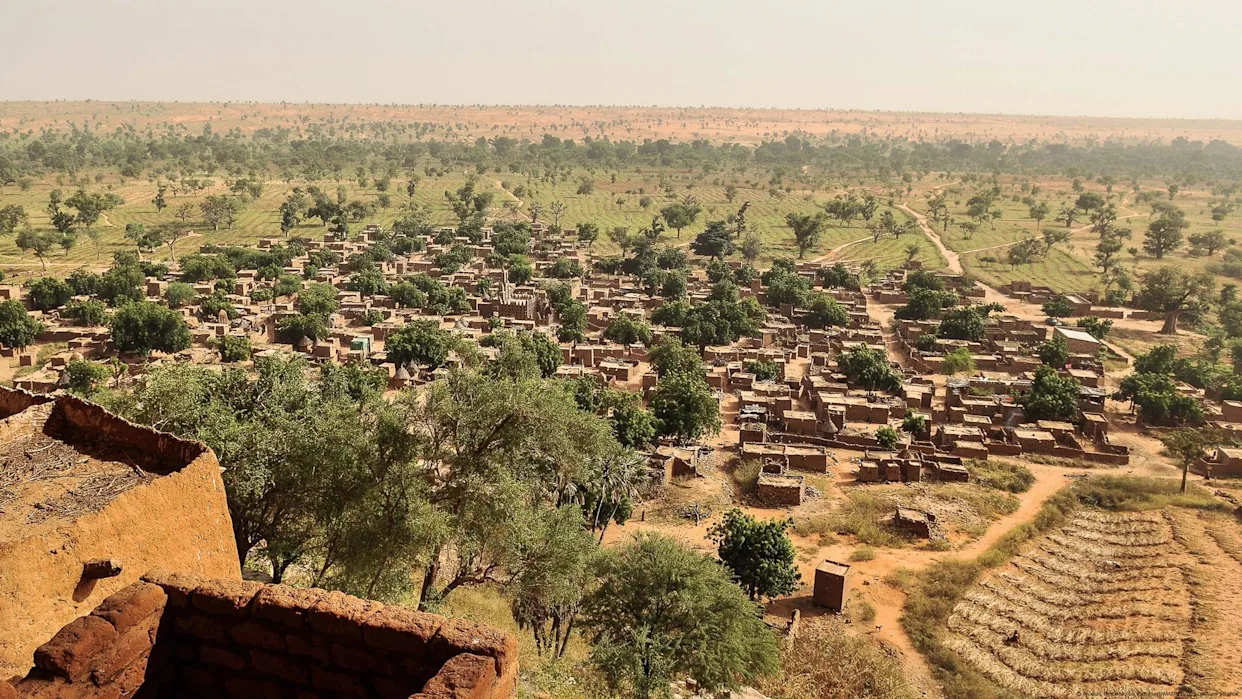
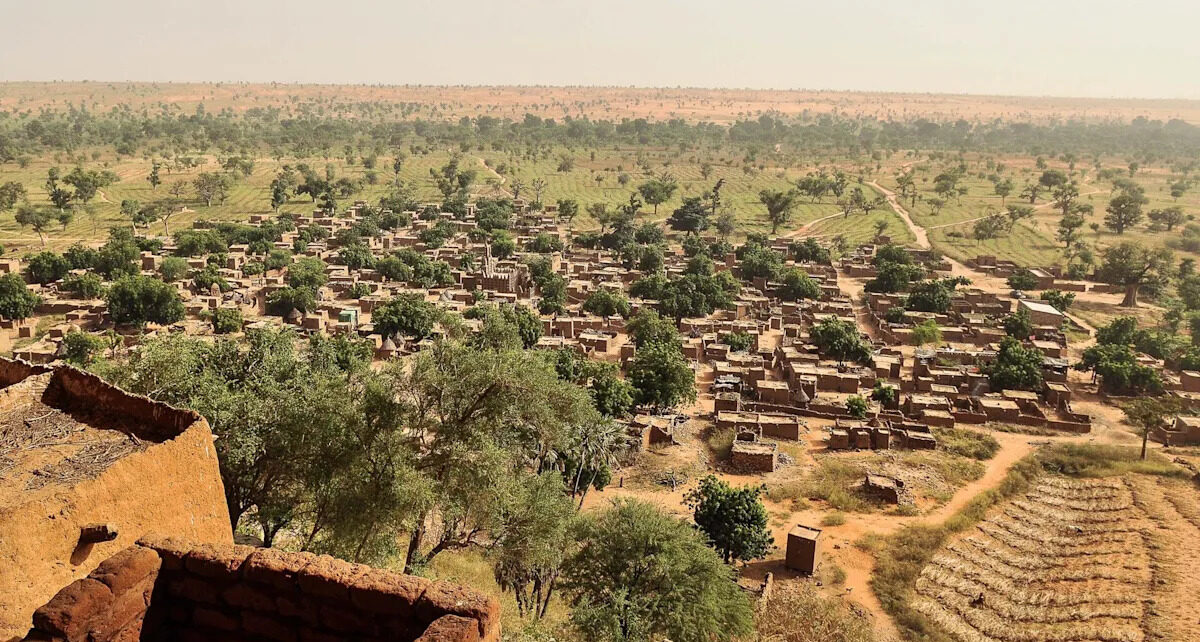
Tens of thousands of displaced Dogon and Fulani families are trickling back to their villages in Mali’s Bankass district, returning under local agreements struck with the Group for the Support of Islam and Muslims (JNIM), an al-Qaeda affiliate. After years of conflict-driven displacement, communities are cautiously resuming daily life—though not without concessions.
The return is conditional. In exchange for regaining access to homes and farmland—critical as the June rains begin—families must adhere to rules imposed by the armed groups. Among the strictest are dress codes: men must wear shorter trousers, and women are required to wear the Islamic veil. Western-style education is banned, with public schools closed and replaced by religious instruction.
strict dress codes and banned schooling
The new norms extend beyond clothing. Daily prayers are enforced, and men must avoid long pants. Schools that once taught national curricula now stand shuttered. For many returning families, this means abandoning formal education entirely—especially in villages where classrooms were destroyed during earlier waves of violence.
One teacher from Bare Darsalam village, who asked to remain anonymous, returned after seven years away. He came back alone—without his wife or children. He described the damage left behind: « Our school was destroyed in 2019 when we fled. Everything was broken. Even if we rebuilt it today, we wouldn’t agree to reopen it under these conditions. We’ve only resumed farming because local leaders promised protection. As for short pants or veils—we haven’t started following those rules yet. We still don’t know if we’ll have to adopt them.»
farmers return as rains begin
Allaye Guindo, mayor of the urban commune of Bankass, confirmed that the agreements have triggered a wave of returns. Thirteen villages—including Kani Bozon and areas in Dimbal—have seen residents come back. With the rains now falling, many have already begun planting their fields in safety. « Thanks to these local understandings, people are coming back to every abandoned village. We’re seeing movement in areas we thought lost. Now, with the first showers, former residents are cultivating their land again—and they’re relieved,» he said.
Under the terms of the accords, community leaders and local elites are expected to align with the armed groups’ interpretation of Islamic law. While the return brings relief, the long-term impact on education, women’s rights, and cultural identity remains uncertain. For now, survival takes priority over principle.