- Home
- Geopolitical debates
- rising tensions in Mali: can a political solution emerge?
rising tensions in Mali: can a political solution emerge?


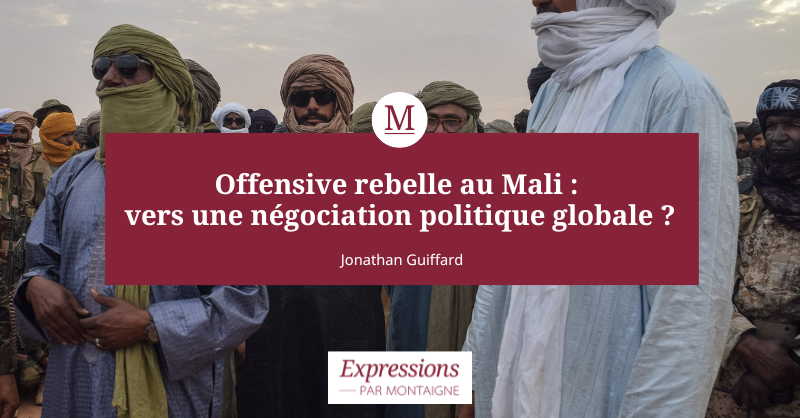
Mali’s military junta, led by Assimi Goïta and backed by Russian forces, faces unprecedented pressure following coordinated attacks on April 25, 2026 by Al-Qaïda-affiliated Jama’at Nusrat al-Islam wal-Muslimin (JNIM) and the Azawad Liberation Front (FLA). Northern cities are falling under rebel control, raising fears of a return to 2012’s territorial fragmentation. With Bamako under siege and key officials killed or wounded, what strategic shifts are unfolding? How will Russia respond, and can Europe adapt to a potential jihadist proto-state in Mali?
The April 25, 2026 offensive marked a coordinated assault on five strategic Malian locations—Bamako, Kidal, Gao, Sévaré, and Mopti—uniting jihadist and separatist factions in their most ambitious operation since 2012. Unlike past skirmishes, this assault demonstrated a tactical shift toward sustained pressure on the junta, targeting both military installations and symbolic sites in the capital.
Critical developments from the offensive include:
- Northern cities under rebel control: Kidal, Tessalit, Anéfis, and surrounding areas have fallen, encircling Gao and Tombouctou. Russian-backed bases in the north remain contested but isolated.
- Direct blows to the junta leadership: Defense Minister General Sadio Camara was killed, while State Security Agency chief General Modibo Koné was wounded. President Goïta reportedly evacuated to Turkey before reappearing publicly with Russian counterparts on April 28.
- Internal fractures exposed: Rumors of a coup attempt by General Malick Diaw surfaced, highlighting growing instability within the junta ranks.
While parallels exist with the 2012 crisis, key differences emerge in the rebels’ approach:
- Unified communication strategy: Unlike 2012, JNIM and FLA now coordinate messaging, with FLA leaders openly visible while JNIM commanders remain in the shadows.
- Negotiated surrenders over violence: Rebel forces are offering safe passage to Malian troops, positioning themselves as protectors against junta abuses rather than perpetrators of mass violence.
- Russian mercenary negotiations: Reports indicate agreements allowing Russian forces to withdraw from northern bases without resistance, potentially facilitated by Algerian mediation.
- Dual-front strategy: While northern cities faced direct assault, Bamako experienced prolonged attacks to stretch military resources thin.
“The coordinated withdrawal of Russian forces from northern bases suggests a tactical retreat rather than defeat, with potential implications for the junta’s long-term stability.”
Strategic shifts and evolving power dynamics
The offensive reveals a calculated evolution in rebel tactics. Rather than immediate territorial control, the strategy appears focused on strangulation and pressure points—blockading Bamako and isolating key northern cities through encirclement. Civil society voices, including politicians Oumar Mariko and former ministers Mamadou Ismaïla Konaté and Mahmoud Dicko, have renewed calls for negotiations, criticizing the junta’s reliance on military force alone.
The Islamic State’s Wilaya Sahel (EIWS) faction, though not part of the offensive, remains a persistent threat in the northeast, having recently clashed with Russian-Malian forces in Ménaka. Meanwhile, the junta’s counteroffensives have yielded limited results, with Russian allies facing criticism over their handling of recent defeats like Tinzawatene in July 2024.
Anticipated scenarios and Mali’s future
Military analysts had warned of this trajectory as early as 2022, when Russian military support proved ineffective against jihadist expansion. The current offensive aligns with previous assessments:
- Northern Mali’s fall appears inevitable, with Gao and Tombouctou likely to follow Kidal’s lead if Russian forces withdraw.
- The junta’s Russian partnership is weakening, with internal fractures exacerbated by the loss of key allies like Camara and Koné.
- Civilian pressure for negotiations is mounting, though junta repression since 2020 makes organized opposition difficult.
In the medium term, two key factors will shape Mali’s trajectory:
- Negotiations or regime change: The junta’s survival hinges on either securing new alliances or accepting political compromise.
- External intervention prospects: With Western powers unlikely to return and regional armies constrained by their own insurgencies, diplomatic solutions offer the only viable path forward.
“The siege of Bamako represents a deliberate effort to collapse the junta’s legitimacy rather than achieve immediate territorial conquest.”
Europe’s stake in Mali’s crisis
For European policymakers, the emergence of a jihadist proto-state in northern Mali presents a complex challenge. Unlike 2012, when Western intervention was a plausible response, the current landscape offers no clear military solution. Key considerations include:
- Containment rather than eradication: The focus must shift to preventing external threats while accepting de facto rebel control over northern territories.
- Regional alliances: Countries like Algeria and Mauritania may play mediating roles, though their interests don’t align with a strong Malian state.
- Long-term monitoring needs: European security services must prepare for potential spillover effects, requiring enhanced cooperation with African partners.
Ultimately, the most probable outcome remains a negotiated settlement, though the terms remain unclear. The junta’s survival depends on either securing new alliances or accepting a power-sharing arrangement that accommodates rebel demands for autonomy and Islamic governance in northern regions.