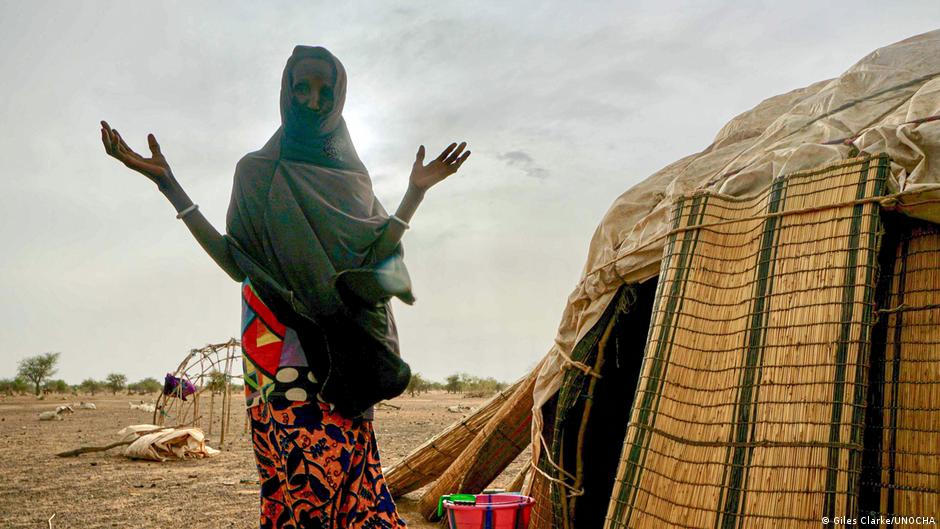
One in five Sahel residents faced hunger in 2025
West Africa’s Sahel region continues to grapple with a deepening hunger crisis, with new data revealing that one in five inhabitants suffered from food insecurity throughout 2025. The situation marks a disturbing escalation in a fifteen-year trend of worsening malnutrition across the region.
Northern Mali has emerged as the epicenter of this crisis, with Action Against Hunger’s regional coordinator for West and Central Africa, Fanta Touré Diop, warning of the urgent need for coordinated intervention. The humanitarian leader highlighted multiple converging factors driving this emergency, including persistent security threats, extreme weather patterns, and a critical shortfall in international funding.
Root causes of the Sahel hunger crisis
“The figures reveal an alarming deterioration in food and nutritional security,” Diop emphasized. “Several compounding factors are at play in West and Central Africa, particularly across the Sahel belt.”
The security vacuum in northern Mali has triggered massive internal displacement, with families fleeing conflict zones to safer areas like Bamako and Sikasso. These movements have placed immense pressure on host communities while disrupting agricultural cycles that communities depend on for survival.
Climate change compounds these challenges, with erratic rainfall patterns and prolonged droughts devastating crops across the region. “The Sahel’s vulnerability to climate shocks has reached unprecedented levels,” Diop noted.
Financial constraints further hamper response efforts, with development and emergency funding for the region plummeting. “The gap between needs and available resources has never been wider,” she added.
Northern Mali bears the brunt of the crisis
Northern Mali remains the hardest-hit area, where insurgent activities have made access to food and humanitarian aid nearly impossible. “The region’s displaced population has swelled to crisis levels,” Diop reported. “Families who once relied on farming now find themselves completely dependent on external assistance.”
The malnutrition rates among children and women have skyrocketed, with 11.3 million vulnerable individuals requiring immediate nutritional support. Across the Sahel, 24.3 million people now require food and protection assistance, while only 21% of the required $3.7 billion budget has been secured.
Pathways to resilience and recovery
Diop stressed that political leadership must drive the solution. “Governments must prioritize this crisis through robust policy frameworks and data-driven planning,” she urged. “The Malian government has taken commendable steps but requires strengthened collaboration with international partners, local civil society, and the United Nations system.”
While emergency food assistance remains critical, experts emphasize the need for long-term strategies that build community resilience. This includes investing in climate-smart agriculture, improving market access for smallholder farmers, and strengthening social protection systems.
The 2025 hunger crisis in the Sahel demands urgent, collective action. Without immediate intervention and sustained commitment, the region risks deepening instability and irreversible human suffering.