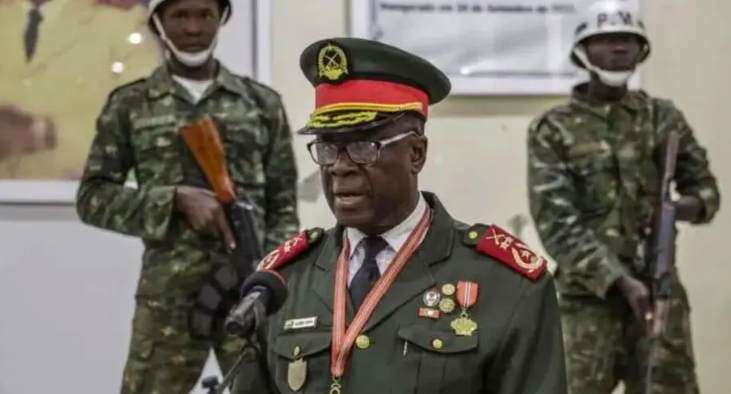
The government of Senegal has launched a high-level diplomatic mission to Guinea-Bissau, marking its proactive engagement in resolving the neighboring country’s ongoing institutional crisis. The delegation, comprising top Senegalese officials, met with Guinea-Bissau’s transitional leader, General Horta Ntam, to lay the groundwork for structured negotiations ahead of the constitutional referendum scheduled for August 30.
Senegal’s diplomatic push to restore constitutional order
This mission represents Senegal’s first major diplomatic initiative since the Economic Community of West African States (ECOWAS) designated it as the lead mediator during a regional summit held in Freetown last month. The delegation was led by Foreign Minister Cheikh Niang, accompanied by Defense Minister Yankoba Diémé, signaling the seriousness of Senegal’s commitment to facilitating a return to constitutional normalcy in Guinea-Bissau.
During the meeting, Cheikh Niang outlined the framework of a West African-backed initiative designed to support Guinea-Bissau’s transition process. The approach includes phased consultations aimed at ensuring a smooth electoral process and the eventual restoration of civilian governance. Both parties agreed to maintain close communication to formalize the negotiation process in the coming weeks.
Guinea-Bissau’s path to political normalization
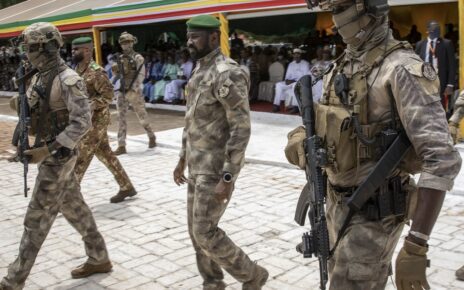
Guinea-Bissau has been grappling with institutional paralysis since the military coup on November 26, 2025, which ousted President Umaro Sissoco Embalo and suspended all electoral proceedings. The transitional government has since prioritized legal preparations for the upcoming constitutional referendum, which will serve as the first concrete step toward restoring democratic processes. The international community is closely monitoring the situation, with regional stakeholders emphasizing the importance of a peaceful and inclusive transition.
The referendum, slated for August 30, 2026, will focus on constitutional reforms, setting the stage for broader political reconciliation and the eventual return to civilian rule. Senegal’s intervention underscores the critical role of regional cooperation in addressing political instability in West Africa.