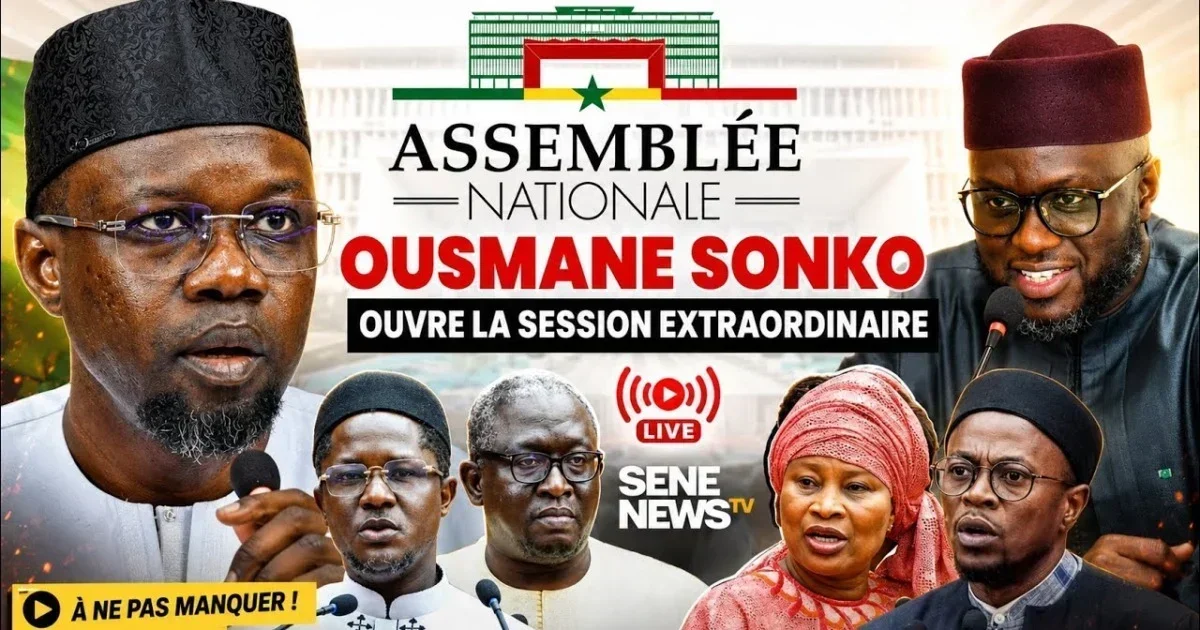
Senegal’s national assembly opens extraordinary session with Sonko-led probes
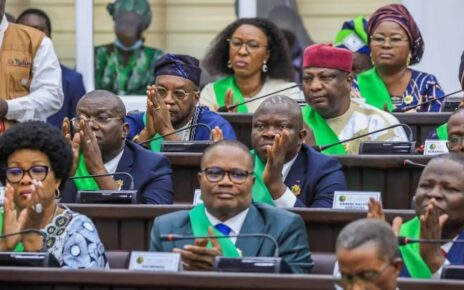
The Senegalese National Assembly has convened an extraordinary session, marking a pivotal moment in the nation’s political landscape. This gathering follows a series of high-stakes developments, with Ousmane Sonko taking a leading role in initiating parliamentary investigations.
The session, which commenced today, centers on pressing national issues requiring urgent legislative attention. Among the key priorities, Sonko’s inquiries have been formally launched, signaling a shift in the assembly’s agenda toward accountability and transparency.

Key developments in the extraordinary session
The extraordinary session has been called to address multiple urgent parliamentary matters. One of the most significant actions has been the initiation of investigative committees, spearheaded by Ousmane Sonko. These probes aim to shed light on alleged administrative irregularities and financial discrepancies within government institutions.
The assembly’s agenda also includes debates on legislative reforms, with a focus on enhancing governance and combating corruption. Lawmakers are expected to deliberate on proposed amendments to existing laws, ensuring they align with the evolving needs of the Senegalese population.
Ousmane Sonko’s role in driving parliamentary inquiries
Ousmane Sonko, a prominent opposition figure, has emerged as a central figure in this session. His push for investigations reflects a broader demand for accountability in governance. The probes announced during the session are seen as a direct response to public concerns over transparency in public spending and resource management.
Sonko’s initiatives have garnered significant attention, with supporters hailing them as long-overdue measures to curb malpractice. Critics, however, argue that these investigations could further polarize an already divided political landscape.
What’s next for Senegal’s national assembly?
As the extraordinary session progresses, lawmakers are expected to finalize the scope of the investigations and outline timelines for their completion. The outcomes of these probes could have far-reaching implications for Senegal’s political future, influencing both public trust in institutions and the trajectory of legislative reforms.
The session’s proceedings will be closely watched by citizens, civil society groups, and international observers alike, all keen to see whether these measures translate into tangible improvements in governance.