The recent International Monetary Fund (IMF) mission to Senegal has shed light on critical aspects of the country’s debt management and economic strategy. Discussions in Dakar focused on restructuring existing obligations while exploring sustainable pathways to address fiscal challenges. The engagement underscores the urgency of balancing debt servicing with development priorities amid evolving economic conditions.

Key outcomes from the IMF’s visit to Dakar
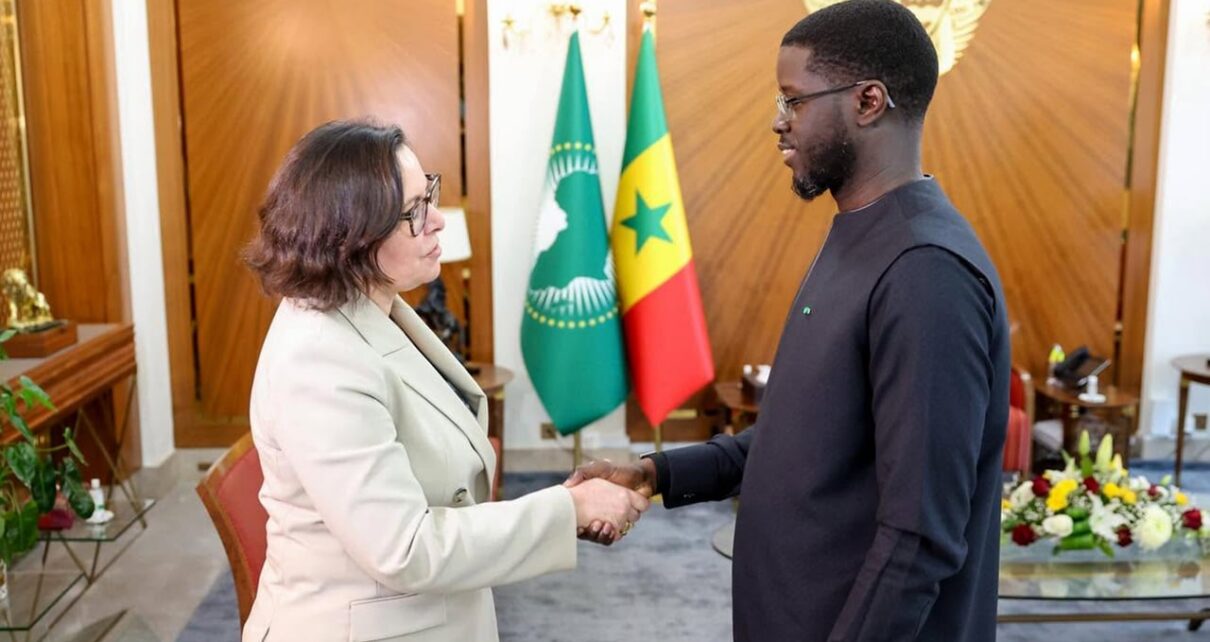
The IMF team, headed by Mercedes Vera Martin, engaged in high-level talks with President Bassirou Diomaye Faye and senior government officials. The agenda covered several pressing issues:
- Debt restructuring — Negotiations centered on renegotiating terms to ease repayment burdens, particularly for hidden debt accumulated in previous years.
- Fiscal transparency — Commitments were made to enhance budgetary clarity, ensuring future borrowings adhere to international standards.
- Economic reforms — Proposals included measures to strengthen revenue collection and streamline public expenditure.
- Growth-oriented financing — Discussions explored ways to align debt policies with long-term development goals, such as infrastructure and social programs.
Challenges and opportunities in Senegal’s debt landscape
The Senegalese government faces a delicate balancing act. While public debt remains a concern, the administration is leveraging these negotiations to secure more favorable terms. The IMF’s involvement provides a framework for accountability, but it also demands stringent reforms. Bassirou Diomaye Faye’s administration has reiterated its commitment to reform, signaling a willingness to collaborate despite economic headwinds.
However, the path forward is not without hurdles. Critics argue that hidden debt— undisclosed financial obligations—could undermine trust in future agreements. Addressing this issue is paramount to restoring credibility with international partners and investors alike.
Next steps: what to expect in the coming months
The IMF mission concluded with a framework for continued engagement. Over the next quarter, Senegal must demonstrate tangible progress in three critical areas:
- Policy implementation — Rapid execution of agreed reforms to unlock additional financing.
- Debt transparency — Full disclosure of all financial obligations to prevent future surprises.
- Stakeholder alignment — Ensuring alignment between government priorities, private sector needs, and international expectations.
As Senegal navigates these challenges, the outcome of these negotiations will shape its economic trajectory for years to come. The stakes are high, but so are the opportunities for sustainable growth.