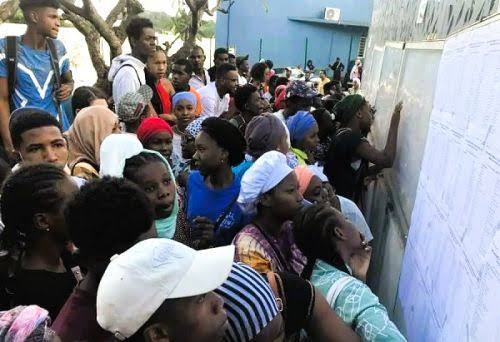
N’Djamena, Chad — The announcement of the 2026 baccalaureate results has left many candidates in Chad facing stark realities. While some celebrate their hard-earned success, others are confronted with disappointment, underscoring the competitive nature of this year’s examinations.
More than half of candidates advance, but challenges persist
A total of 106,231 students registered for the 2026 baccalaureate across all streams, according to figures from the National Office for Higher Education Examinations and Competitions. Of these, 27,872 candidates secured direct admission, representing a 26.24% success rate. An additional 32,722 candidates, or 30.80%, qualified for supplementary or oral examinations, bringing the overall pass rate to 57.04%. However, 45,637 candidates—nearly 42.96%—did not progress beyond the initial stage, highlighting the exam’s rigorous standards.
Performance varies widely across academic streams
Success rates fluctuated dramatically depending on the stream. The DA stream led with a 79.28% direct admission rate, followed by AB at 73.42% and CA at 60.87%. In stark contrast, streams like G2A and D lagged far behind, with direct admission rates of just 11.76% and 23.32% respectively. The D stream, which had the highest number of candidates at 25,952, also recorded one of the lowest success rates.
Behind the numbers: systemic hurdles and personal struggles
The high failure rate is not merely a reflection of individual effort but also of broader systemic challenges. Many candidates faced obstacles such as limited access to quality teaching materials, large class sizes, economic hardships, and interruptions in their education. Stress and inadequate preparation further compounded these difficulties. These realities underscore that success in public examinations is as much about opportunity as it is about ability.
Failure is not final: turning setbacks into stepping stones
For those who did not pass, the road ahead may seem uncertain, but it is far from hopeless. History shows that many successful figures once stumbled at this very juncture. With renewed focus, disciplined study, and targeted support—such as tutoring or counseling—these candidates can rebuild their confidence and prepare for future attempts. Educational authorities, schools, and families play a crucial role in providing the necessary guidance and resources to help students overcome these setbacks.
Candidates who qualified for supplementary exams must also remain vigilant. A second chance awaits, but it demands the same level of commitment and diligence as the first attempt. The 2026 baccalaureate results in Chad are not a verdict on potential, but rather a call to action. As the saying goes, ‘A fall is not the end of the journey—it is the refusal to rise that seals one’s fate.’