In the ever-evolving political arena of Côte d’Ivoire, the Rassemblement des Houphouëtistes pour la Démocratie et la Paix (RHDP) has emerged as a dominant force, reshaping the nation’s democratic narrative. This political coalition, born from the vision of a united front, now stands as a testament to strategic consolidation in West African governance.
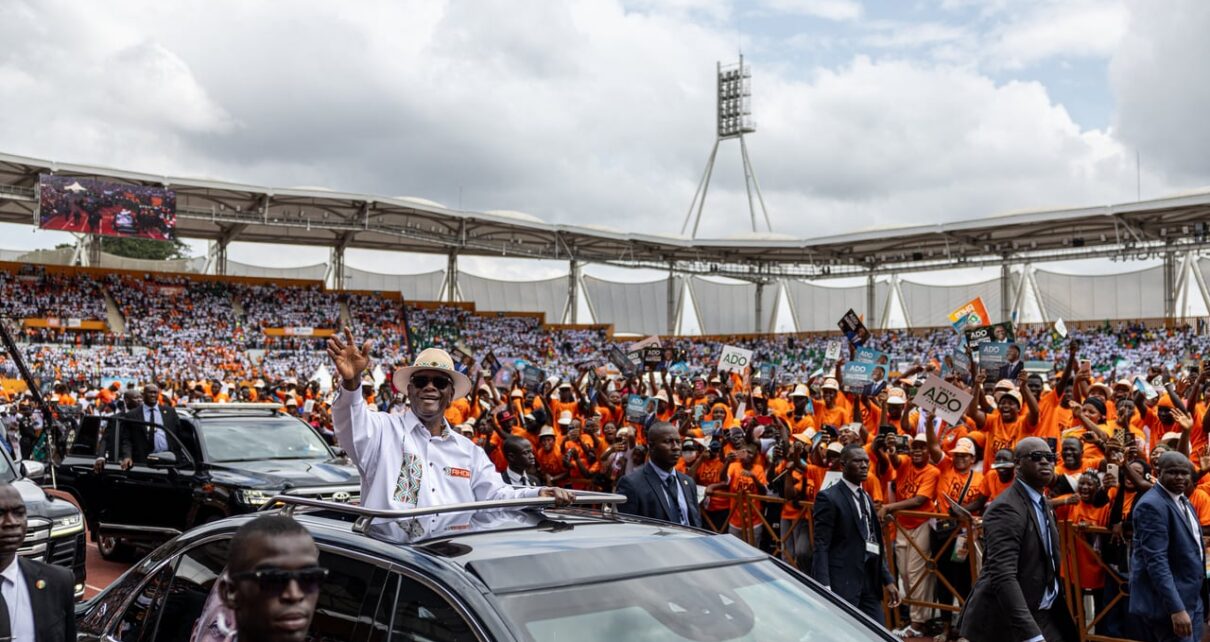
From its inception, the RHDP has been more than just a political alliance—it has become a machine politique that commands attention. Under the leadership of key figures like Alassane Ouattara, the coalition has navigated the complexities of Ivorian politics with precision, blending ideology with pragmatism to secure its place at the helm of the country’s future.
The genesis and evolution of the RHDP
The RHDP’s journey began as a response to the fragmented political landscape of Côte d’Ivoire. Originally formed to unite various factions under a shared democratic vision, it quickly evolved into a formidable entity. The coalition’s ability to adapt and expand has been pivotal in its rise, absorbing smaller parties and consolidating support from diverse voter bases.
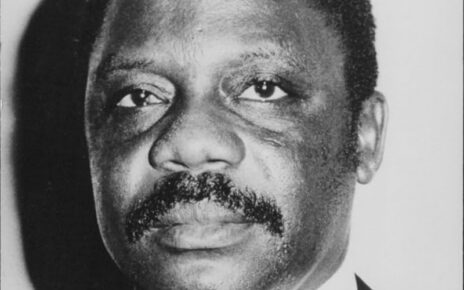
Central to its foundation was the legacy of Félix Houphouët-Boigny, the nation’s first president, whose ideals of unity and stability continue to influence the RHDP’s policies. The coalition’s early years were marked by strategic alliances, including those with Henri Konan Bédié and figures linked to Laurent Gbagbo, reflecting a broader ambition to transcend ethnic and regional divides.
Key strategies behind its political dominance
The RHDP’s success can be attributed to several strategic maneuvers. First, its ability to unite disparate political factions under a single banner has minimized infighting and maximized electoral efficiency. This unity has allowed the coalition to present a cohesive platform to voters, emphasizing stability and economic progress.
Second, the RHDP has leveraged the charisma and political acumen of its leaders, particularly Alassane Ouattara, whose tenure has been marked by efforts to modernize Côte d’Ivoire’s infrastructure and economy. These initiatives have resonated with both urban and rural voters, reinforcing the coalition’s appeal.
Third, the RHDP has maintained a strong grassroots presence, ensuring that its message reaches every corner of the country. This ground-level engagement has been crucial in building a loyal voter base that transcends generational and regional lines.Challenges and the path forward
Despite its dominance, the RHDP faces ongoing challenges. Internal cohesion remains a test, as differing factions within the coalition occasionally vie for influence. Additionally, the political landscape of West Africa is fraught with unpredictability, requiring the RHDP to continuously adapt to shifting dynamics.
Looking ahead, the coalition’s ability to address these challenges will determine its longevity. By focusing on inclusive governance and sustainable development, the RHDP can solidify its position as a cornerstone of Côte d’Ivoire’s political future. For now, it stands as a powerful example of how strategic unity can shape a nation’s destiny.