
Understanding the Sahel’s impact
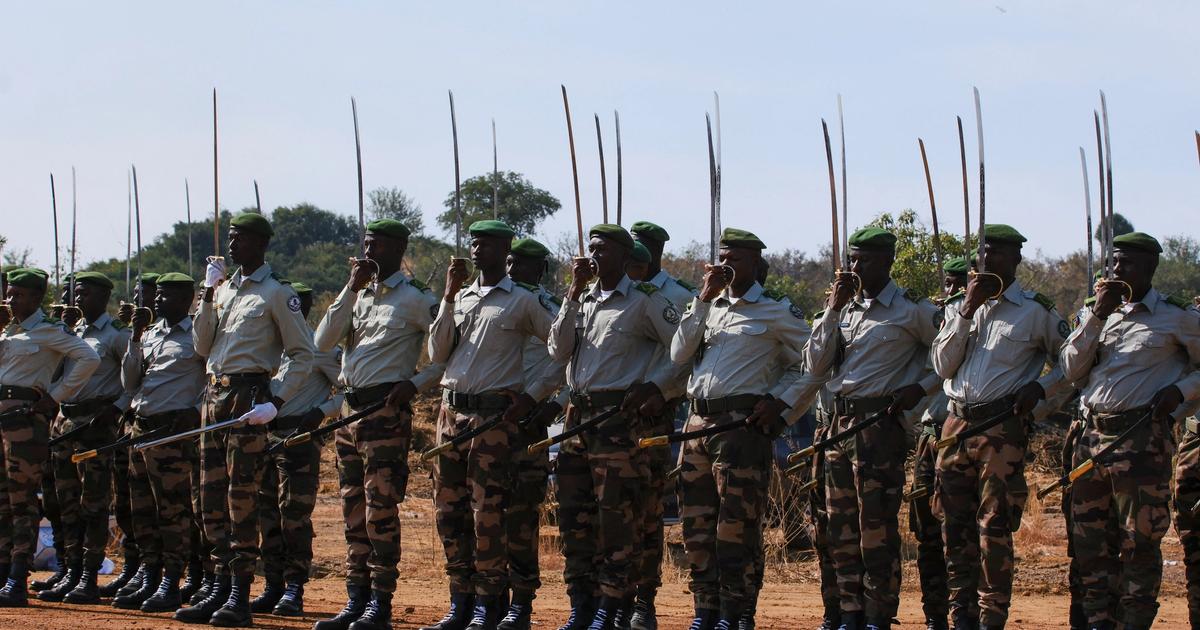
Mali’s military government, supported by Moscow, faces an existential threat following recent coordinated attacks by jihadist and Tuareg groups. These assaults resulted in the death of the defense minister and compelled Russian mercenary forces to withdraw from the northern regions. Such escalating instability fuels concerns about a potential surge in migration towards Europe and a broader security breakdown throughout the Sahel.
The recent attacks starkly highlighted the profound fragility of Mali’s ruling junta, casting serious doubt on its long-term viability. However, the repercussions of a destabilized Mali, exacerbated by the wider economic effects of the Iran war, are projected to extend far beyond its national boundaries, intensifying an already critical security situation across this highly volatile global region.
The potential for insecurity to permeate the permeable borders of West Africa, potentially impacting even stable democracies like Senegal and Ghana, is a genuine concern. The severe hardship inflicted by insurgent groups operating in vast, ungoverned territories will inevitably displace populations.
This escalating crisis does not occur in isolation. Fuel price surges stemming from the Iran war are set to deepen Mali’s existing economic woes, rendering daily life unsustainable for many, as the landlocked nation’s government struggles to finance essential imports. Consequently, a significant number of people will seek opportunities elsewhere. European nations must prepare for increased migration flows from the Sahel, particularly as the ongoing Middle East conflict contributes to the eurozone experiencing a challenging combination of stagnant growth and elevated inflation.
Crucially, the Sahel, despite its geographical distance, remains interconnected. Millions of Malians and Burkinabe currently reside and work in countries like Senegal and Côte d’Ivoire. In the months ahead, more individuals are anticipated to move to these former French colonies, seeking refuge from dire conditions at home, which will intensify competition for employment. Data from Frontex, the European border agency, indicates that Malians are already a leading nationality among those reaching Spain’s Canary Islands, a vital transit hub for African migrants journeying to Europe.
For over ten years, Mali has endured a protracted crisis, contending with a persistent jihadist insurgency, the devastation of agricultural land due to climate change, and the near disintegration of state structures after coups in 2020 and 2021. The compounded instability of recent times, coupled with the ineffective performance of Russian forces deployed after Mali dismissed French and European Union troops, paints a pessimistic picture for the immediate future.
The withdrawal of Russian personnel from significant portions of northern Mali is expected to create opportunities for jihadist factions to establish training facilities within these expansive, vacated areas. This development could facilitate their further territorial expansion, a prospect that deeply concerns Algeria.
Should a governance void emerge in the northern regions, it would undoubtedly benefit illicit networks involved in arms dealing, drug smuggling, and human trafficking. These groups frequently traverse Mali and neighboring Niger, utilizing them as conduits to Libya and Mauritania, which serve as primary transit corridors from sub-Saharan Africa to European destinations.
The insurgency has already extended its reach to neighboring Burkina Faso and Niger, with jihadist elements now encroaching upon Gulf of Guinea nations such as Benin and Togo. These coastal states possess far stronger links to global trade networks than the landlocked Sahel. Operating with considerable freedom, these insurgents routinely cross borders and exert significant control over vast rural areas in Mali and Burkina Faso, now seemingly emboldened to set their sights on capital cities.
While jihadist forces currently lack the capacity to seize Bamako, the capital, the ultimate survival of Mali’s military government amidst these ongoing assaults remains uncertain. Indeed, the government’s effective authority over the nation appears largely confined to Bamako itself. This situation warrants serious attention from governments across West Africa and distant European capitals.

Notable developments
- Mali’s military chief, Assimi Goita, has reappeared after a period out of public view, concurrent with Russia’s assertion that it successfully thwarted a coup attempt.