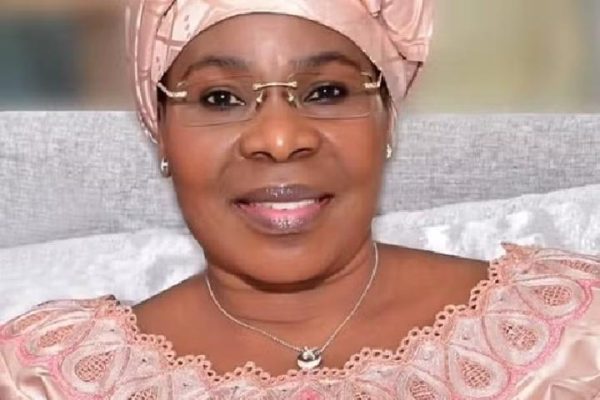
Since July 27, 2026, former Togolese defense minister Marguerite Gnakadé has refused all food behind bars to protest the treatment she says she endures as a political prisoner. Eleven months after her arrest for criticizing president Faure Gnassingbé’s governance, her protest amplifies the voices of about sixty detained opposition figures still held without trial.
On August 30, 2025, as protests erupted in Lomé over rising living costs and a constitutional amendment that shifted Togo to a parliamentary system, Marguerite Gnakadé took to the streets. The country’s first female defense minister (2020–2022) was quickly identified by security forces and briefly sent home. Weeks later, on September 17, 2025, she was arrested for publicly questioning Faure Gnassingbé’s fitness to lead.
From power to protest: a former insider at the forefront
Gnakadé’s trajectory made her an unlikely symbol of dissent. Appointed defense minister in October 2020 despite lacking a military background, she was also the late Ernest Gnassingbé’s widow—brother of the sitting president. Yet her ties to the ruling elite did not shield her once she chose to join, rather than suppress, the swelling opposition movement.
“We do not strike out of despair, but from conviction. When justice remains silent, our bodies become the final cry for freedom.” — statement from a group of hunger-striking political detainees, November 2025.
Hunger strikes spread amid reports of degrading prison treatment
Gnakadé’s protest follows a growing pattern. For over a year, hunger strikes have become one of the few tools available to Togolese political prisoners seeking to draw attention to their plight. In November 2025, thirty-seven detainees launched a collective fast. By December, activist Grâce Koumayi and dual national Abdoul Aziz Goma had endured fifty days without food in Lomé’s main prison, prompting prison authorities to make limited concessions. Human rights groups now demand immediate medical access for all striking detainees whose health is rapidly deteriorating.
Former officials behind bars: divergent fates
The cases of Marguerite Gnakadé, Kpatcha Gnassingbé, and General Félix Kadanga illustrate how political connections shape outcomes. Kpatcha, half-brother to the president and former defense minister, spent sixteen years jailed for an alleged coup attempt before receiving a presidential pardon in late December 2025. General Kadanga, former army chief of staff, has served since 2023 on a twenty-year sentence for alleged involvement in a colonel’s murder. Gnakadé remains the only one still imprisoned for expressing political dissent.
The constitutional overhaul that triggered a crackdown
Since March 2024, when Togo adopted a new constitution converting its government from presidential to parliamentary—allowing Faure Gnassingbé to continue leading as Council of Ministers president without term limits—the opposition has branded the change a “constitutional coup.” The reform galvanized the 2025 Gen Z protest movement, which authorities met with a heavy-handed crackdown and mass arrests, swelling the ranks of today’s “opinion prisoners.”
A December 2025 presidential pardon freed 1,511 detainees, a move hailed as a peace gesture. Civil society groups, however, estimate that roughly seventy prisoners still held on political grounds remain behind bars.
Civil society rallies behind hunger strikers
The campaign for the release of Togolese political prisoners, driven by groups like the “Don’t Touch My Constitution” coalition and opposition parties, continues unabated. Rights organizations report at least nine deaths in custody since the crackdown began and widespread evidence of torture. They are calling for immediate, unconditional release of all opinion prisoners and urgent medical care for hunger strikers—including Marguerite Gnakadé—whose condition has deteriorated after eleven months in detention.