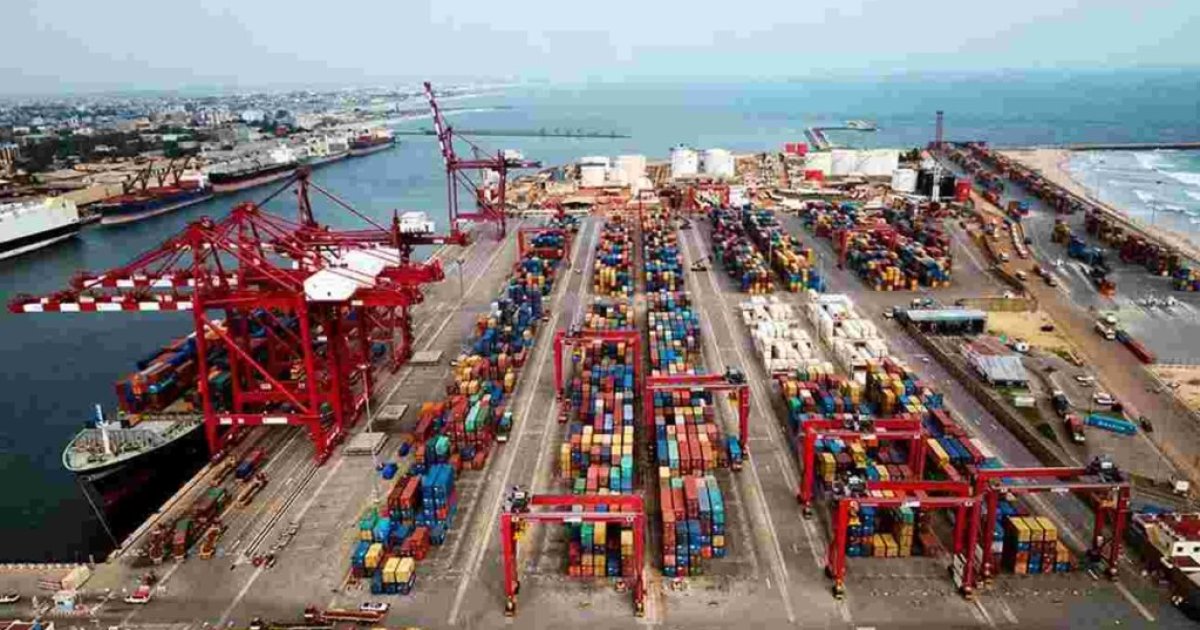
When Luxembourg pledged €15 million (over 9.8 billion FCFA) to Benin’s port workforce development through the CAP-PORT initiative, the announcement masked deeper strategic imperatives. The protocol, signed on the sidelines of the 81st UN General Assembly, was far more than a financial gesture—it represented a calculated bet on regional economic integration, youth employment, and Benin’s emerging role as a West African logistics hub.
What’s really fueling this Benin-Luxembourg port training alliance?
The €15 million allocation isn’t just an aid package—it’s a response to persistent gaps in Benin’s port sector. While the Autonomous Port of Cotonou handles over 80% of the country’s maritime trade, decades of underinvestment in technical training left local workers scrambling to meet modern logistical demands. The CAP-PORT program targets three critical shortages: specialized equipment operation, digital compliance, and safety protocols—skills that directly impact port efficiency and regional trade flows.
Unusually, the initiative blends development aid with economic strategy. Luxembourg’s vice-Prime Minister Xavier Bettel and Benin’s Economy Minister Hugues-Oscar Lokossou emphasized that 16% of the current bilateral portfolio—nearly €95 million—is now earmarked for this program. But the timing reveals even deeper motivations.
West Africa’s logistics puzzle: Why Benin?
Benin’s port of Cotonou sits at the crossroads of the Gulf of Guinea, connecting landlocked Niger, Burkina Faso, and northern Nigeria to international markets. As nearby ports like Lomé and Abidjan expand, Cotonou risks losing traffic to competitors offering faster customs clearance and better-trained labor. The CAP-PORT program is designed to prevent this shift by equipping Beninese workers with the skills to handle Europe-bound freight volumes and multimodal transport systems.
Who really benefits from the €15 million pledge?
The protocol’s stated beneficiaries—youth (18-35), women, unskilled laborers, and current port employees—are only part of the story. Behind the scenes, European logistics firms with Beninese operations now have a predictable pipeline of certified workers. This aligns with Luxembourg’s broader goal: securing a stable supply of trained personnel to support its shipping and logistics companies operating in francophone Africa.
The program’s focus areas—documentary compliance, digital systems, and equipment maintenance—echo the demands of global logistics giants. By funding these training modules, Luxembourg isn’t just investing in Benin’s future; it’s future-proofing its own corporate interests.
Yet the agreement leaves key operational details unresolved. Neither the number of beneficiaries, the training site location, nor the disbursement timeline has been finalized. Officially framed as a “commitment,” the €15 million remains unpaid—raising questions about whether the partnership is more aspirational than concrete.
What the missing details reveal about the partnership’s real priorities
Two critical omissions stand out. First, the absence of a dedicated training facility suggests the initiative may piggyback on existing institutions—a cost-saving move that delays implementation. Second, the lack of a clear beneficiary count indicates the program is still in its conceptual phase, with Luxembourg prioritizing long-term influence over immediate impact.
For observers tracking West African economic integration, these ambiguities signal a cautious, phased approach rather than a bold transformation. The €15 million, though substantial, is not a bailout—it’s a strategic placeholder, designed to position Benin as a logistics leader while giving Luxembourg leverage in shaping regional supply chains.
Beyond the press release: What actually changes on the ground?
- Skilled labor shortages addressed (eventually): By targeting equipment operation and digital systems, the program addresses the most critical bottlenecks in port productivity—though progress hinges on timely disbursement.
- European corporate interests aligned: Luxembourg’s investment ensures a steady stream of certified workers for EU-based logistics firms, reinforcing its role as a bridge between Europe and West Africa.
- Regional competition looms: Without measurable short-term results, Cotonou risks falling behind ports in Togo and Ivory Coast, which have more aggressive training and infrastructure initiatives.