
Billions of dollars in development loans secured for Cameroun remain untapped, raising questions about administrative hurdles and strategic delays. The funds, allocated by major international financial institutions, were intended to accelerate infrastructure and social programs across the country. Yet, despite repeated commitments, a significant portion of these resources has not reached its intended beneficiaries.
Where are the promised development funds?
Since 2020, Cameroun has secured over $4 billion in loans from the World Bank and the Afreximbank alone. These agreements were designed to modernize key sectors such as energy, transport, and healthcare. However, disbursement rates have consistently fallen short of expectations, with only a fraction of the approved amounts reaching project sites.
Officials cite bureaucratic bottlenecks and procedural delays as primary obstacles. Long approval cycles for project tenders, stringent compliance checks, and shifting regulatory frameworks have slowed progress. Meanwhile, local contractors and communities wait for tangible improvements that remain just out of reach.
Port of Douala: a case study in stalled progress
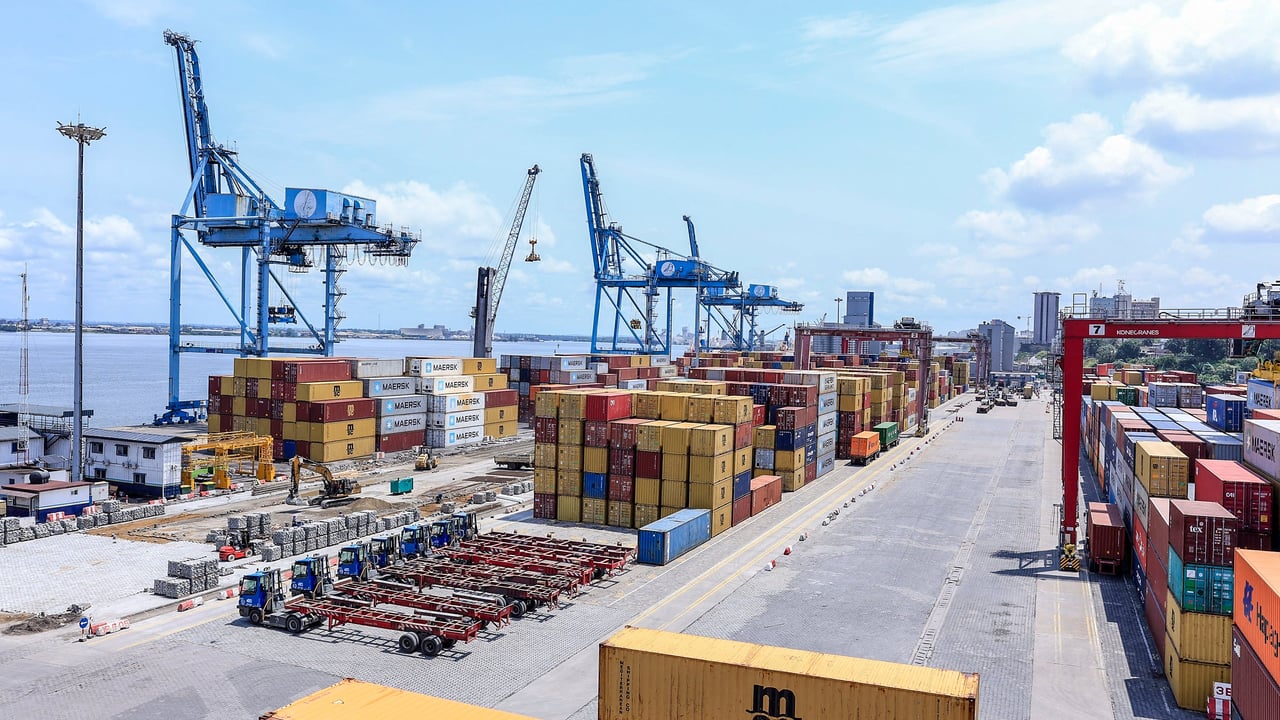
The autonomous port of Douala, a critical economic hub, exemplifies these challenges. Despite being allocated significant portions of development funding, expansion projects have been delayed by years. Port authorities acknowledge that while initial planning was swift, execution has been mired in red tape and funding gaps. The result? Increased congestion, higher operational costs, and missed opportunities for regional trade growth.
Who bears the cost of inaction?
The consequences extend beyond delayed infrastructure. Unutilized loans incur interest charges, increasing the country’s debt burden. Meanwhile, citizens face persistent deficits in essential services. Education, water supply, and road networks—all designated priorities in loan agreements—remain underdeveloped. The longer these funds remain idle, the steeper the long-term economic toll.
Can Cameroon unlock its development potential?
Experts argue that streamlining approval processes and fostering public-private partnerships could accelerate disbursement. Some projects have shown promise, such as the Lom Pangar Dam, which finally reached completion after prolonged delays. Still, systemic reforms are needed to ensure that future loans translate into visible progress.
For now, the billions earmarked for Cameroun’s transformation sit largely untouched. As the nation grapples with economic pressures, the urgency to mobilize these resources grows more pressing by the day.