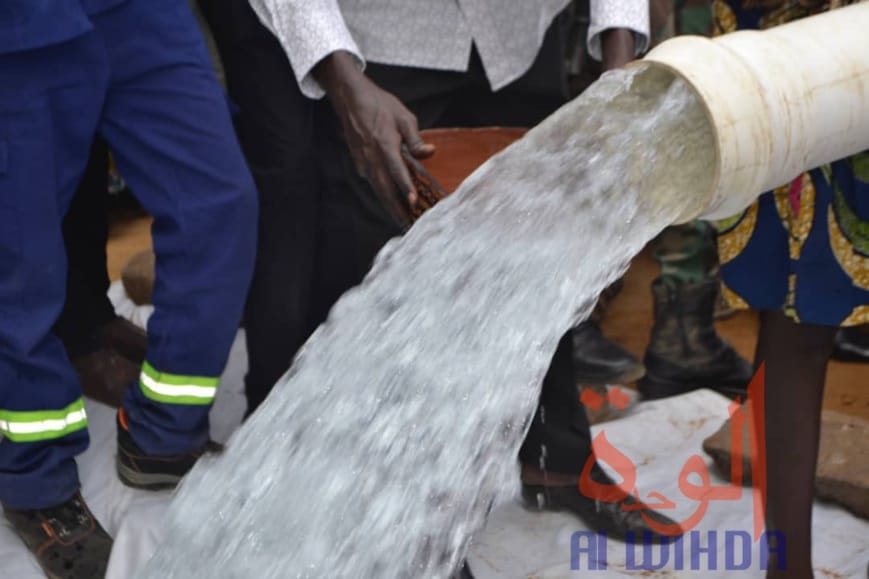
The World Bank is stepping up its commitment to Chad by launching a $160 million initiative aimed at securing water access and boosting climate resilience in the country’s most vulnerable regions. This funding will directly benefit one million people, with women representing over half of the targeted beneficiaries.

Strategic investment to address water security and climate challenges
Through this initiative, the World Bank is reinforcing Chad’s efforts to tackle pressing water scarcity and climate vulnerabilities. The funding, provided by the International Development Association (IDA), is set to transform water infrastructure and services across key provinces, ensuring they are better equipped to withstand climate shocks such as droughts, floods, and land degradation.
The project, titled Water Security and Resilience Support Project (WSRSP), is designed to address the root causes of fragility in Chad. It targets regions facing severe water shortages, economic disparities, and resource-based conflicts—especially in areas hosting over 1.3 million Sudanese refugees in the country’s east. By improving access to essential services and fostering sustainable resource management, the WSRSP aims to ease tensions between communities and restore hope in a region under strain.
Supporting local resilience and inclusive development
The initiative will prioritize sustainable water management practices, local capacity building, and gender-inclusive policies to ensure long-term resilience. Half of the project’s funding—$80 million—comes from the Host Communities and Refugees Window (HCRW), highlighting its focus on supporting both displaced populations and their host communities.
This intervention aligns with Chad’s Chad Connexion 2030 – Programme 15, a national development plan that emphasizes shifting from humanitarian aid to integrated, resilience-focused strategies in high-risk areas. By bridging humanitarian and development efforts, the project seeks to create pathways to stability, economic opportunity, and social cohesion.
According to the World Bank’s Resident Representative in Chad, Farouk Mollah Banna, “In a context where water scarcity and natural resource depletion deepen community tensions, this investment will restore access to water and rebuild confidence in the future.” He added, “It tackles critical drivers of fragility, including regional inequalities, limited economic prospects, and conflicts over dwindling resources.”
Hawa Cissé Wagué, the World Bank’s Acting Country Director for Chad, emphasized the project’s role in fostering peace and prevention in one of the world’s most fragile settings. “This operation demonstrates how development investments can serve as catalysts for peace and stability,” she noted. “It is a vital step toward building a more resilient, inclusive, and stable Chad.”
Transforming lives through resilient infrastructure
The project’s reach extends beyond immediate water access improvements. It will enhance livelihoods by creating jobs, strengthening agricultural productivity, and reducing displacement pressures. With a strong focus on empowering women—who make up 50.6% of beneficiaries—the initiative also aims to promote gender equity and social inclusion.
The WSRSP will cover refugee-hosting provinces, the capital city of N’Djamena, and other high-vulnerability zones, ensuring that no community is left behind in Chad’s journey toward resilience.