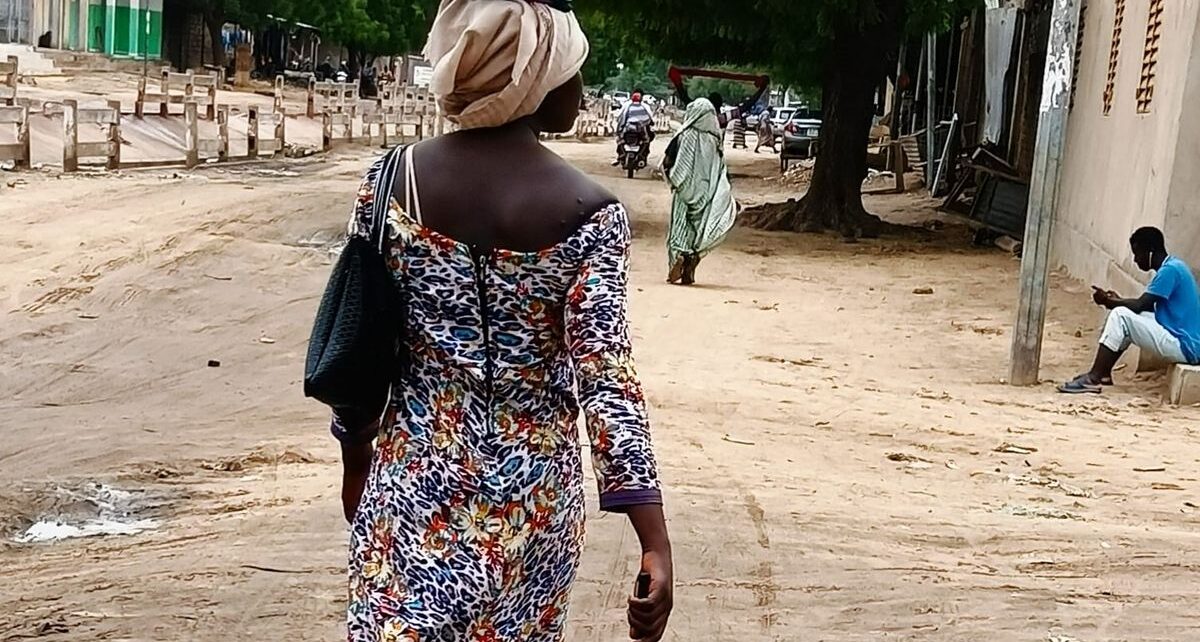
From textbooks to street hustle: a student’s battle for education
School holidays in N’Djamena are not always synonymous with relaxation. For many students, it’s an opportunity to step into the real world and secure their future. Among them is Léa, a bright high school student from the Kilwiti neighborhood, who has chosen to sell cassava during her break. With a basin balanced on her head, she navigates the bustling streets of Chad’s capital, offering her goods to passersby.
« My mother and I live in Kilwiti. I’m selling cassava to earn money for the next school year, » she shares. Her determination reflects a growing trend among young people in N’Djamena, who are turning to entrepreneurship to fund their education amid economic hardship.
Cassava prices fluctuate between 50 FCFA and 500 FCFA per portion, depending on the quantity. Léa isn’t alone—many young girls in her neighborhood have adopted similar side hustles. Yet, the venture comes with challenges. « Cassava is expensive now. Some customers argue that our prices are too high, not realizing we buy the product at wholesale rates, » she explains. « We can’t sell at a loss. » Still, she finds encouragement from a supportive clientele who understands the financial pressures weighing on local families.
Poverty’s grip on Chad’s youth
Chad’s economic landscape remains harsh, especially for its youngest citizens. Recent reports highlight that nearly 45% of the population lives below the national poverty line. Extreme poverty is even more alarming, with over a third of Tchadians surviving on less than $2.15 per day. These stark figures paint a grim picture of the country’s development challenges, particularly in education and youth employment.
The World Bank ranks Chad among the nations with the lowest human capital indexes, signaling limited opportunities for young people to thrive. In this context, Léa’s initiative is more than a temporary income source—it’s a statement of resilience. By balancing schoolwork with street commerce, she’s not only funding her education but also learning the value of hard work and financial independence.
Her story underscores a broader shift in mindset among Chad’s youth. Faced with an unstable job market and the limitations of formal education in securing stable careers, many are embracing self-reliance. These young entrepreneurs are acquiring practical business skills early, preparing them for a future where adaptability is key to survival.
As the sun sets over N’Djamena, Léa’s journey reflects the quiet determination of a generation navigating poverty with creativity and courage. For her and countless others, education isn’t just about textbooks—it’s about survival, opportunity, and the relentless pursuit of a better life.