
The recent catastrophic collapse at the Zamboï mine in the Central African Republic has sent ripples across the region, casting a harsh light on the persistent issues plaguing the gold sector, particularly in neighboring Cameroon. This tragic event serves as a stark reminder of the inherent dangers and often unregulated practices prevalent in artisanal and small-scale gold mining operations.
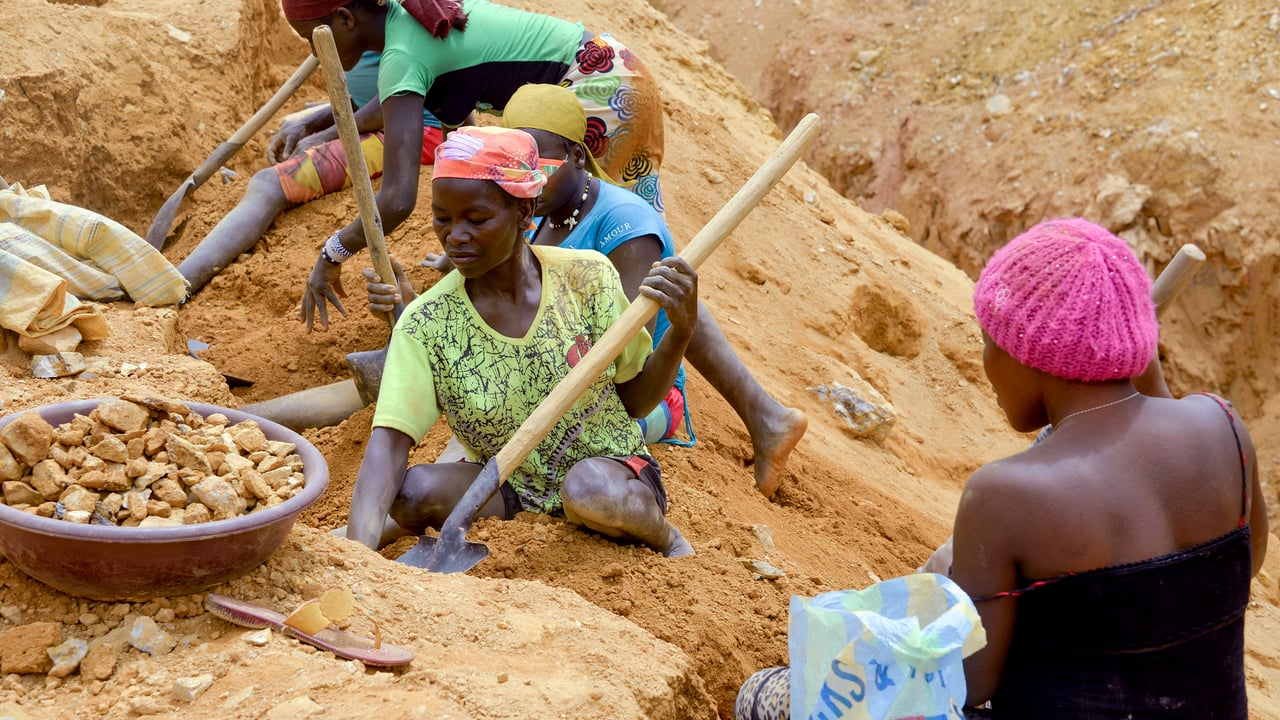
While the Zamboï incident occurred in the Central African Republic, its implications resonate deeply with the challenges faced by Cameroon’s gold sector. The informal nature of much of the gold extraction in the area, exemplified by scenes of gold panners diligently working the earth at sites like Bétaré-Oya in Cameroon, underscores a broader regional problem. These operations, crucial for local livelihoods, frequently operate outside robust regulatory frameworks, leading to significant safety hazards, environmental degradation, and economic exploitation.
The ‘excesses’ within the gold sector, as highlighted by such disasters, encompass a range of issues from inadequate safety protocols and lack of proper equipment to illicit trafficking and environmental damage. The absence of stringent oversight allows for dangerous conditions to persist, putting countless lives at risk. Addressing these systemic failures requires a concerted effort to formalize the sector, enhance safety standards, and ensure responsible mining practices across the region, thereby safeguarding both human lives and the environment.