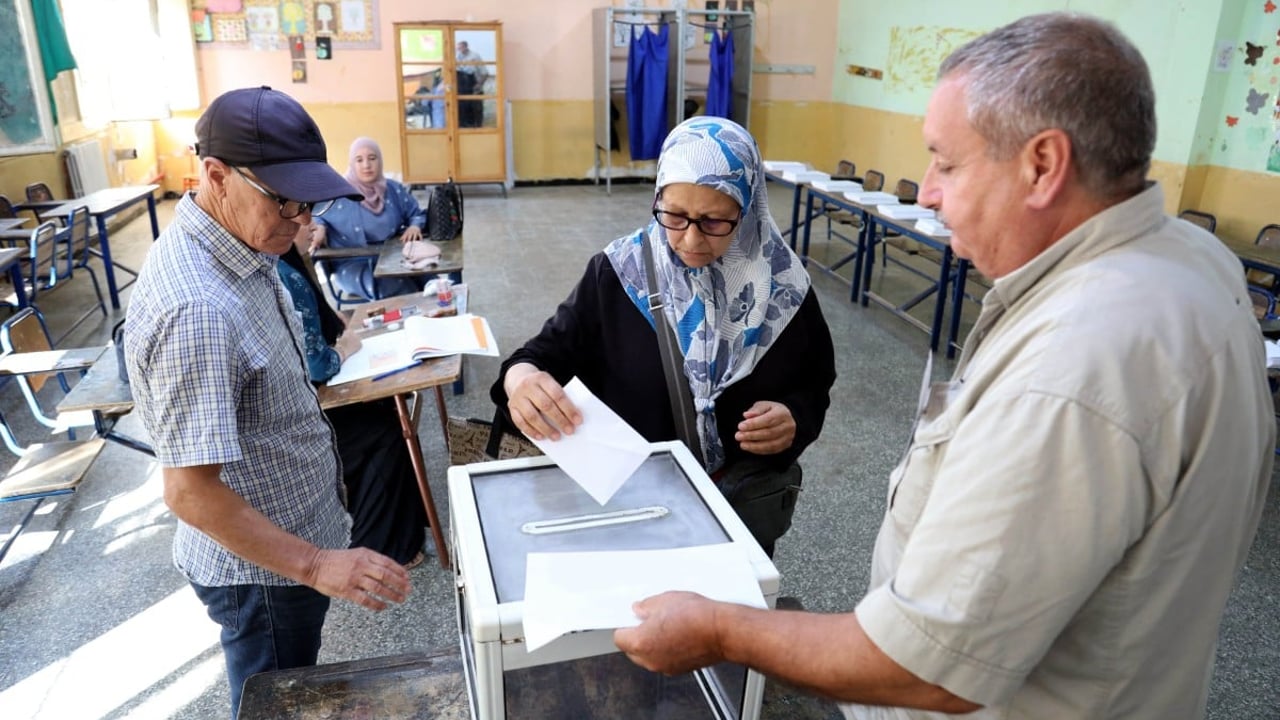
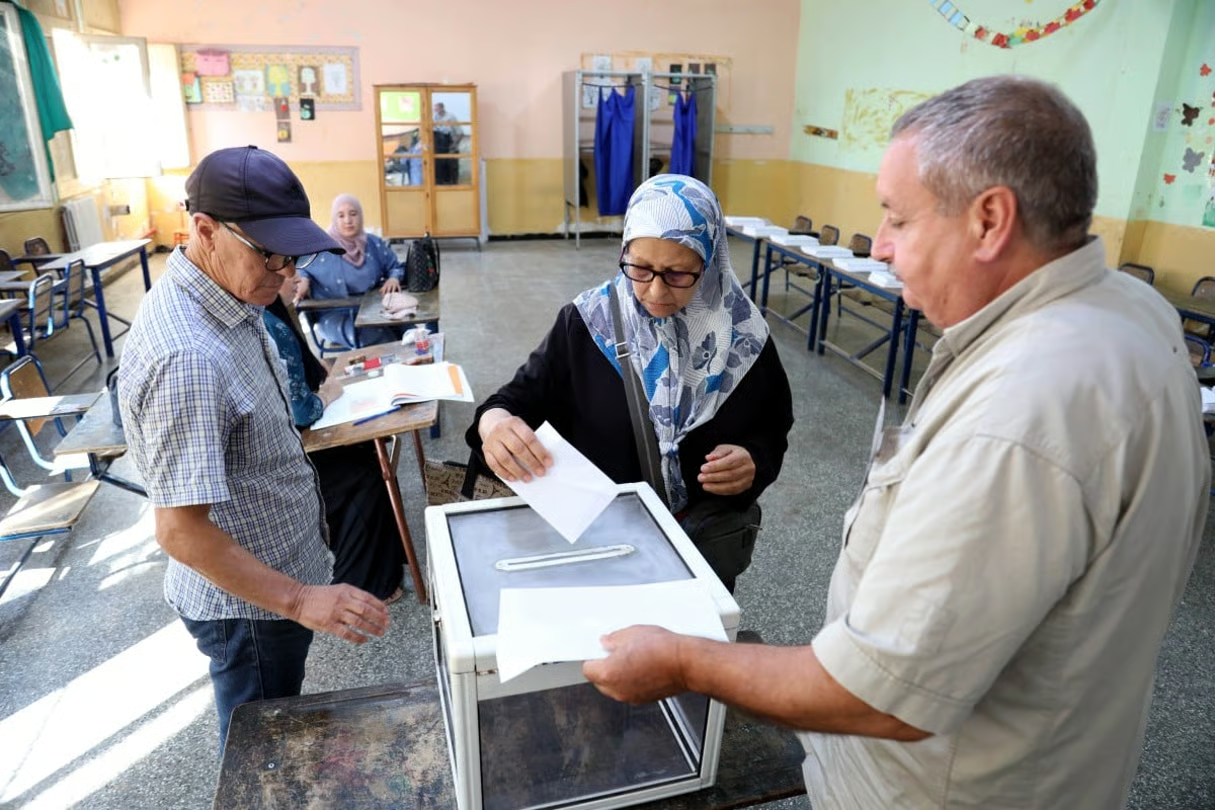
Algerians headed to the polls on July 2, 2026, for parliamentary elections that delivered a historic voter turnout of just 20.79%. This figure marks the lowest participation rate ever recorded in Algeria’s legislative contests, underscoring deepening public disillusionment with the political process.
The provisional results, announced shortly after polls closed, revealed a stark contrast between official turnout numbers and the visible lack of enthusiasm among citizens. Long queues and energetic campaign rallies that typically characterize election day were notably absent this time around. Analysts point to widespread skepticism about the elections’ fairness and the meaningful impact of legislative changes as key factors behind the record-low figures.
Government officials emphasized the technical accuracy of the turnout calculations while acknowledging the challenges in mobilizing voters. Independent observers, however, highlighted discrepancies in some regions where reported participation rates appeared artificially inflated compared to ground realities.
Key factors behind the historic low turnout
- Distrust in the electoral system: Many Algerians expressed frustration with what they perceive as a controlled political environment where genuine competition is limited. Opposition voices continue to face restrictions, further eroding confidence in the process.
- Political apathy: A growing segment of the population, particularly among youth, has disengaged from formal politics entirely, viewing elections as irrelevant to their daily struggles. Economic hardships and social issues have taken precedence over institutional participation.
- Media narratives: Coverage of the elections focused heavily on procedural aspects while downplaying substantive debates. This approach may have contributed to the perception that these elections would yield little real change.
As Algeria navigates this moment of electoral disengagement, the government faces mounting pressure to address underlying issues of governance and representation. The low turnout serves as a stark reminder of the widening gap between institutions and the citizens they aim to serve.