Over the past two months, Algiers has executed a deliberate about-face in its diplomatic posture toward the Sahel, particularly Mali and Niger. After a period of strained relations marked by severed ties and closed airspace, Algeria has reinstated ambassadors and reopened crucial communication channels, signaling a clear intent to reclaim its regional standing. This pivot coincides with heightened competition from Morocco, whose expanding economic and political footprint in the Sahel threatens to overshadow Algeria’s historical influence.
Rebuilding ties with Bamako: a diplomatic reset
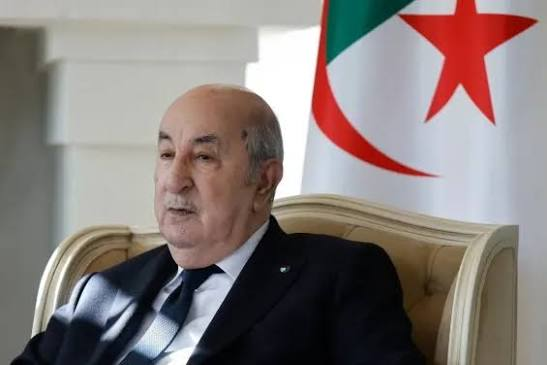
Fifteen months of frosty relations between Algiers and Bamako came to an abrupt end on July 10, when both nations simultaneously reinstated their ambassadors and restored mutual airspace access. The rapprochement gained further momentum when Malian Prime Minister Abdoulaye Maïga described a “complete convergence of views” with Algerian President Abdelmadjid Tebboune, emphasizing shared principles such as “respect for state sovereignty and non-interference in internal affairs.”
This normalization extends beyond symbolic gestures. Algeria’s re-engagement with Mali addresses a critical gap in its regional strategy, as Bamako serves as the political nucleus of the Alliance of Sahel States (AES). The rupture in 2024—triggered by Mali’s denunciation of the 2015 peace accord and escalating tensions over a drone incident—had exposed Algeria’s diminished leverage. The July détente now positions Algiers to re-enter discussions on Sahel security and governance, with Niamey playing a facilitating role in the process.
Niamey as Algeria’s strategic outpost
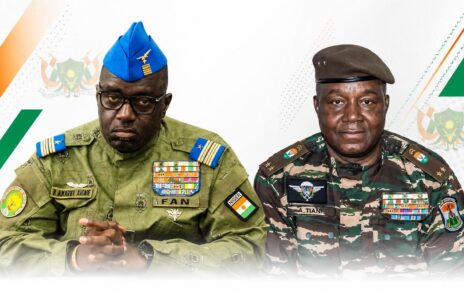
Algeria’s outreach to Niger has been even more substantive, blending military cooperation with economic revival. On August 9, Algiers delivered four helicopters to Niger’s armed forces—two Mi-24V combat units and two Mi-171 transport aircraft—alongside maintenance equipment and ammunition. This defense assistance was swiftly followed by an Algerian prime ministerial visit to Niamey, where groundbreaking ceremonies for the Kafra Sud-Est 1 oil exploration well took place. Concurrently, Sonatrach and Niger’s Société nigérienne des produits pétroliers (Sonidep) initiated their first joint crude oil marketing operation.
These initiatives underscore Algeria’s multi-pronged approach: securing military partnerships, reviving hydrocarbon projects, and strengthening economic interdependence. For a landlocked Algeria, Niger’s geographic proximity and strategic resources make it a linchpin for reasserting influence across the Sahel.
Sahel power play: Algeria vs. Morocco
The current scramble for influence in the Sahel reflects a broader regional realignment. The AES—comprising Mali, Niger, and Burkina Faso—has distanced itself from Western partners, deepened ties with Moscow, and forged new diplomatic, economic, and military frameworks independent of traditional allies. This shift creates both a challenge and an opportunity for Algiers.
The true catalyst for Algeria’s renewed engagement is Morocco’s aggressive expansion. Rabat has leveraged a combination of political diplomacy, religious outreach, infrastructure investments, and Atlantic-facing initiatives to embed itself in the Sahel. Analysts note that while Algeria boasts formidable military strength and energy revenue, these assets have not translated into commensurate political influence. Meanwhile, Morocco has cultivated enduring economic dependencies through banking, telecommunications, and agricultural sectors.
The rivalry’s stakes are high. Morocco’s growing alignment with AES capitals—including Mali’s April recognition of the Moroccan autonomy plan for Western Sahara—has directly undermined Algeria’s diplomatic standing. For Algiers, the imperative is no longer expansion but damage control: preventing Rabat from capitalizing on Algeria’s past missteps.
Fragile gains and persistent hurdles
Algeria’s current strategy is fundamentally reactive, driven by the need to recover lost ground rather than pioneer new initiatives. The restoration of relations with Bamako and the deepening partnership with Niamey represent tactical victories, but their durability remains uncertain. Burkina Faso, the third AES member, has yet to witness a comparable level of engagement from Algiers.
Moreover, the structural imbalance persists. Morocco’s head start in diversifying its Sahel presence—spanning energy, logistics, and soft power—means Algeria must play catch-up on multiple fronts. While Algiers deploys military aid, hydrocarbon projects, and infrastructure investments, these efforts are often framed as countermeasures to Moroccan advances rather than standalone value propositions for Sahelian partners.
The path forward demands more than symbolic diplomacy. To sustain influence, Algeria must transcend its fixation on rival gains and articulate a compelling, self-driven vision for the Sahel—one that transcends the shadow of Morocco’s inroads.