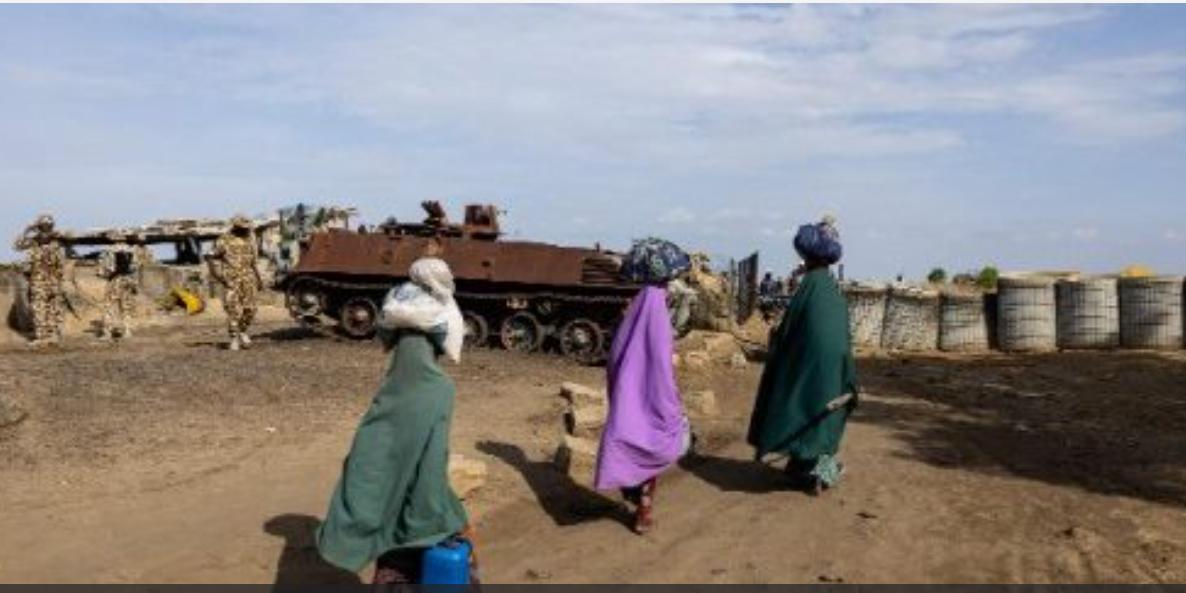
Behind the surge of mass kidnappings in Nigeria’s north
The recent wave of mass kidnappings in Nigeria’s north is not merely a security crisis — it is a symptom of a deeper, more complex system. In less than 48 hours, armed gangs abducted at least 87 people, primarily women, across two states, exposing the hidden mechanisms that sustain violence in the region. This surge highlights how local economies, communal tensions, and weak enforcement are feeding into what has become a self-replenishing criminal network.
Two raids, one strategy: how coordinated attacks unfolded
On Saturday, heavily armed assailants on some 50 motorcycles stormed a farming settlement near Mariga in Niger State. Unarmed farmers—many of them women—were seized during the midday harvest of groundnuts. Initial reports placed the toll at 47, though local sources suggest the true number could be higher. According to accounts from residents, the abductors withdrew into the dense Ma’undu forest, a known hideout for criminal groups.
The following day, another coordinated attack hit Zamfara. In the Yargada community near Gusau, witnesses reported that over 40 women were forcibly taken from their homes. Nearby villages including Maikogo and Magama Mairake were also struck, with homes and vehicles set ablaze. While official figures list 40, interviews with locals indicate that at least 50 women and children may have been abducted — a discrepancy that underscores the difficulty of verifying events in remote, high-risk zones.
So far, no ransom demands have been issued, leaving families in limbo as they await news of their loved ones — if they receive any at all.
From cattle theft to kidnapping-for-profit: the transformation of banditry
These attacks are not isolated acts of violence. They are part of a long-evolving banditry economy that began with cattle rustling and village raids, but has now shifted toward systematic kidnapping for ransom. Unlike jihadist groups such as Boko Haram or ISWAP, these gangs operate more like organized criminal syndicates, exploiting porous borders and the Nigerian state’s limited reach in rural regions.
In Zamfara, local talk points to retaliation dynamics. Some residents allege the Sunday raids followed the killing of several bandit leaders by local militia forces. While unverified, such claims suggest an escalation cycle where crackdowns in one area prompt retaliatory strikes elsewhere — perpetuating instability.
The business of terror: how kidnappings fund armed groups
What started as opportunistic violence has evolved into a structured revenue stream. Between July 2025 and June 2026 alone, an estimated ₦7.78 billion (approximately $5.8 million) in ransom payments changed hands across Nigeria, according to independent intelligence sources. This represents a threefold increase from the previous 12-month period — a figure that illustrates how kidnapping has become a low-risk, high-reward enterprise.
Over the same year, at least 7,825 people were kidnapped — a 66% rise from the prior period. The victims are no longer just livestock herders or traders. Schools, entire villages, and ordinary families have been targeted. In May 2026, more than 80 children vanished in coordinated attacks on schools in Borno and Oyo States, a sobering reminder that no demographic is safe.
Government response: tactics vs. the bandit resurgence
Faced with this escalating threat, Nigeria’s federal government has escalated military operations across multiple fronts. In the northeast, Operation Hadin Kai continues to target Boko Haram and ISWAP. In the northwest, Operation FANSAN YAMMA has been expanded with the sole focus of dismantling the kidnapping networks in Zamfara, Katsina, Kaduna, and Sokoto.
From July to August 2026, defense headquarters reported over 7,000 operations nationwide, neutralizing 1,487 terrorists, arresting 354 suspects, and freeing 777 hostages. Nearly a thousand firearms were recovered. Earlier in September, troops rescued 14 people in Kaduna and Katsina, further claiming to disrupt terror financing and weapons trafficking networks. Yet despite these gains, the return of mass kidnappings shows that the battle is far from won.
Why enforcement alone cannot end the kidnapping crisis
The military’s efforts have yielded arrests and rescues — but not systemic security. Just weeks before the latest raids, communities in Niger State staged protests demanding the release of up to 700 people reportedly held by bandits. Authorities neither confirmed nor denied the number, highlighting a chronic data gap.
The real challenge lies in the rural terrain: vast, forested, and difficult to patrol. These zones serve as both refuge and launching pad for abductors. To break the cycle, security forces must do more than conduct raids. They must dismantle the financial pipelines that fund arms purchases, sustain ransom economies, and allow criminal networks to regenerate. Without cutting off these support systems, operations amount to momentary disruptions — not lasting solutions.
Survival in the shadows: daily life under threat
For rural Nigerians, fear is woven into daily life. Walking to a farm, sending children to school, or traveling between villages can mean risking abduction. The latest wave of kidnappings is not just tragic news — it is evidence that the banditry economy remains resilient. Until enforcement is paired with intelligence-driven community protection, economic disruption, and sustainable governance, the cycle will persist.
The 87 people taken in just two days are a grim reminder: in northern Nigeria, security is not just under strain — it is being undermined by a system that profits from its absence.