Diplomatic Groundwork: Why Dakar and Baku are Formalizing Ties
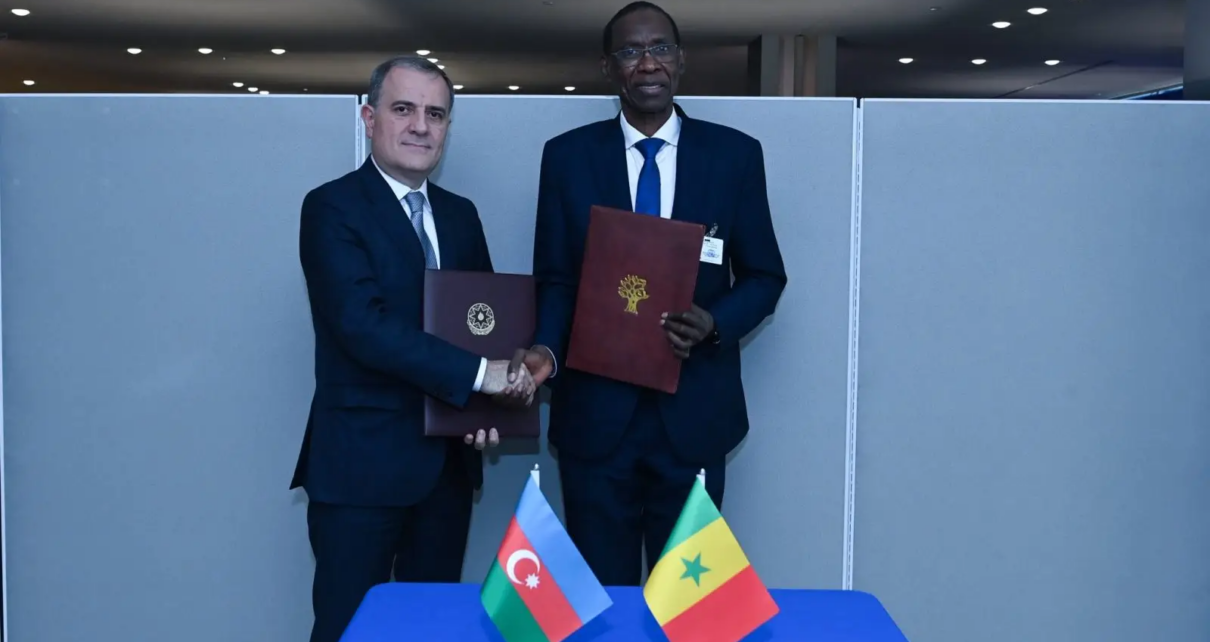
In a strategic move during the high-level segment of the 81st United Nations General Assembly in New York, Senegal and Azerbaijan signed a memorandum of understanding (MoU) to establish regular political consultations. The agreement, announced by Senegal’s Ministry of African Integration, Foreign Affairs, and Senegalese Abroad, signals a deliberate effort to move beyond ad-hoc exchanges and create a structured framework for bilateral dialogue. This development reflects how international summits serve as catalysts for bilateral agreements that might otherwise require dedicated diplomatic missions.
The MoU’s primary objective is to institutionalize communication between the two governments, enabling joint assessments of cooperation progress and shared priorities. While specifics remain undisclosed, such frameworks typically lay the foundation for discussions spanning economic collaboration, technical cooperation, and multilateral engagement.
From Symbolic to Structured: The Mechanics of Bilateral Diplomacy
Setting the Stage: What We Know So Far
The announcement provided limited operational details. Key questions remain unanswered, including the consultation schedule, implementation timeline, and thematic focus areas. These specifics are likely to be addressed in subsequent official statements from both governments, as is standard practice for such agreements.
The Role of UN High-Level Week in Diplomatic Deal-Making
Diplomatic observers highlight the UN General Assembly’s high-level week as a prime opportunity for nations to advance bilateral agendas. The multilateral backdrop creates an environment where leaders can finalize agreements without the logistical constraints of standalone summits. This mechanism not only saves time and resources but also allows countries to navigate complex geopolitical dynamics through parallel negotiations.
The Bigger Picture: Senegal’s Strategic Reorientation
A Diversified Diplomatic Portfolio
The MoU with Azerbaijan aligns with Senegal’s ongoing strategy to strengthen ties beyond its traditional partners in Africa and Western Europe. In recent years, Dakar has actively pursued partnerships with countries in Asia and Eastern Europe, reflecting a broader effort to diversify its diplomatic and economic alliances. This approach enhances Senegal’s global positioning while opening new avenues for trade, investment, and technical collaboration.
What’s Next? Anticipating the Consultation Framework
While the MoU marks a significant step, the real test lies in its execution. The success of this framework will depend on the willingness of both governments to engage consistently, address shared challenges, and translate policy discussions into tangible outcomes. Observers will closely monitor the first round of consultations to assess the depth of cooperation and identify potential areas for collaboration.
Decoding the Motivations: Why Now?
Economic and Geopolitical Considerations
For Azerbaijan, the agreement presents an opportunity to strengthen its international footprint, particularly in Africa, where its engagements have been increasing. For Senegal, the partnership offers access to new markets, technological expertise, and potential investments in infrastructure and energy sectors. Analysts suggest that both countries see value in formalizing a relationship that could yield long-term benefits in trade, security, and multilateral voting patterns.
The Symbolism of a Structured Alliance
The mere act of institutionalizing consultations carries weight in international relations. It demonstrates mutual commitment to a sustained partnership and sends a signal to other nations about the seriousness of the bilateral relationship. This symbolic gesture often precedes deeper collaboration, setting the stage for future agreements and initiatives.