Porto-Novo hosts historic senate inauguration, marking a new chapter in Beninese governance
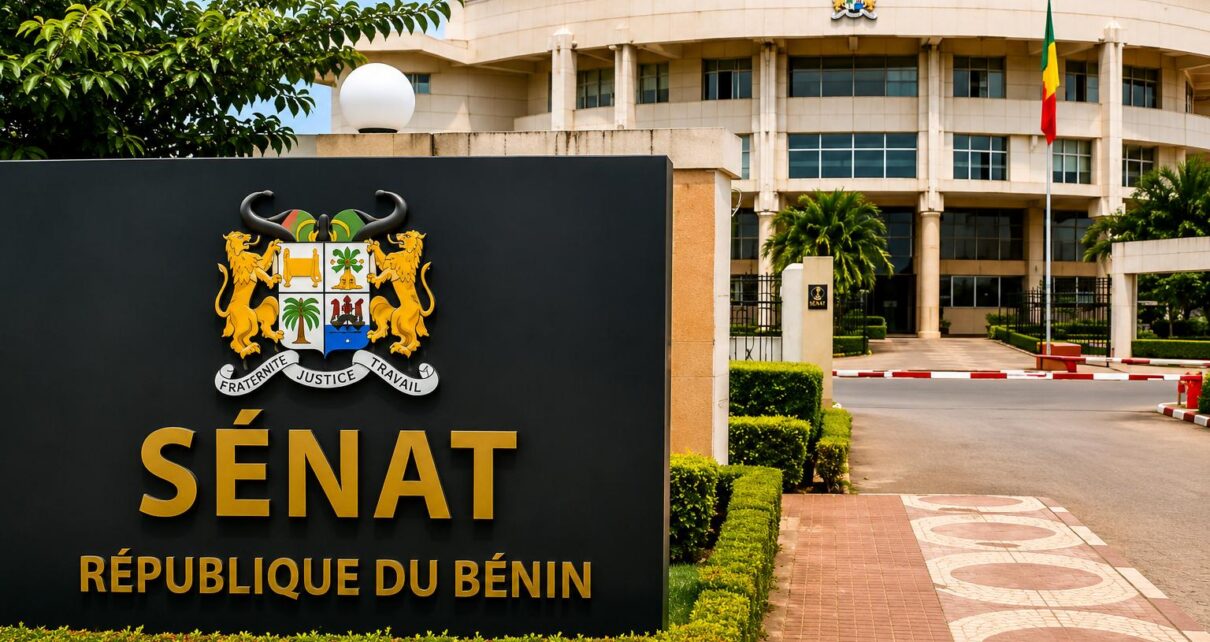
The historic Palais des Gouverneurs in Porto-Novo has become the stage for a landmark event in Benin‘s political evolution. The inauguration of the Senate signals the definitive end of the country’s unicameral legislative system, ushering in a new era of bicameral governance.
Rooted in the 2025 constitutional reform, this structural shift reconfigures the legislative landscape, introducing a second chamber designed to refine and balance state power.
The senate’s mandate: a guardian of stability and legislative precision
The newly established Senate serves as a deliberative body, entrusted with critical responsibilities to strengthen national cohesion and governance:
- National regulation: The chamber plays a key role in addressing matters of public security, national unity, and safeguarding democratic achievements.
- Legislative oversight: Acting as a review mechanism, the Senate participates in the legislative process through a dual-reading system. It can demand revisions of bills—except budgetary laws, which remain under the exclusive authority of the National Assembly.
- Institutional advisory role: The Senate provides expert opinions on major institutional reforms and key state appointments, ensuring informed decision-making at the highest level.
Operational framework: sessions, commissions, and legislative harmony
The Senate operates under a structured constitutional framework designed to ensure efficiency and accountability:
- Parliamentary sessions: Like the National Assembly, the Senate convenes in regular sessions and may be summoned for extraordinary sittings to address urgent national matters.
- Committee-driven scrutiny: Proposed laws undergo thorough examination in specialized thematic committees before reaching the floor for debate and voting.
- Legislative reconciliation: In cases of disagreement between chambers, the Senate reviews, amends, or rejects bills. If consensus fails, the National Assembly holds final decision-making power to maintain legislative momentum.
A carefully curated senate: blending political experience and institutional legacy
The Senate’s composition reflects a blend of political leadership and institutional continuity, totaling 25 members:
- Presidential appointees: President Romuald Wadagni selected 10 prominent figures, including Pascal Irénée Koupaki, Emmanuel Tiando, Alassane Seidou, Fortunet Alain Nouatin, and Paul Hounkpè.
- Assembly-appointed members: The President of the National Assembly, Joseph Djogbénou, designated 4 additional senators, such as Adidjatou Mathys, Sacca Lafia, and Charles Toko.
- Ex-officio members: Former heads of state, constitutional authorities, and former National Assembly presidents automatically join the Senate, bringing decades of institutional wisdom.
Debates and expectations: a chamber under scrutiny
While supporters view the bicameral system as a safeguard against political instability, skepticism lingers across political circles and public opinion.
Debates center on the Senate’s effective independence, given that a significant portion of its members are appointed by the executive branch. Critics also question the financial sustainability of a two-chamber parliament, citing potential cost burdens on the state.
Supporters counter that the Senate’s defined roles—regulatory oversight, legislative refinement, and institutional advisory functions—justify its existence and address these concerns directly.
The inauguration of the Senate sets the stage for a new chapter in Benin‘s governance. Its ability to balance power, moderate policy, and strengthen national cohesion will determine whether it evolves into a robust counterbalance or remains a procedural chamber.
What’s next for Benin’s bicameral system?
The coming months will reveal how the Senate establishes its presence within the political ecosystem. Will it emerge as a stabilizing force, ensuring legislative rigor and national unity? Or will it be perceived as an extension of executive influence? The answers lie in its actions—and the nation’s response.