Boko Haram frees over 400 captives in Nigeria’s Borno state

More than 400 individuals, previously abducted by the jihadist group Boko Haram, have regained their freedom in Nigeria’s northeastern Borno State. Their release, which occurred earlier this year in a village within the region, was confirmed by both a local senator and a youth official on Sunday, marking a significant development in the ongoing security challenges facing this West Africa insider news hotspot.
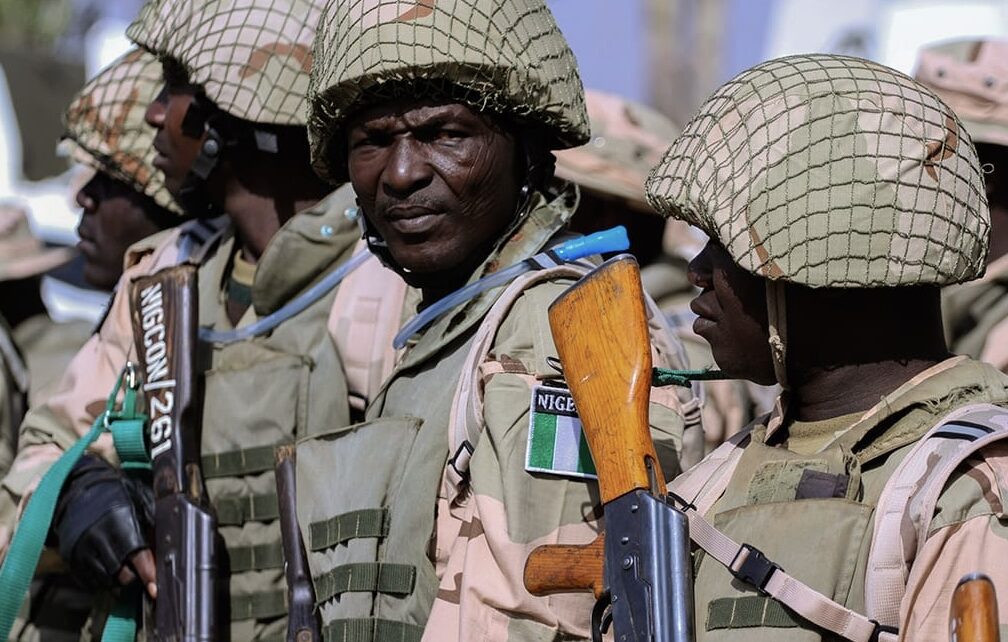
Since 2009, a relentless jihadist insurgency, primarily spearheaded by Boko Haram and later by its rival, the Islamic State West Africa Province (ISWAP), has devastated Nigeria’s most populous nation. This protracted conflict has resulted in tens of thousands of fatalities and displaced millions across the northeast. Mass abductions, frequently followed by ransom negotiations, remain a common tactic employed by these extremist groups. Samaila Kaigama, president of the Borno South Youth Alliance (BOSYA), a local youth organization, stated that his group facilitated the release of 416 women and children, who were originally seized from Ngoshe. “They were set free on Saturday,” Kaigama informed journalists. Senator Mohammed Ali Ndume, representing Borno State, independently verified the liberation.
Authorities refute ransom payments
The village of Ngoshe, situated less than 10 kilometers from the Cameroonian border within the Gwoza hills, serves as a known stronghold for Boko Haram and has endured numerous assaults from Islamist fighters. Immediate details concerning the conditions of the recent release were not available. Senator Ndume indicated that he was unaware of the specific circumstances surrounding the liberation. BOSYA, the youth organization that established communication channels between the captors and the affected families, also refrained from disclosing further details.
While Nigerian authorities consistently deny making ransom payments, analysts contend that this practice is prevalent, involving both government entities and the families of victims. A report by SBM Intelligence, a Lagos-based consultancy, revealed that approximately $1.66 million was paid in ransoms between July 2024 and June 2025. These payments were made to various armed factions across Nigeria, including jihadist groups, criminal “bandits,” and separatist movements, highlighting the complex security landscape.