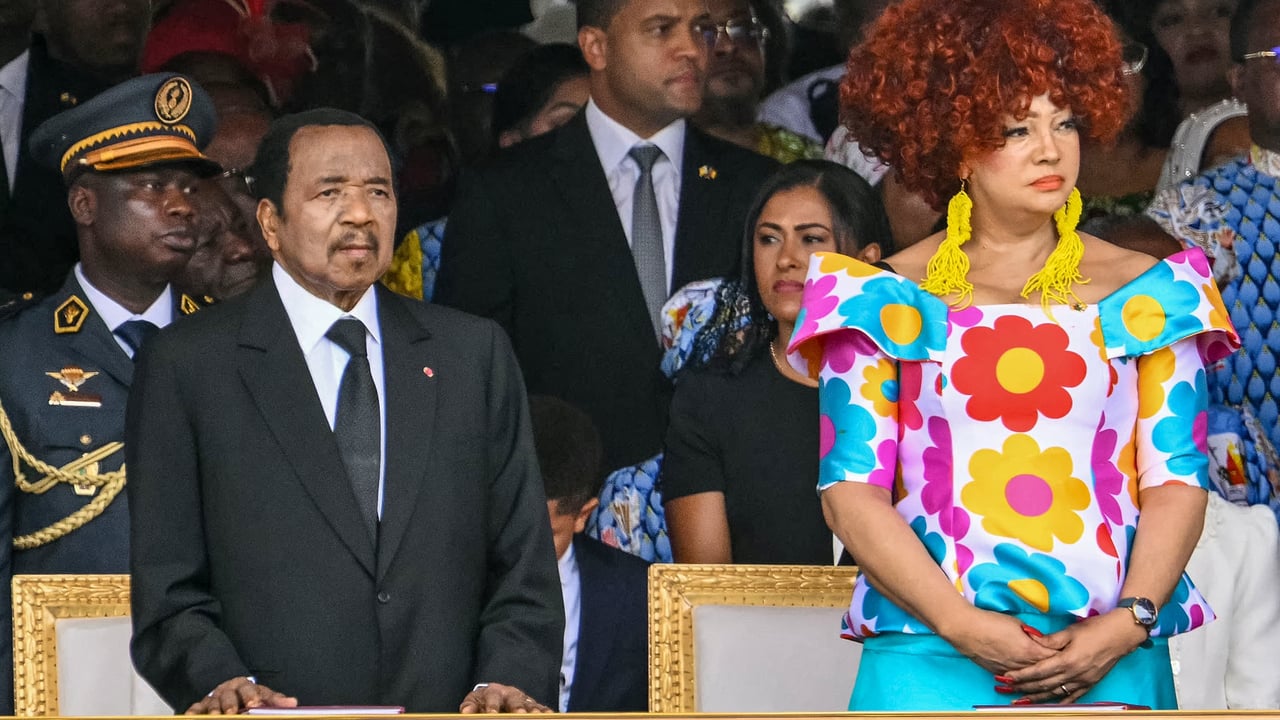

President Paul Biya of Cameroon has just wrapped up an unusually extended visit to Switzerland, a trip that has sparked fresh waves of speculation about his health and the future of his decades-long rule. The President, who has governed the country since 1982, returned home after spending an unprecedented duration abroad, raising questions among observers and citizens alike.
The prolonged absence comes at a time when Africa’s second oldest leader faces mounting scrutiny over his ability to continue leading the Central African nation. His recent Swiss retreat—far longer than any of his previous trips—has intensified discussions about the stability of Cameroon’s political landscape and the potential implications for governance.
An unprecedented absence and its implications
The President’s extended stay in Switzerland, where he is believed to be receiving medical attention, has drawn attention not only for its length but also for the timing. With Cameroon grappling with economic challenges, security threats in the Anglophone regions, and rising public expectations, the timing of this trip could not be more consequential.
While official statements have remained vague regarding the purpose of the visit, the sheer duration of his stay has become a focal point of national conversation. Political analysts suggest that the extended absence may reflect deeper concerns about his health, though authorities have not addressed these rumors directly.
A presidency shrouded in secrecy
President Biya’s administration has long been characterized by a culture of discretion, particularly when it comes to matters of state and personal health. This latest trip follows a pattern of limited public disclosure, leaving many to wonder about the true state of his well-being and the implications for the country’s leadership.
The absence of detailed updates from the Presidency has only fueled speculation, with critics pointing to a lack of transparency as a growing concern. In a nation where power has remained concentrated in the hands of a single leader for over forty years, questions about succession and governance are inevitable.
The first family’s role in shaping perceptions
The presence of First Lady Chantal Biya at key public events during her husband’s absence has done little to quell the rumors. Her visible role in representing the Presidency at high-profile gatherings, including a recent papal visit, has become a subject of intense debate among Cameroonians.
While some view her involvement as a sign of stability, others interpret it as an attempt to project normalcy amid uncertainty. The first family’s public appearances have become a barometer for measuring the state of the presidency, adding another layer of complexity to the ongoing discourse.
What lies ahead for Cameroon?
As President Biya’s return nears, the nation remains on edge, awaiting clarity on his condition and the broader implications for Cameroon’s future. The extended Swiss retreat has not only tested public patience but also underscored the fragility of a political system built around one leader’s prolonged tenure.
With no clear successor in sight and governance structures deeply intertwined with the presidency, the coming weeks will be critical in determining whether Cameroon can navigate this period of uncertainty without further destabilization.
- Health rumors persist: The President’s prolonged stay in Switzerland has intensified speculation about his health, despite a lack of official confirmation.
- Political stability in question: The timing of his absence coincides with pressing national challenges, raising concerns about governance continuity.
- First Lady’s role scrutinized: Chantal Biya’s public engagements during her husband’s absence have become a focal point in public discussions.