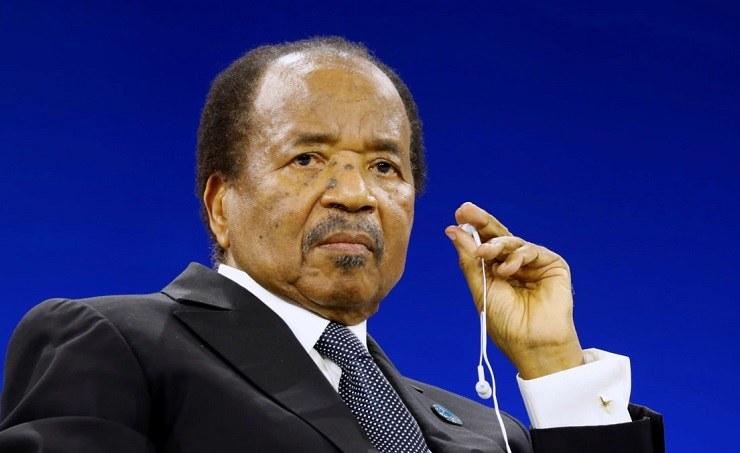
The prolonged absence of President Paul Biya from Cameroon has triggered widespread speculation about his health and the stability of the country’s institutions. At 93 years old, the head of state has not been seen in public since departing nearly two months ago, fueling concerns over his condition and the potential for a power vacuum.
Government dismisses rumors while opposition demands transparency
In a rare public statement, Minister of Communication and government spokesperson René Emmanuel Sadi confirmed on August 2, 2026 that President Biya would soon return to Cameroon. However, no further details were provided regarding his current whereabouts or health status. “The president is alive,” Sadi asserted, emphatically rejecting claims of a leadership void. His remarks were a direct response to mounting criticism from opposition figures who accuse the administration of concealing vital information.
Opposition warns of institutional collapse
Leading opposition voices, including Jean-Michel Nintcheu of the Union Démocratique du Cameroun (UDC), have called for constitutional authorities to intervene. They argue that prolonged silence on the president’s status risks destabilizing the nation, insisting that the absence of clear communication creates dangerous ambiguity. Nintcheu has urged the Constitutional Council to formally acknowledge a power vacuum, asserting that governance cannot rely on conjecture or secrecy.
Constitutional provisions in case of vacancy
The Cameroonian Constitution outlines strict procedures for handling a presidential vacancy. Under Article 6, paragraph 4, if the president is permanently incapacitated, dies, or resigns, the Constitutional Council must confirm the vacancy, triggering a presidential election within 20 to 120 days. During this interim period, Senate President Aboubakary Abdoulaye—currently 64 years old—would assume presidential duties. If he is unable to serve, the role would fall to his deputy, First Vice President Naomie Mikel Bégala Akono, aged 63. The interim leader is constitutionally barred from altering the constitution, reshuffling the government, calling a referendum, or running in the subsequent election.
The government maintains that President Biya remains in control despite his absence, yet skepticism persists among the public and political opponents. As debates over transparency and institutional integrity intensify, the nation watches closely for further developments.