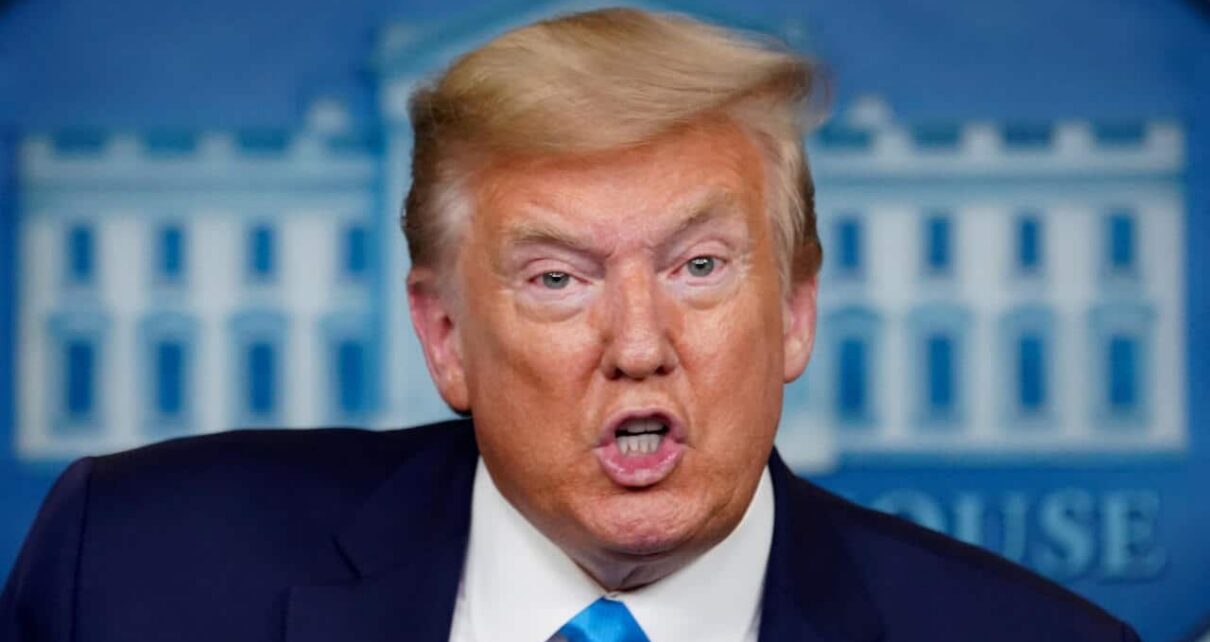
Since his first term, Donald Trump has systematically reshaped US policy to counter China, which he views as the primary threat to American global dominance.
How Cameroon became a key player in Trump’s rare earth strategy
The Trump administration has made reducing US reliance on Chinese rare earth minerals a cornerstone of its economic policy. At the forefront of this initiative is GreenMet, a company led by Drew Horn, a former Trump national security advisor. Horn’s recent visit to Yaoundé, though low-profile, marked a pivotal moment in US-Cameroon economic relations.
GreenMet’s leadership team includes several former Trump administration officials, including George Sorial (former Trump legal advisor) and Keith Schiller (ex-director of security for the Trump Organization). This team is pushing for critical mineral deals in Cameroon, particularly targeting nickel and cobalt at the Nkamouna project through American Renaissance Minerals (ARM), a GreenMet affiliate.
Washington’s strategic interest extends beyond metals. Rare earth minerals have become a focal point in the US-China rivalry, with Cameroon emerging as a potential alternative to Chinese-controlled supply chains in the Democratic Republic of Congo. Unlike Beijing, which maintains a strong presence in African mineral sectors, the US is prioritizing transparent governance and sustainable extraction practices.
US-Cameroon ties strengthen despite AGOA restrictions
Despite Congress blocking Cameroon’s eligibility for the African Growth and Opportunity Act (AGOA), the Trump administration has bypassed this restriction by leveraging the US Chamber of Commerce in Cameroon (AmCham) to broker trade agreements. This move signals a shift toward direct bilateral negotiations over multilateral frameworks.
US intelligence agencies have reportedly intervened following reports from the Extractive Industries Transparency Initiative (ITIE) about illicit gold trafficking. Washington is now collaborating with Yaoundé to crack down on these illegal networks, further solidifying its influence in Cameroon’s extractive industries.
The US has also tightened visa policies for African countries, reducing the number of nations eligible for American visas from 50 to 20. Cameroon remains on the approved list, reflecting its growing strategic importance. Security cooperation has intensified as well, with US Africa Command (AFRICOM) leaders making high-profile visits to President Paul Biya in Yaoundé—General Dagvin Anderson in September 2025 and Lieutenant-General John William Brennan Jr. in May 2026.
Trump’s vision: turning Cameroon into an African economic model
US Ambassador Christopher Lamora recently emphasized Washington’s commitment to improving Cameroon’s business climate, stating: “I would sincerely like to see more American businesses invest in Cameroon, fostering trade partnerships and joint ventures. This benefits both nations—creating jobs in the US, supporting American industries—a top priority for President Trump—and boosting Cameroon’s economy.”
With China having invested over $700 billion across 49 African countries, Trump’s strategy appears designed to replicate the success of Asia’s “Tiger Economies”—South Korea, Taiwan, Hong Kong, and Singapore—in African nations like Cameroon, Nigeria, and Kenya. The goal is clear: reduce China’s dominance in critical supply chains while positioning the US as Africa’s preferred economic partner.