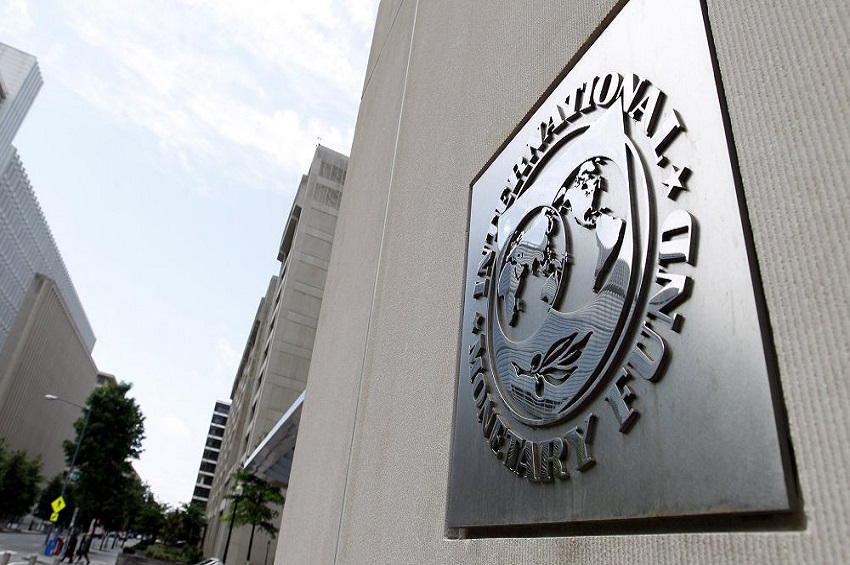
Gabon’s debt audit: a critical step before IMF deal
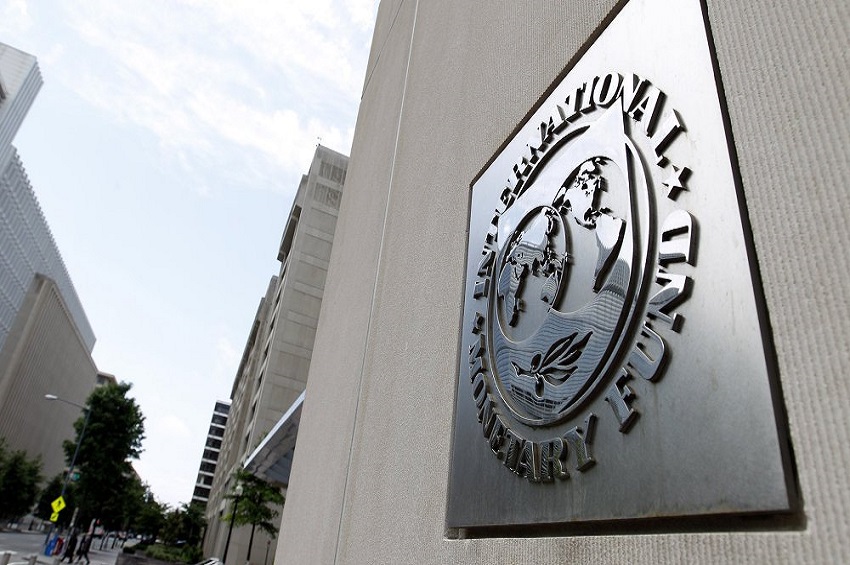
Libreville, June 4, 2026 — For months, economic, diplomatic and financial circles buzzed with anticipation: an agreement between Gabon and the International Monetary Fund (IMF) was supposedly just around the corner.
Yet despite repeated announcements, the long-awaited signature never materialized. In a rare interview, President Brice Clotaire Oligui Nguema finally shed light on the reasons behind this delay — revealing that the matter goes far beyond mere financial negotiations. The fundamental question at stake is whether Gabon truly understands the full extent of its public debt.
The stakes could not be higher. For international investors, credit rating agencies, development partners and financial markets, an IMF agreement represents far more than just access to financing. It serves as a powerful signal of credibility, stability and confidence in the country’s economic trajectory. By confirming that the deal is now expected before the end of 2026, the Head of State has acknowledged progress in the negotiations. More importantly, he has exposed long-standing gaps in governance that have accumulated over decades.
The audit: a prerequisite for trust
The President’s most striking revelation centered on the actual level of Gabon’s debt burden. Earlier assessments during the transition period revealed glaring inconsistencies: one estimate placed the debt at 7.5 trillion CFA francs, while another suggested a figure closer to 8 trillion. Such discrepancies raised serious concerns at the highest levels of government.
In response, President Oligui Nguema has insisted on a comprehensive audit before any formal commitment to the IMF. His stated goal is clear: obtain an accurate picture of the country’s financial reality before signing an agreement that will bind the Gabonese state for years to come.
This push for transparency stands out in African financial negotiations, but it also raises a troubling question: How can a major oil-producing nation struggle to produce a definitive account of its public debt? The answer lies in years of financial mismanagement, characterized by opaque budget practices, off-budget commitments and weak oversight mechanisms that persisted long before the current administration.
In this context, the audit is not merely an option — it is an absolute necessity.
The IMF’s challenge in Gabon
Even the IMF has recognized the need for clarity. According to the Gabonese President, the Washington-based institution has agreed to postpone finalizing the program to allow the audit to proceed. This decision reflects practical reasoning: the IMF itself requires a precise assessment of Gabon’s true financial position before deploying its resources.
The verification process is especially critical because Gabon remains one of the most strategically important economies in the CEMAC region. Its economic weight, vast oil and mineral resources, and central role in regional financial stability make it a linchpin of sub-regional stability. Current discussions now focus as much on budget transparency as on future reforms.
A program with the IMF is never just about funding. It typically entails binding commitments in governance, fiscal management, revenue mobilization and public expenditure control. Each of these areas demands serious attention if Gabon is to restore its financial credibility.
An expected signature, inevitable reforms
The announcement that the agreement could be signed by the end of the year marks an important milestone. Yet it does not signal the end of the journey — far from it.
Observers know that IMF programs often trigger structural reforms with direct consequences for citizens. Expectations include rationalizing public spending, overhauling the tax system, improving revenue collection, reorganizing subsidy policies and modernizing financial administration. President Oligui Nguema has not disclosed specific details about the agreement or the potential funding amount, a prudent stance given that negotiations remain ongoing and decisions have yet to be finalized.
Yet the true challenge now extends beyond financing alone. Gabon is seeking to restore its financial credibility after years of uncertainty. For international partners, the audit demanded by Libreville may represent the first step toward a new era of economic governance rooted in transparency and accountability.
From this perspective, the delayed agreement no longer appears as a setback — it may instead be the necessary price to rebuild lasting trust between the Gabonese state, global financial markets and international institutions. In public finance, trust cannot be decreed. It must be built on the bedrock of truthful, verified data.